The Libyan political landscape has become increasingly complex following the High Council of State's rejection of the 4+4 committee's outcomes. The committee, which was tasked with finding a way forward for the country's electoral process, had proposed several key changes to the electoral laws. The rejection has sparked concerns about the future of the electoral process and the potential for further delays. The international community, including the United Nations, has been closely watching the developments in Libya and has expressed concerns about the potential for further instability.
The 4+4 committee was established to find a way forward for Libya's electoral process, which has been stalled for several years. The committee's proposals included changes to the electoral laws, which were intended to pave the way for elections to be held. However, the High Council of State has rejected the proposals, citing concerns about the impact on the country's stability. The rejection has sparked a heated debate about the future of the electoral process and the potential for further delays.
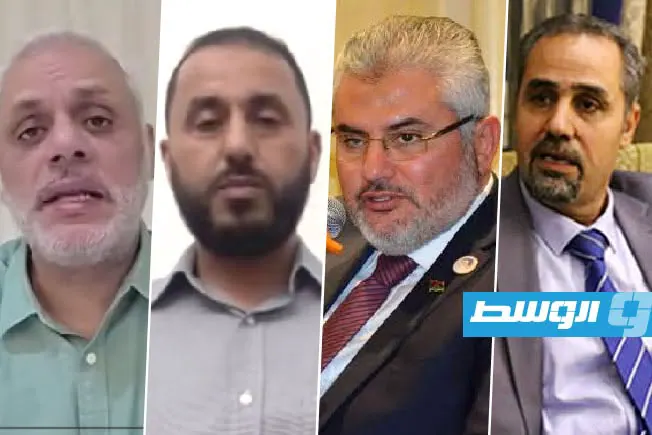
The High Council of State's rejection of the 4+4 committee's outcomes has been met with criticism from some quarters. Sami Al-Said, head of the Democratic Independents Party and chairman of the National Coalition of Libyan Parties, has criticized the proposals, saying that they would have led to the exclusion of political parties and civil society organizations from the electoral process. He argued that the proposals would have undermined the country's democratic transition and led to further instability.
The Libyan electoral process has been stalled for several years, with various attempts to move it forward being met with resistance. The international community has been closely watching the developments in Libya and has expressed concerns about the potential for further instability. The United Nations has been working to support the electoral process, but its efforts have been hindered by the ongoing divisions between the country's rival factions.
The rejection of the 4+4 committee's outcomes has raised concerns about the potential for further delays in the electoral process. The country's rival factions have been unable to agree on a way forward, and the international community has been pressing for a resolution to the crisis. The Libyan people have been eagerly awaiting the holding of elections, which are seen as a crucial step towards stabilizing the country and ending the transition period.
The High Council of State's rejection of the 4+4 committee's outcomes has also raised concerns about the potential for further instability in the country. The country's security situation remains fragile, and there are concerns that further delays in the electoral process could lead to increased tensions and potentially even violence. The international community has been working to support the Libyan people and to help them navigate the challenges they face.
The way forward for Libya's electoral process remains uncertain, with various factions and interest groups holding different views on how to proceed. The international community will be watching closely, and there are concerns that further delays could have serious consequences for the country's stability and its people. The Libyan people deserve a peaceful and stable future, and it is hoped that a way forward can be found that will allow them to achieve their aspirations.
Key points
- The High Council of State's rejection of the 4+4 committee's outcomes has raised concerns about the potential for further delays in the electoral process.
- The international community has been closely watching the developments in Libya and has expressed concerns about the potential for further instability.
- The Libyan people have been eagerly awaiting the holding of elections, which are seen as a crucial step towards stabilizing the country and ending the transition period.