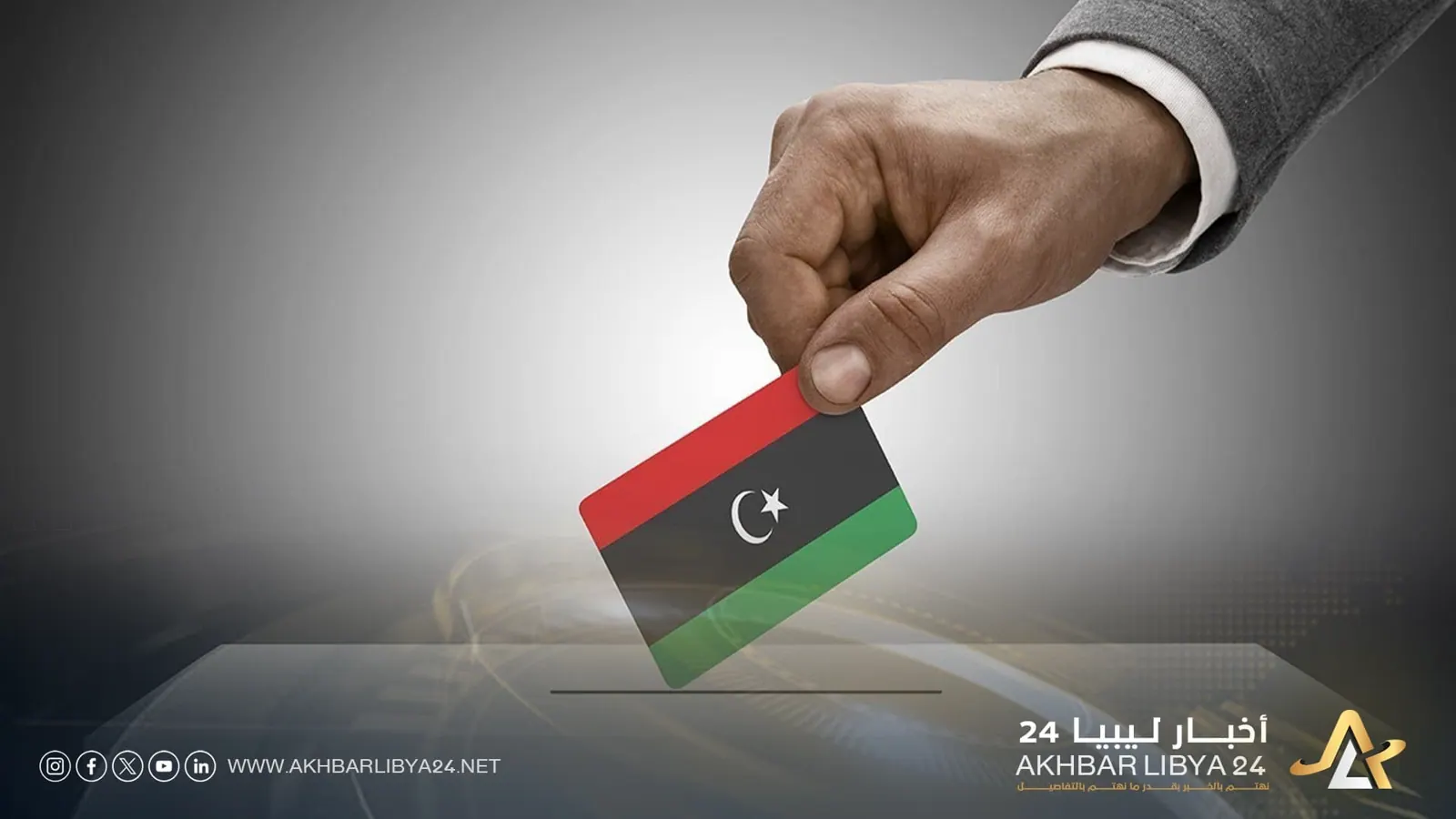
The Libyan political scene has witnessed a resurgence of discussions around the country's election process and the unification of the executive authority. This comes as efforts to implement a roadmap for the country's transition, sponsored by the United Nations Support Mission in Libya, continue. Despite varying opinions on the mechanisms for implementing the outcomes of the "4+4" committee, there is a general consensus on the need for a unified approach to achieve the ultimate goal of holding national elections.
A recent proposal by Sadiq Bin Sharada, a member of the Libyan High Council of State, emphasized the need to move beyond the current impasse and focus on completing the remaining steps of the roadmap. Bin Sharada suggested that the controversy surrounding the initial steps taken by the "4+4" committee should not hinder progress, and that the priority should be on achieving a unified executive authority that will oversee the constitutional referendum and electoral process.
The "4+4" committee had previously concluded its discussions on the first two steps of the roadmap, which involve reconstituting the National High Commission for Elections and completing the legal and constitutional frameworks necessary for holding elections. The UN Support Mission in Libya stated that these outcomes are part of a broader process aimed at creating the political and institutional conditions for national elections and unifying state institutions.
The proposal to unify the executive authority is seen as a crucial step towards creating a conducive environment for elections and stability. However, Libya's institutions have been plagued by divisions, and efforts to transition from political agreements to concrete implementation steps continue. The UN mission has reiterated its commitment to supporting Libyan efforts to unify state institutions, hold national elections, and promote political and security stability.
The impact of the ongoing divisions is not limited to the political sphere, as it also affects the economic and social sectors. The proliferation of decision-making centers and institutions weakens the state's ability to implement unified policies in areas such as public spending, management, services, and institutional reform. Therefore, a unified executive authority could potentially have a positive impact on managing public resources and coordinating economic and service policies.
Bin Sharada also touched on the issue of Libya's relationship with foreign countries, cautioning against the influence of external positions on Libyan politicians' stances. He emphasized that while differing opinions and policies are natural, it is essential to prioritize national interests and avoid being swayed by foreign agendas. This statement reflects a broader concern about the influence of external actors on Libya's internal affairs.
The current developments have placed Libya's political process at a critical juncture, where the implementation of agreed-upon steps will be crucial in determining the country's future. The success of the electoral process and the unification of the executive authority will depend on the ability of Libyan institutions and parties to translate agreements into concrete actions, ultimately paving the way for a national election that will bring an end to the transitional phase.
Key points
- - The Libyan political process is focused on the election process and unified executive authority. - A unified executive authority is seen as crucial for creating a conducive environment for elections and stability. - The influence of external positions on Libyan politicians' stances is a concern.