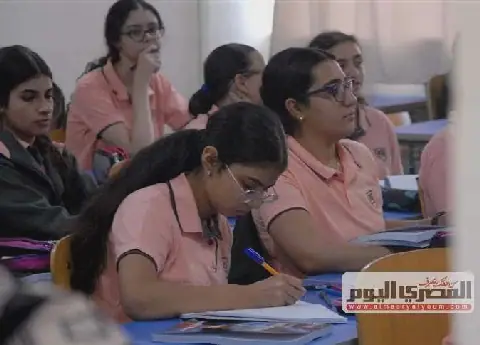
The education crisis in Libya has returned to the forefront, driven by teachers' demands for fair salaries and better working conditions. The issue has sparked concerns about the potential for widespread social and economic instability. According to political analyst Suleiman al-Biyoudi, the resurgence of the education movement could put Prime Minister Abdul Hamid Dbeiba's government to the test in terms of social justice. Al-Biyoudi warned that the government's failure to address the crisis could lead to its downfall.
The Libyan government has recently taken steps to address the crisis, including announcing a unified salary scale for public sector employees. However, the implementation of this scale has been met with skepticism by some, who question its effectiveness in addressing the root causes of the crisis. Al-Biyoudi argued that the government's approach has only increased the chaos and divisions within the teachers' unions. He emphasized that a genuine solution will depend on the stance of the teachers themselves.
At the heart of the crisis lies the issue of salary disparities. The law on unified salaries, passed in 2023, aims to regulate public sector salaries, including those of teachers. However, the law's implementation has been slow, and many teachers continue to demand fair compensation. Al-Biyoudi noted that the problem extends beyond salaries, citing the rising cost of living and the lack of effective market regulation. He proposed linking commodity prices to import documents to curb price manipulation.
Al-Biyoudi also criticized the government's handling of the crisis, arguing that it has focused too narrowly on salary issues while neglecting broader economic and social challenges. He called for a comprehensive approach to address the country's economic and social woes, including the implementation of a unified salary scale and a realistic economic reform program. The analyst emphasized that the education crisis is inextricably linked to the country's economic and social situation.
The crisis has also highlighted the need for improved working conditions and benefits for teachers. The Libyan Teachers' Union has demanded not only salary adjustments but also improvements in healthcare, legal protection, and working conditions. Al-Biyoudi rejected the notion that teachers are motivated by envy of other public sector employees, arguing that their demands are centered on fairness and equality.
The government's response to the crisis has been met with skepticism by some, who question its commitment to implementing meaningful reforms. Al-Biyoudi noted that the government's announcement of a unified salary scale and other measures has yet to translate into tangible benefits for teachers and other public sector employees. He emphasized that the success of the government's initiatives will depend on its ability to deliver concrete results.
The education crisis in Libya has significant implications for the country's future. Al-Biyoudi warned that if left unaddressed, the crisis could have far-reaching consequences for the country's stability and development. He called on the government to prioritize the implementation of a unified salary scale and other reforms, emphasizing that this is essential for achieving social justice and addressing the country's broader economic and social challenges.
Key points
- The Libyan government's handling of the education crisis will be crucial in determining the country's stability and development.
- The crisis has highlighted the need for a comprehensive approach to address Libya's economic and social challenges.
- The implementation of a unified salary scale and other reforms is essential for achieving social justice and addressing the country's broader economic and social challenges.