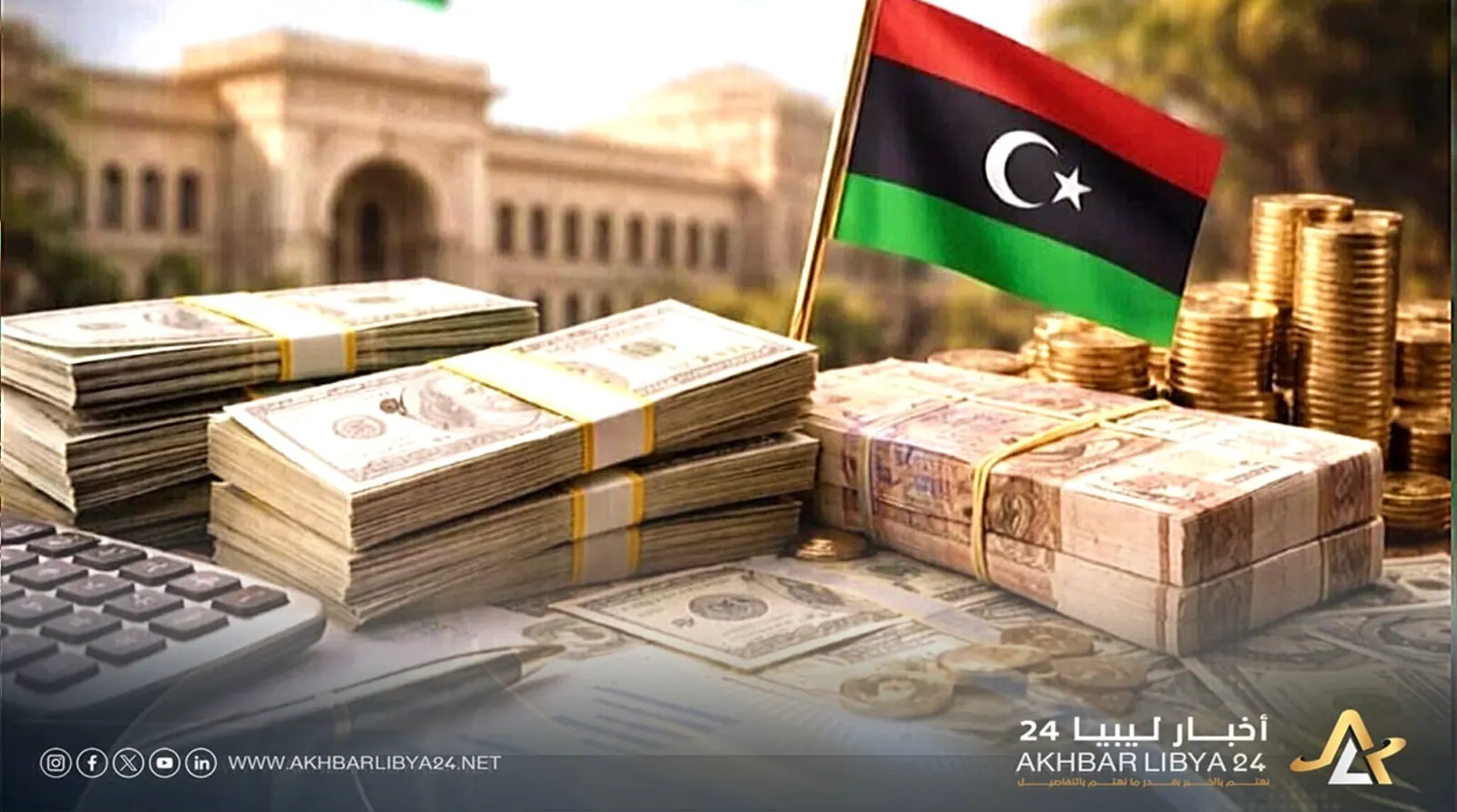
Libya's economic crisis has sparked intense debate among experts, with some attributing the crisis to the country's reliance on oil and gas exports, while others point to the mismanagement of public finances and the black market for foreign currency. The crisis has led to a shortage of dollars, causing prices to rise and making it difficult for businesses to import goods. The issue has been further complicated by the existence of two parallel markets for foreign currency, with the official market offering a much lower exchange rate than the black market.
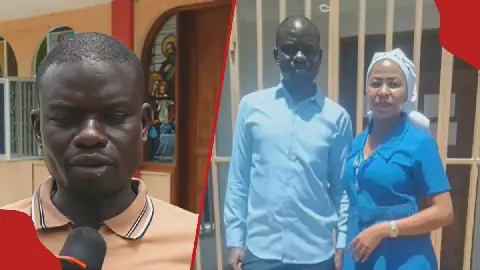
Businessman Hossni Bey has weighed in on the crisis, arguing that the root cause of the problem lies in the government's spending habits and the subsidies it provides for fuel and other essential goods. He estimates that the government's total spending has exceeded 270 billion dinars, with a significant portion going towards fuel subsidies and employee salaries. Bey believes that the government's inability to manage its finances has led to a shortage of dollars, which in turn has driven up prices and created a black market for foreign currency.
Bey also points out that the country's economy is heavily reliant on oil and gas exports, which are sold in dollars, but the majority of government spending is done in dinars. This creates a mismatch between the government's revenues and its expenditures, which can only be reconciled by converting some of the oil revenues into dinars through the sale of dollars. However, this process has created a rent-seeking opportunity for those who can access dollars at the official rate and sell them at a higher rate on the black market.
Economist Moukhtar Jedid has offered a different perspective on the crisis, arguing that the solution lies in giving citizens a greater role in accessing foreign currency. He proposes that citizens be allowed to buy dollars directly from the central bank, which would reduce the demand for dollars on the black market and help to stabilize the exchange rate. Jedid also suggests that the government should reconsider its system of subsidies and instead provide direct support to citizens, which would help to reduce the country's reliance on imported goods.
The debate between Bey and Jedid highlights the complexity of Libya's economic crisis and the need for a comprehensive solution. While Bey emphasizes the need for fiscal discipline and a reduction in government spending, Jedid argues that the key to resolving the crisis lies in giving citizens a greater role in accessing foreign currency. The two experts also agree that the current system of subsidies is unsustainable and that a new approach is needed to support citizens and promote economic growth.
The economic crisis has had a significant impact on the lives of ordinary Libyans, who are struggling to access basic goods and services. The shortage of dollars has led to a shortage of essential goods, including food and medicine, and has driven up prices, making it difficult for people to afford the things they need. The crisis has also had a negative impact on businesses, which are struggling to import goods and pay their employees.
The Libyan government has taken some steps to address the economic crisis, including efforts to increase oil production and improve the efficiency of the public sector. However, much more needs to be done to address the root causes of the crisis and to promote sustainable economic growth. The debate between Bey and Jedid highlights the need for a comprehensive and inclusive approach to addressing the economic crisis, one that takes into account the needs and perspectives of all Libyans.
Key points
- Libya's economic crisis is caused by a combination of factors, including the country's reliance on oil and gas exports, mismanagement of public finances, and the black market for foreign currency.
- Experts propose different solutions to the crisis, including fiscal discipline, a reduction in government spending, and giving citizens a greater role in accessing foreign currency.
- The economic crisis has had a significant impact on the lives of ordinary Libyans, who are struggling to access basic goods and services.