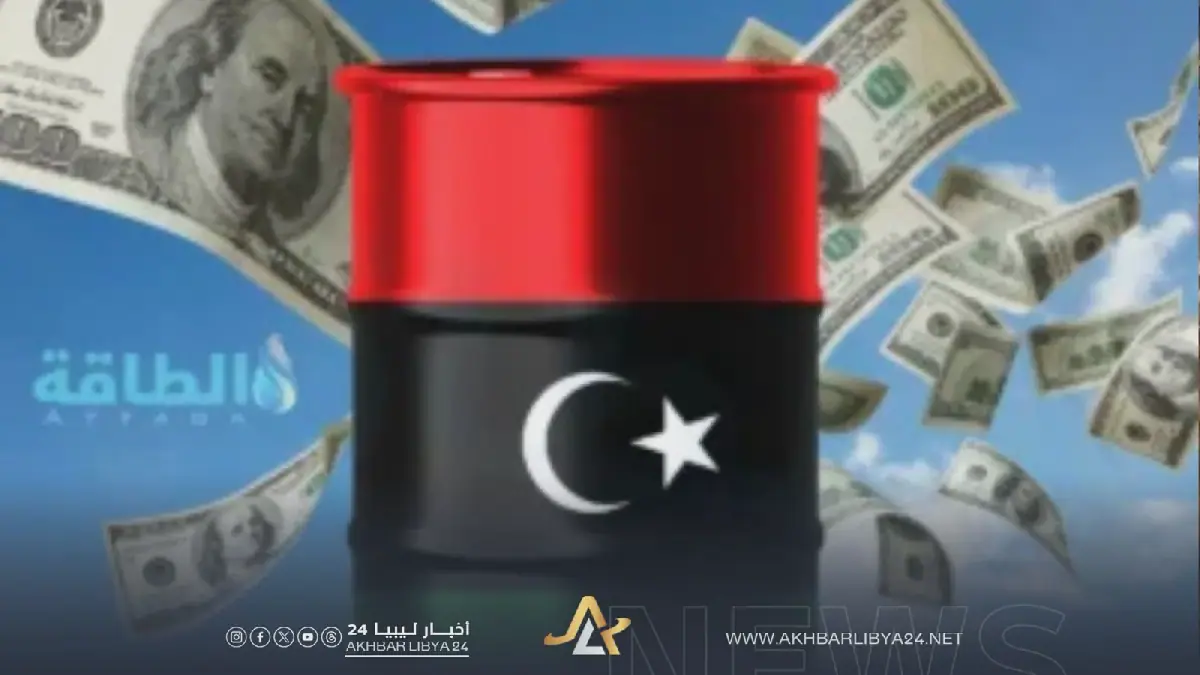
Libya's economic stability is crucial for its citizens, and experts believe that a combination of fiscal discipline and enhanced oil revenues can help achieve this goal. According to Ali Al-Sharif, a lecturer at the University of Benghazi, adhering to the guidelines set by the Central Bank of Libya to control spending and improve oil revenue collection can support the stability of the exchange rate and reduce inflation. The current economic situation in Libya is challenging, and a multi-faceted approach is necessary to address these issues.
The importance of oil revenue in Libya's economy cannot be overstated. As a major oil producer, the country's economy is heavily reliant on oil exports. Therefore, improving oil revenue collection is critical to supporting economic stability. Al-Sharif emphasized that controlling spending and organizing import operations in coordination with the Ministry of Economy are essential elements in addressing financial and economic imbalances. These measures, combined with enhanced oil revenues, can help Libya's economy recover.
Effective implementation is crucial to the success of these measures. Al-Sharif stressed that simply announcing procedures is not enough to address the existing problems. The main challenge lies in controlling spending and adhering to the rules and procedures adopted by various parties. If these procedures are not followed, financial and economic problems may persist, limiting the chances of achieving the desired improvement in exchange rates and inflation levels.
The lecturer called for a cautious approach to any indicators that may support economic stability, given Libya's past experiences with non-compliance with some agreements and procedures. He emphasized that continued commitment and implementation are essential to maintaining confidence in economic procedures and converting them from announced decisions to actual results. The coming stage will depend on the ability of concerned parties to adhere to agreed-upon measures.
Organizing import operations is another critical aspect of Libya's economic stability. Al-Sharif noted that coordinating import operations between relevant authorities is part of the proposed measures to control spending and limit pressures that may affect the foreign exchange market. The success of this approach requires continuous coordination between relevant institutions and adherence to agreed-upon procedures to ensure consistency in financial and economic decisions.
Libya's economic experts are optimistic about the potential for economic stability, but this optimism is conditional on the commitment of all parties involved. Al-Sharif emphasized that the implementation of these measures will be critical to their success. If implemented effectively, these measures can help stabilize the Dinar, reduce inflation, and support economic growth.
In conclusion, Libya's economic stability depends on a combination of fiscal discipline and enhanced oil revenues. The country's experts believe that a multi-faceted approach is necessary to address the current economic challenges. By controlling spending, improving oil revenue collection, and organizing import operations, Libya can support economic stability and improve the standard of living for its citizens.
Key points
- Libya's economic stability hinges on fiscal discipline and enhanced oil revenues.
- Effective implementation of economic procedures is crucial to their success.
- Organizing import operations is essential to controlling spending and limiting pressures on the foreign exchange market.