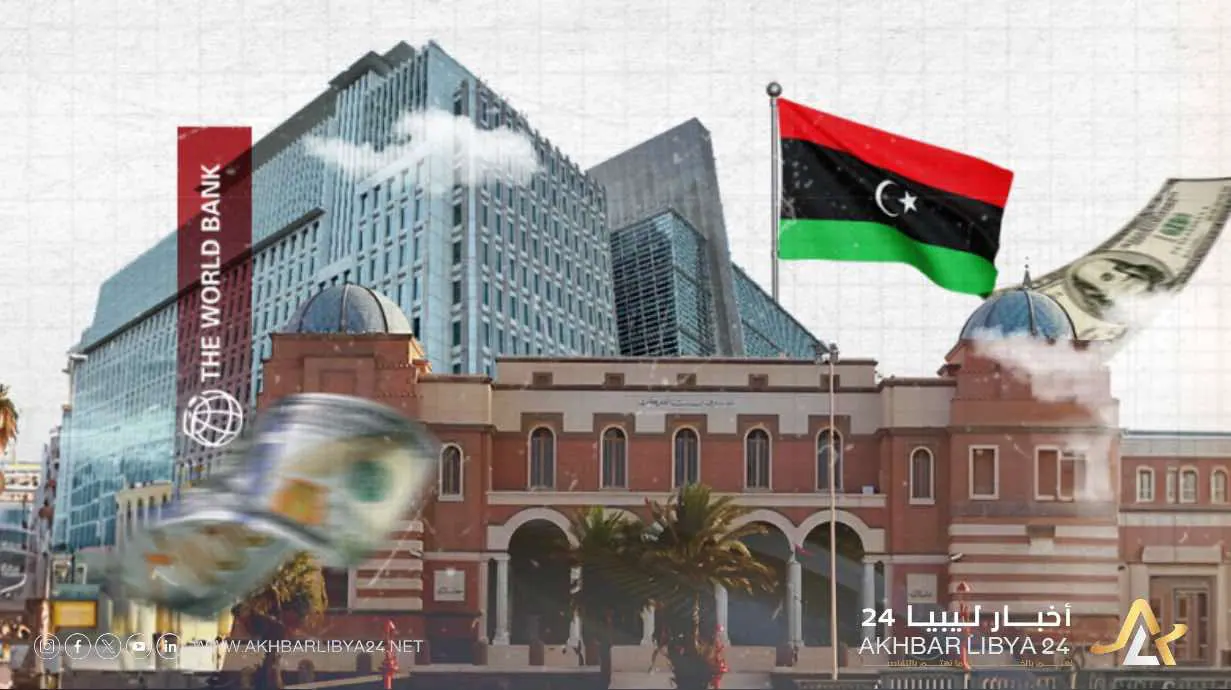
Libya's economic crisis is more complex than just unifying salaries, according to Dr. Ali Sharif, an economics professor at the University of Benghazi. He warns that reducing the issue to the performance of the Central Bank of Libya and the allocation of funds oversimplifies the problem. The high demand for foreign currency is linked to various factors, including the use of funds for profit rather than actual trade.
The Libyan economy is facing a broader crisis than just the allocation of funds. The ongoing political division is exacerbating economic, social, and security problems. The division of state institutions creates an environment conducive to corruption and waste of public funds, due to weak oversight and accountability. This affects oil resources, public spending, public debt, and the smuggling of goods and fuel.
The issue of unified salaries remains a pressing concern, with the concerned authorities facing internal conflict. Meanwhile, essential sectors such as education are experiencing repeated disruptions, raising fears of similar impacts on the healthcare sector. The official track shows that the unified salary file is still being followed up, with discussions between the Central Bank of Libya, the Minister of Finance, and the head of the Audit Bureau on mechanisms to complete the table and control public spending.
The private sector in Libya is also affected, as a large part of its activity has become linked to bank credits and government tenders, rather than transforming into an independent productive sector. This contributes to diversifying the economy, creating job opportunities, and providing sustainable sources of income and foreign currency. The continued reliance on public spending and oil resources limits the private sector's ability to play its natural role.
The consequences of economic imbalances extend beyond financial indicators, affecting services that directly impact citizens' lives. The level of healthcare services is declining, and there is a lack of an effective health insurance system. The repeated disruptions in the education sector are also impacting the educational process and outcomes. Citizens are facing increasing pressures, especially with rising prices of basic goods.
The phenomenon of irregular migration adds a security and social dimension to the crisis. Dr. Sharif emphasizes that addressing this issue requires a precise and firm institutional solution, especially given the potential demographic implications and concerns about data integrity. The need for a comprehensive solution is crucial, particularly in light of the connection between the population and security files and the management of state institutions, resources, and services.
Dr. Sharif emphasizes that unifying salaries is a necessary but insufficient condition to improve citizens' living standards. The goal is not just to increase the nominal value of salaries but to restore a significant part of the purchasing power lost due to the decline in the dinar's value and rising prices. A comprehensive political solution, rebuilding state institutions, and enhancing oversight and accountability are essential to addressing the crisis.
Key points
- Libya's economic crisis requires a comprehensive solution beyond salary unification.
- The country's purchasing power and economy face critical tests due to ongoing political division and economic imbalances.
- A solution to the crisis requires a comprehensive political solution, rebuilding state institutions, and enhancing oversight and accountability.