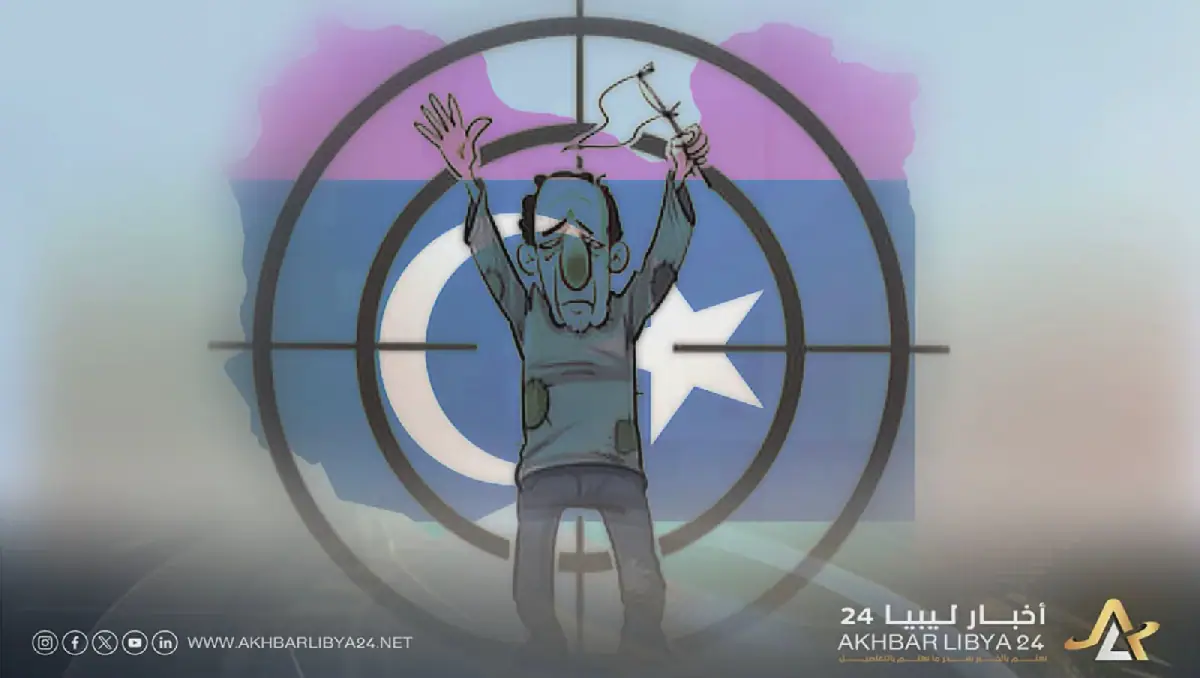
Libya is grappling with a profound crisis that extends beyond mere political and administrative challenges, according to Abulqasim Qazit, a member of the country's High Council of State. In a recent statement, Qazit described a situation where the nation's very statehood is under question, with the government seemingly unable to effectively manage its resources, provide basic services, or protect its citizens. This situation has led to widespread disillusionment and frustration among the Libyan people.
One of the key symptoms of this crisis is the proliferation of "ghost employees" – individuals who are listed on the government's payroll but do not actually work. Qazit estimates that over half of the country's teachers fall into this category, with similar issues plaguing other sectors. This not only represents a significant drain on the country's resources but also perpetuates a culture of corruption and cronyism. Furthermore, the issue of "ghost employees" is closely tied to the broader problem of a bloated public sector, which has become a major burden on the Libyan economy.
The education sector is another area where Libya's crisis is manifesting. Qazit emphasizes the need for the academic year to commence without delay, while also highlighting the importance of resolving the salary issues affecting teachers. However, he notes that many educators are not actually present in the classroom, instead serving as figureheads on the government's payroll. This situation not only undermines the quality of education but also perpetuates inequality and unfairness among those who are genuinely working.
The country's militarized landscape is another pressing concern. Qazit points out that Libya's military, according to official numbers, appears to be one of the largest in the world, with an estimated 250,000 personnel on the payroll. However, this number is likely exaggerated, and the actual military capability of the country is questionable. This situation raises important questions about the country's military structure, its relationship with the government, and the allocation of resources.
Qazit also critiques the current state of Libya's media landscape, where aggressive and provocative rhetoric has become increasingly common. He argues that this kind of discourse not only contributes to social polarization but also undermines constructive debate and dialogue. In a country that desperately needs nuanced discussions about its future, the prevalence of inflammatory language and behavior is seen as counterproductive.
The relationship between the government and the Libyan people has also deteriorated significantly. Qazit notes that the authorities often view peaceful protests with suspicion, while the protesters themselves are increasingly skeptical of the government's intentions. This breakdown in trust has created a toxic dynamic, where the government's attempts to manage dissent are seen as inadequate or insincere. In such a climate, finding a peaceful and constructive resolution to the crisis appears increasingly challenging.
Ultimately, Qazit and many other Libyans are calling for a fundamental transformation of the country's governance structure and its relationship with its citizens. This involves not only addressing the immediate symptoms of the crisis but also tackling the deeper issues of corruption, cronyism, and mismanagement that have contributed to Libya's plight. The task ahead will be difficult, but it is clear that the country's future depends on its ability to create a more effective, accountable, and responsive government.
Key points
- The crisis in Libya is not just a matter of politics or economics but a fundamental challenge to the country's statehood and governance structure.
Reporting sources
- من نجومية الوقاحة إلى انهيار الثقة.. ليبيا تدفع ثمن غياب الدولة · Akhbar Libya 24