Libya's intricate relationship with Turkey has taken a significant turn, with Ankara's increasing presence in the country's west, east, and south. According to Raki Al-Masmari, a law professor, Turkey's military, political, diplomatic, and security influence in western Libya is substantial. Additionally, Turkish companies have expanded their economic and investment activities in the east and south, operating in construction, contracting, and development projects. This growing presence has granted Turkey a platform to engage with various Libyan factions.
Al-Masmari noted that Turkey's extensive activities have allowed it to build relationships with different parties in Libya. He suggested that the military base in Al-Rajma could benefit from its ties with Ankara to foster greater understanding and trust with western factions. Turkey's influence in the western region is unparalleled compared to other regional and international actors. This unique position could facilitate communication and cooperation between Libya's eastern and western factions.
The development comes as the United Nations mission and the US initiative strive to reach an understanding among Libyan parties. Al-Masmari stated that Turkey's hosting of meetings and discussions could provide a vital communication channel, promoting rapprochement and ultimately leading to an agreement on future political arrangements. This role could be instrumental in overcoming the current impasse.
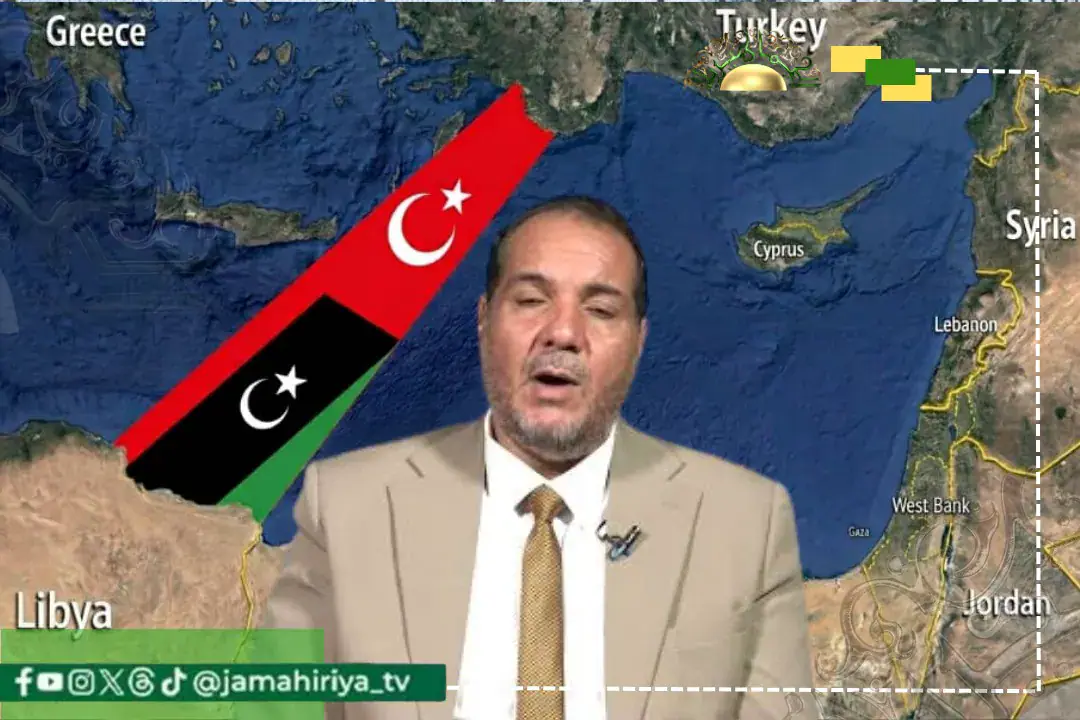
Regarding the maritime agreement between Libya and Turkey, Al-Masmari cautioned that there may be potential legal complications. He emphasized that parliamentary ratification and publication in the official gazette are crucial steps in the agreement's domestic process. However, the possibility of a legal challenge could lead to judicial review, potentially conflicting with relevant legal norms.
In the event of a dispute over the maritime border, Al-Masmari mentioned the possibility of resorting to international courts or arbitration. He noted that Greek and other interests in the eastern Mediterranean could further complicate the issue. The 1982 United Nations Convention on the Law of the Sea, also known as the Jamaica Agreement, establishes rules for maritime boundary delimitation and islands. However, Turkey's non-participation in the agreement raises questions about its applicability.
Al-Masmari observed that Turkey's multifaceted presence in eastern and western Libya positions it to play a mediating role. By facilitating dialogue and building trust, Turkey could contribute to bridging the gaps between Libyan factions. He also touched upon the US initiative and the 4+4 agreement, which aims to support the implementation of understandings between the eastern and western parties.
The professor linked the Turkish role to the challenges of bringing various armed groups in western Libya under the control of the government. Some groups have official designations and affiliations with the interior or defense ministries but often disregard instructions and orders. The situation underscores the complexities of Libya's current landscape and the potential benefits of engaging Turkey in the peace process.
Key points
- Turkey's growing presence in Libya has significant implications for the country's maritime agreement and peace process.
- The possibility of international courts or arbitration in case of a dispute over the maritime border adds complexity to the issue.
- Turkey's multifaceted presence in Libya positions it to play a mediating role in the country's peace process.