A new law governing Libya's civil society organizations is nearing completion, with the UN Support Mission in Libya (UNSMIL) announcing that it has reached an agreement on the draft legislation. The law aims to provide greater legal protection for civil society groups and ensure their independence and freedom to operate. The draft law has been developed through consultations with lawmakers, legal experts, and human rights activists.
The new law is expected to have a significant impact on the future of civil society work in Libya. Currently, civil society groups face significant challenges, including restrictions on their activities and interference from government authorities. The new law aims to address these issues and provide a more enabling environment for civil society groups to operate. The law's provisions and goals will be discussed in a special coverage program on Al-Wasat TV.
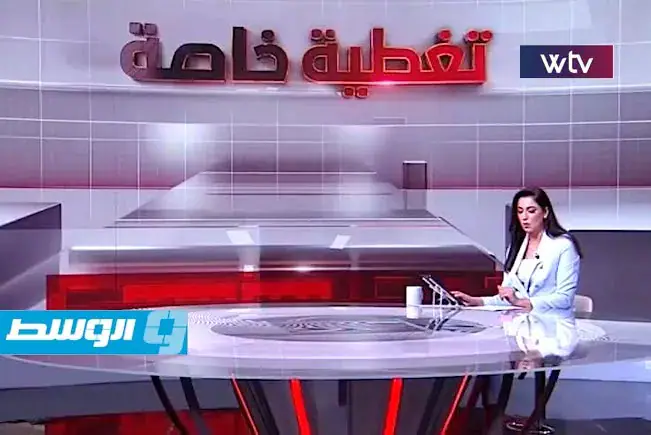
The special coverage program, hosted by presenter Zina Al-Shawashi, will feature guests including Mabrouka Al-Temer, head of the Civil Society Commission, Dr. Baher Al-Awkali, a professor of media at the University of Tobruk, and lawyer Threya Al-Twibi. They will discuss the dimensions of the new draft law from institutional, media, and legal perspectives. The program aims to evaluate the guarantees provided by the law for civil society organizations.
The draft law's passage has been welcomed by civil society groups, who see it as a crucial step towards securing greater recognition and protection for their work. However, some concerns have been raised about the law's implementation and the potential challenges that may arise. The law's impact on the future of civil society work in Libya will depend on its provisions and how it is enforced.
The new law is part of a broader effort to strengthen Libya's civil society sector. In recent years, civil society groups have played an increasingly important role in promoting social and economic development in Libya. The law aims to support this work by providing a more favorable regulatory environment.
Libya's civil society sector has faced significant challenges in recent years, including restrictions on freedom of association and assembly. The new law aims to address these issues and provide greater protection for civil society groups. The law's implementation will be closely watched by civil society groups and international observers.
The special coverage program on Al-Wasat TV will provide an in-depth analysis of the new law and its implications for Libya's civil society sector. The program will be broadcast on Friday evening and will be available on the channel's website and social media platforms. Viewers can tune in to the program on Al-Wasat TV's frequencies on Nilesat.
Key points
- The new law aims to provide greater legal protection for Libya's civil society groups and ensure their independence and freedom to operate.