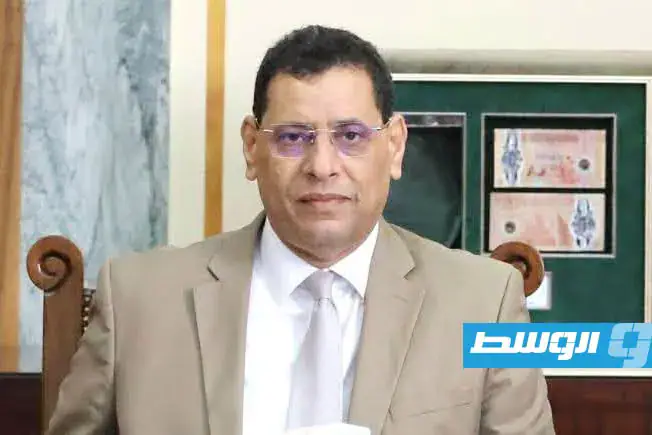
The Central Bank of Libya concluded its fifth ordinary meeting of 2026, held in Tripoli, issuing five decisions and directives aimed at enhancing institutional governance, monetary policy, and electronic payment systems. The meeting, chaired by the bank's governor, Fozzi Abukhzam, discussed various topics, including the development of banking services, maintaining monetary and financial stability, and promoting cyber security. The bank's board reviewed reports on technical and financial matters, including electronic payment systems.
The Central Bank formed two committees: one for review and risk management, and another for monetary policy. The review committee aims to enhance the bank's supervisory role, monitor financial plans and programs, and assess risks. The monetary policy committee, comprising academic and professional experts, will support informed decision-making and develop effective monetary policies. These committees are expected to improve the bank's performance and promote economic stability.
The Central Bank emphasized the importance of developing electronic payment systems, promoting digital transactions, and reducing reliance on cash. The bank directed its staff to continue improving these systems, enhancing their efficiency and reliability, and expanding the use of electronic payment methods. This move aims to improve the quality of banking services, increase trust in the banking system, and support economic growth.
The meeting also discussed the situation of foreign currency and documentary credits. The bank stressed the need for coordination with executive authorities regarding import budgets, ensuring that available resources are allocated to cover essential needs for the national economy. The bank aims to support a stable exchange rate, efficient use of foreign currency, and protection of reserves.
The Central Bank highlighted the importance of coordinating with the executive authority on public spending and consolidating the general budget. The bank urged efforts to unify the budget without delay, alongside implementing necessary economic reforms. This aims to support financial and monetary stability, improve resource management, and promote financial discipline.
The Central Bank's governor, Fozzi Abukhzam, took office recently, following an announcement by the bank. Abukhzam's appointment was made by the House of Representatives and endorsed by the State Council. The bank assured that operations would continue normally and in an organized manner.
The Central Bank's decisions and directives reflect its efforts to promote economic stability, improve banking services, and enhance monetary policy. The bank's commitment to transparency, accountability, and good governance is expected to support Libya's economic growth and development.
Key points
- The Central Bank of Libya formed two committees to enhance its supervisory role and develop effective monetary policies.
- The bank emphasized the importance of developing electronic payment systems and promoting digital transactions.
- The bank's decisions aim to support economic stability, improve banking services, and enhance monetary policy.