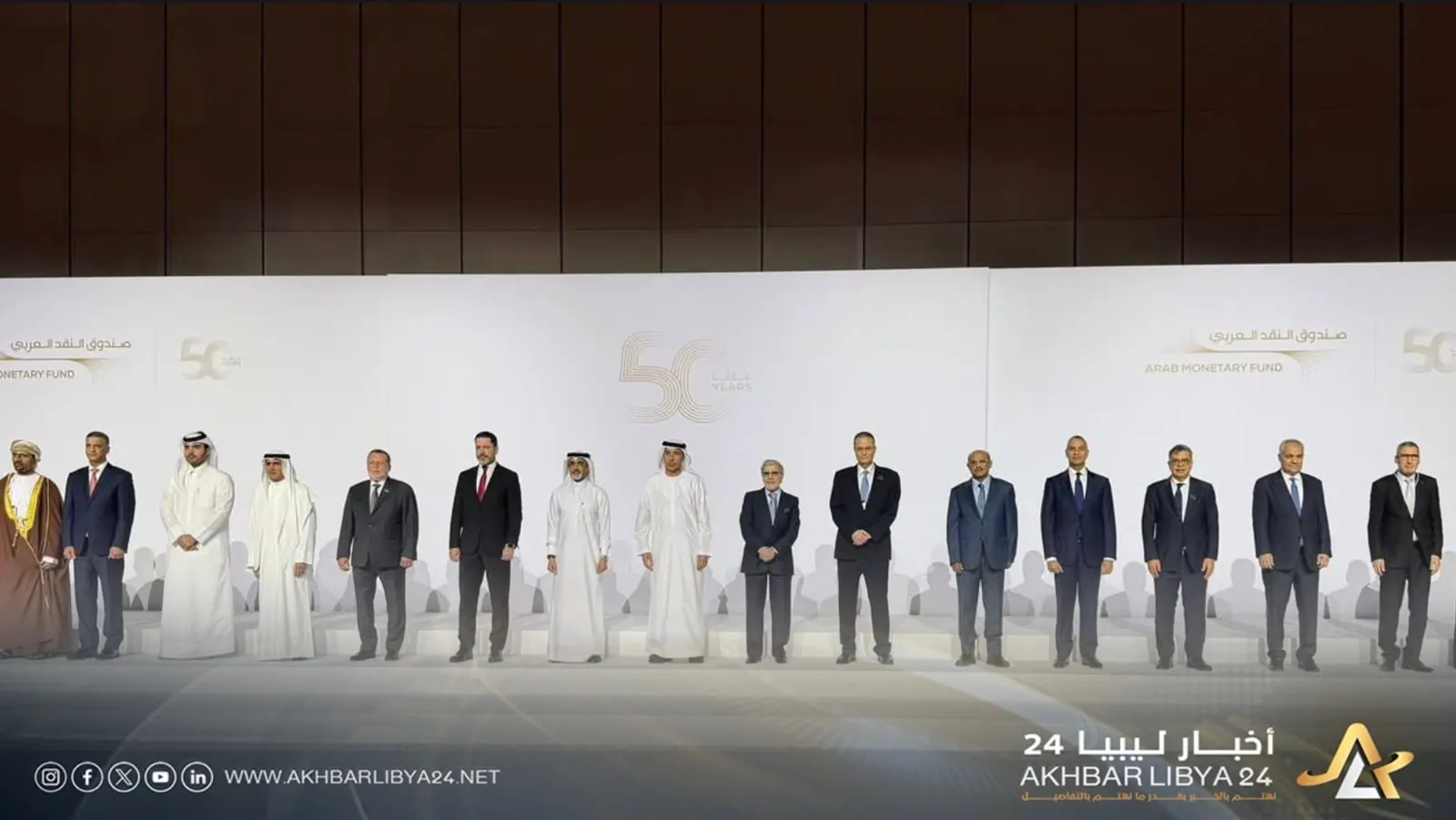
The governor of Libya's Central Bank, Najy Mohamed Issa, recently attended the 50th meeting of Arab central banks and monetary institutions in Abu Dhabi, United Arab Emirates. The meeting, which was held under the auspices of the Arab Monetary Fund, brought together governors of central banks and monetary institutions from Arab countries to discuss key economic and financial issues. The Libyan Central Bank's participation in the meeting reflects the country's efforts to engage with the international community on economic and financial matters.
The meeting focused on several key issues, including the current economic and financial situation in the Arab region, the challenges posed by global economic trends, and the need for financial stability. The participants also discussed ways to develop the banking sector, promote digital transformation, and enhance financial inclusion. These issues are particularly relevant to Libya, given the country's economic challenges, including its reliance on oil revenues and the need to diversify its economy.
The Arab central banks meeting also addressed the need for cooperation and coordination among central banks and monetary institutions in the Arab region. The participants emphasized the importance of working together to address common challenges and promote financial stability. This is particularly important for Libya, which is seeking to rebuild its economy and financial sector after years of conflict and instability.
The meeting also marked the 50th anniversary of the Arab Monetary Fund, which was established to promote monetary and financial cooperation among Arab countries. The fund has played a key role in supporting economic development in the Arab region and promoting financial stability. Libya's participation in the meeting reflects its commitment to regional economic cooperation and its efforts to engage with the international community on economic and financial matters.
The issues discussed at the meeting have significant implications for Libya's economy and financial sector. The country's economic challenges, including its reliance on oil revenues and the need to diversify its economy, were highlighted as key areas for attention. The participants also emphasized the need for Libya to develop its banking sector and promote financial inclusion.
The Libyan Central Bank's participation in the meeting is seen as a positive step towards addressing the country's economic challenges. The bank's governor, Najy Mohamed Issa, emphasized the importance of cooperation and coordination among central banks and monetary institutions in the Arab region. The meeting provided a platform for Libya to engage with the international community on economic and financial matters and to share its experiences and challenges.
The outcome of the meeting is expected to have a positive impact on Libya's economy and financial sector. The country's participation in the meeting reflects its commitment to regional economic cooperation and its efforts to engage with the international community on economic and financial matters. The meeting's focus on financial stability, economic challenges, and cooperation among central banks and monetary institutions is particularly relevant to Libya's current economic situation.
Key points
- Libya's Central Bank governor participates in 50th Arab central banks meeting to discuss financial stability, economic challenges
- Meeting focuses on developing banking sector, promoting digital transformation, and enhancing financial inclusion
- Libya's participation in meeting reflects its commitment to regional economic cooperation and efforts to engage with international community on economic and financial matters