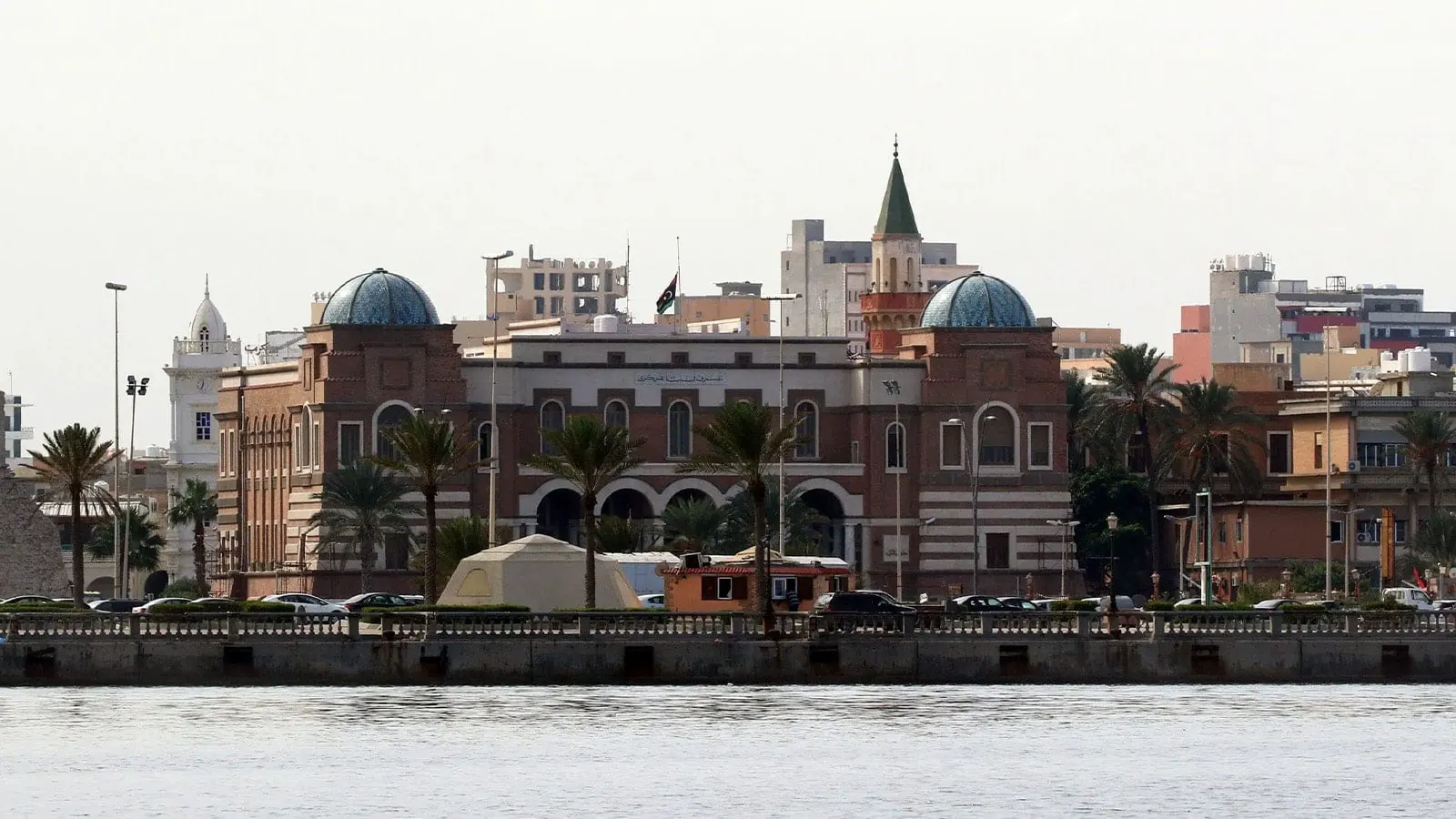
The Sharia Supervisory Board of the Central Bank of Libya has deemed transactions involving the reservation of $2000 for personal purposes as permissible under Islamic law. This decision diverges from a prior ruling by the Dar Al-Ifta, Libya's Islamic advisory body. According to the central bank, the reservation process does not constitute a deferred exchange or binding promise. The board asserts that since the exchange rate is not fixed at the time of reservation and ownership of the currency does not transfer to the customer, the process is merely an organizational step preceding the purchase.
The Sharia Supervisory Board emphasized that customers retain the right to complete, cancel, or postpone transactions without legal or moral obligation. Even if the reservation is considered a promise, it is deemed non-binding, which the board has approved in accordance with Islamic jurisprudence and standards set by the Accounting and Auditing Organization for Islamic Financial Institutions (AAOIFI). This decision was made after a thorough review of the transaction process and its compliance with Islamic principles.
In a related matter, the Sharia Supervisory Board confirmed that certificates of deposit based on absolute mudarabah (a form of Islamic investment) comply with Islamic regulations. The approval of these certificates followed a foundational and jurisprudential process, based on Islamic principles and standards from the International Islamic Fiqh Academy. The board verified that these certificates do not involve usury or excessive uncertainty and require that capital not be guaranteed, with profits based on a common percentage of actual investment.
The board clarified that the announced returns on these certificates are indicative and not guaranteed. As the institutional Sharia reference within the Central Bank of Libya and the banking sector under its supervision, the board's rulings are binding. This affirmation underscores the central bank's commitment to ensuring that its operations and products adhere to Islamic law.
Previously, Dar Al-Ifta issued a contradictory ruling, stating that the current $2000 transaction process does not comply with Islamic law. Dar Al-Ifta argued that the exchange rate is determined at the time of execution, not reservation, which could lead to prohibited practices such as delaying the receipt of one of the exchanged goods or engaging in binding promises in currency exchange contracts.
Dar Al-Ifta proposed an alternative approach where reservations through the system would merely secure the right to request foreign currency without constituting a binding contract at a specified price. The agreement on the exchange rate and the actual exchange and receipt would occur at the time of transaction execution. Additionally, Dar Al-Ifta opposed requiring financial guarantees from currency exchange companies or deducting insurance percentages for merely acting as agents.
Dar Al-Ifta viewed the commissions deducted by banks from currency exchange companies for transactions as "unlawful acquisition of money" and called for their discontinuation and the refund of previously collected amounts. The institution urged relevant Sharia authorities and financial institutions to review and correct transactions to eliminate perceived Islamic violations.
Key points
- The Central Bank of Libya's Sharia Supervisory Board has allowed $2000 personal transactions, citing compliance with Islamic law.
- This decision contradicts a prior ruling by Dar Al-Ifta, Libya's Islamic advisory body.
- The board also approved certificates of deposit based on absolute mudarabah, confirming their compliance with Islamic regulations.