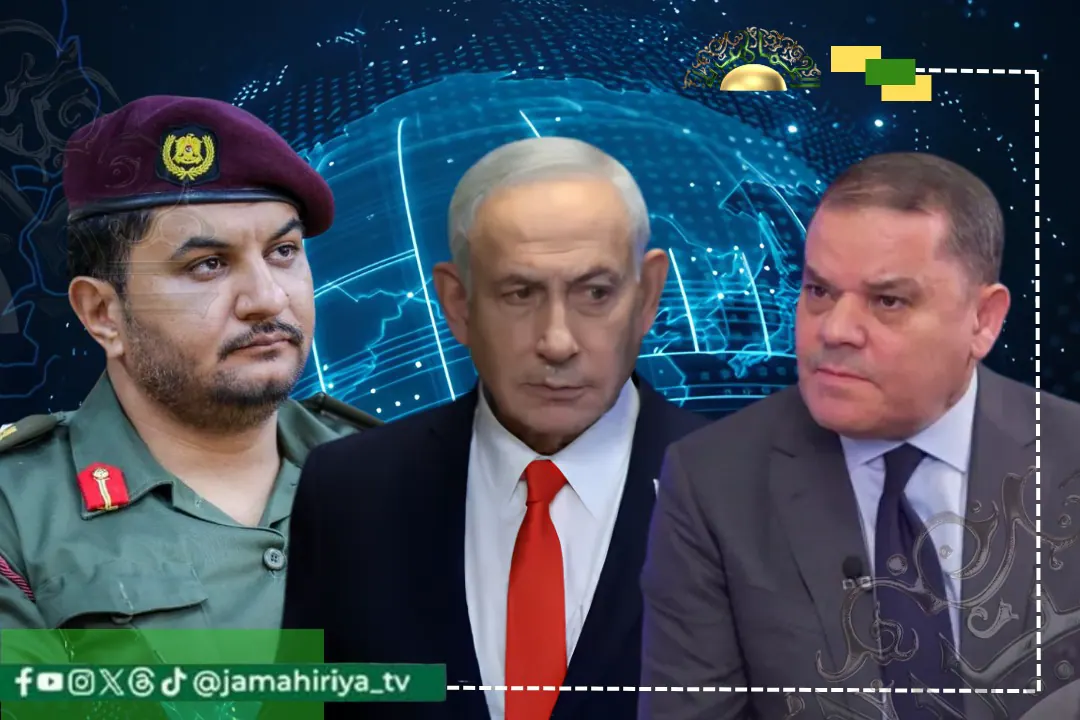
Libya's former Hifter advisor, Mohamed Buiyser, has warned of the potential risks of Israeli and Emirati influence in the country. In a recent statement, Buiyser claimed that there are ongoing efforts by Israel and the UAE to reshape the balance of power in the region, with Libya being a key target. He cited reports in Israeli and European media outlets about meetings between Libyan and Israeli figures in the UAE.
Buiyser linked these developments to shared interests between Israel and the UAE in various regional files. He believes that the UAE is seeking to boost its regional influence and rival Saudi Arabia, while Israel aims to weaken Arab states and plunge them into internal conflicts. Buiyser's comments have sparked concerns about the potential implications for Libya's stability and sovereignty.
According to Buiyser, the UAE and Israel are seeking to expand their influence in several regions, including Libya, Yemen, Somalia, Sudan, and Egypt. He claimed that this expansion serves different goals for both parties, including undermining regional powers and exploiting internal divisions. Buiyser's analysis suggests that Egypt and Saudi Arabia are critical players in these calculations, given their military, economic, and demographic weight.
Buiyser criticized what he described as a willingness by some Libyan parties to seize power at any cost. He accused the Tobruk-based House of Representatives of being prepared to collaborate with external actors to achieve its goals. Buiyser also warned that Libya's engagement with Israel without a strong economic, security, and scientific foundation could lead to increased external influence in the country.
Buiyser cautioned that Israeli influence in Libya could extend beyond politics and economics to security and intelligence domains. He cited the potential for Israel to use Arabic-speaking agents who can blend in with local communities, raising concerns about the exploitation of Libya's weak institutions and internal conflicts. Buiyser's comments have sparked debate about the potential risks and consequences of external interference in Libya.
In his statement, Buiyser urged Libyans to consider regional developments as part of a broader context of local rivalries. He warned that continued division and power struggles could make Libya more vulnerable to external interventions. Buiyser's analysis highlights the complexities of Libya's security landscape and the potential risks of external influence in the country's internal affairs.
The warning by Buiyser comes amid ongoing efforts to stabilize Libya and address the country's multiple challenges. His comments are likely to fuel further debate about the role of external actors in Libya and the potential implications for the country's sovereignty and stability.
Key points
- Mohamed Buiyser warns of potential Israeli and Emirati influence in Libya
- Buiyser cites reports of meetings between Libyan and Israeli figures in the UAE
- He warns of potential risks to Libya's stability and sovereignty from external interference