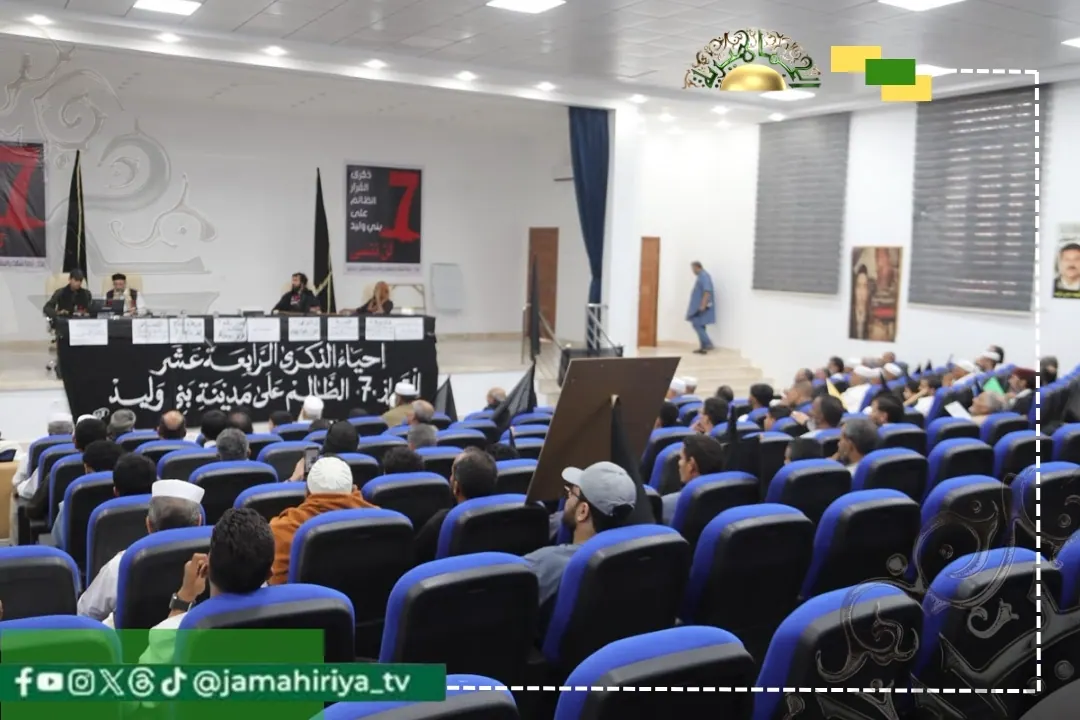
The Libyan city of Beni Walid recently marked the 14th anniversary of a contentious decision that sparked violence and destruction. On September 25, 2026, a gathering was held at the city's reconciliation forum to commemorate the decision, which residents and organizers describe as unjust. The event saw the participation of the social council of the Wafalla tribe, local leaders, and families of victims.
The commemoration included a documentary screening showcasing the city's ordeal in 2012, featuring footage of destruction and eyewitness accounts. Speakers and attendees reflected on the events, emphasizing the importance of preserving the city's history and ensuring justice for those affected. The decision, issued in 2012, led to a large-scale military deployment and clashes, resulting in casualties and displacement.
Decision 7, issued by the National Congress on September 25, 2012, targeted individuals from the former regime in Beni Walid, accusing them of crimes such as murder, kidnapping, and torture. The move sparked a military operation, which led to violent confrontations and significant human suffering. In 2017, the House of Representatives issued a new decision, nullifying the 2012 decree and providing compensation to victims' families.
The commemoration also included a visit to the Martyrs' Island in Beni Walid, where participants paid tribute to the victims, recited prayers, and honored their memories. This event serves as a reminder of the city's turbulent past and the ongoing efforts to come to terms with its history. The anniversary is an opportunity for the community to reflect on the impact of the decision and the importance of preserving its collective memory.
The organizers of the commemoration, including the Association of Wounded, Detainees, and Martyrs, aimed to highlight the human cost of the decision and the need for accountability. By documenting and sharing the experiences of those affected, the event seeks to ensure that the city's history is not forgotten and that lessons are learned from the past.
The participation of local leaders, academics, and community members underscores the significance of this event in Libyan society. It demonstrates a commitment to confronting the country's complex history and working towards healing and reconciliation. The commemoration serves as a testament to the resilience of the people of Beni Walid and their determination to preserve their collective memory.
As Libya continues to navigate its post-conflict landscape, events like this commemoration serve as a reminder of the importance of addressing the country's turbulent past. By acknowledging the impact of decisions like the one made in 2012, the Libyan people can work towards building a more just and equitable society, one that honors the memories of those affected and promotes accountability and healing.
Key points
- The commemoration of decision 7's anniversary serves as a reminder of the importance of preserving Libya's collective memory and promoting accountability for past human rights abuses.
- The event highlights the ongoing efforts of the people of Beni Walid to come to terms with their city's turbulent past and work towards healing and reconciliation.
- The Libyan government's decision to nullify the 2012 decree and provide compensation to victims' families is seen as a step towards addressing the impact of the decision on the city and its residents.