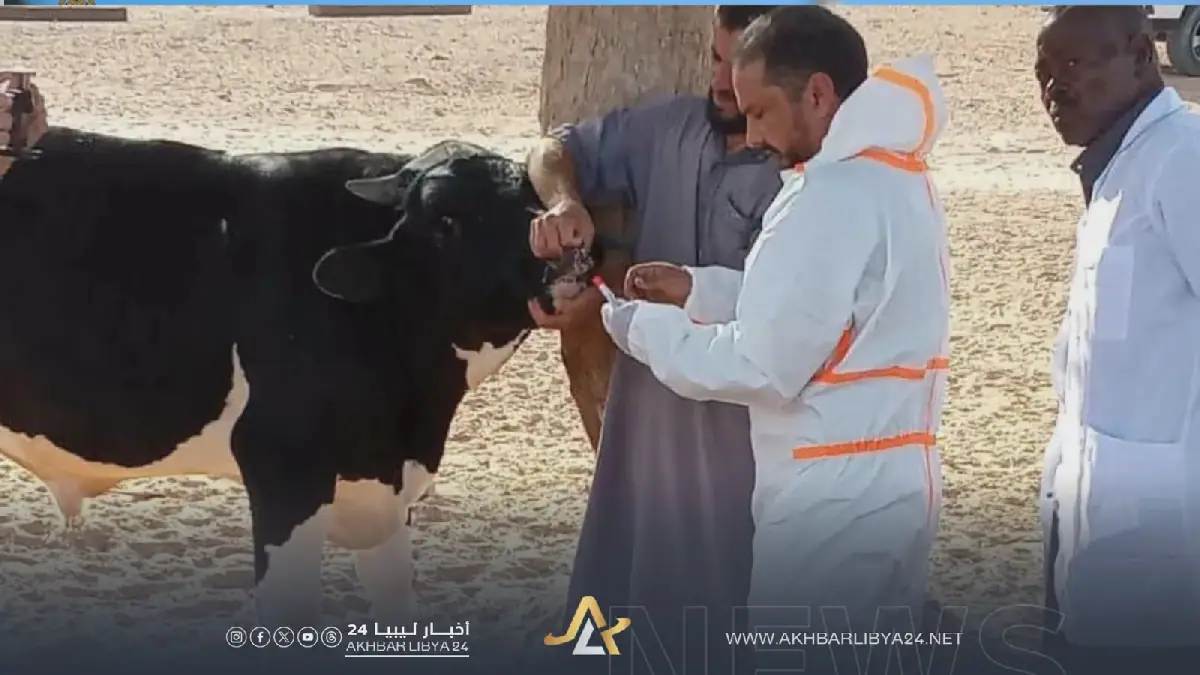
The head of Libya's National Center for Animal Health, Dr. Mohamed Al-Aqab, has warned of a potential catastrophe due to the acute shortage of veterinary vaccines and the lack of financial allocations for disease prevention and control plans. This warning comes as confirmed cases of Foot-and-Mouth disease have been reported, and an increase in animal deaths has been observed in several areas, posing a direct threat to food security and the national economy.
Dr. Al-Aqab stated that the center's financial support was completely halted during 2025 and 2026, leading to a structural inability to secure the necessary vaccines and supplies for vaccination campaigns and epidemic control. He emphasized that the crisis is not limited to Foot-and-Mouth disease vaccines but affects the entire preventive healthcare system.
In response to recent cases of animal deaths in the municipality of Slouq, Dr. Al-Aqab reported that monitoring and investigation teams were quickly dispatched in coordination with the animal health office and agricultural police. Samples were collected and sent to the central veterinary laboratory in Benghazi for diagnosis. He noted that the affected farms contain African cattle that entered the country illegally and were tagged and counted to prepare for slaughter.
Dr. Al-Aqab disclosed that six official Foot-and-Mouth disease outbreaks have been recorded, with three in Benghazi, two on the coast of Al-Jabal Al-Akhdar, and one additional outbreak. These outbreaks have resulted in around 90 sheep and 25 cattle deaths, excluding the expected toll from Slouq. He cautioned that if the preventive gap continues with dropping temperatures, the disease could spread rapidly, exacerbating losses for the sector.
The situation in Slouq remains concerning, with the need for urgent intervention to prevent further spread of the disease. Local authorities and health officials are working together to contain the outbreak and mitigate its impact on the livestock sector. The economic implications of such a crisis are significant, given the importance of agriculture and livestock to Libya's economy.
Dr. Al-Aqab stressed the urgent need for state intervention to allocate emergency funds for importing compatible vaccines, highlighting the humanitarian and economic suffering due to the non-payment of technical staff salaries for nearly ten months. He praised the efforts of field teams and the Benghazi laboratory, emphasizing that protecting animal wealth remains a crucial line of defense for public health and national food security.
The Libyan government faces mounting pressure to address the crisis in the animal health sector, with calls for immediate action to secure funding and prevent a wider disaster. The situation demands swift and effective measures to restore the sector's capabilities and ensure the protection of the country's livestock and food security.
Key points
- The shortage of veterinary vaccines in Libya poses a significant threat to the country's food security and economy.
- The crisis in the animal health sector is exacerbated by the lack of financial allocations for disease prevention and control plans.
- Urgent intervention is required to prevent further spread of Foot-and-Mouth disease and mitigate its impact on the livestock sector.