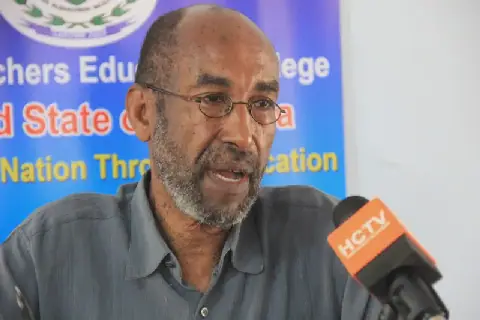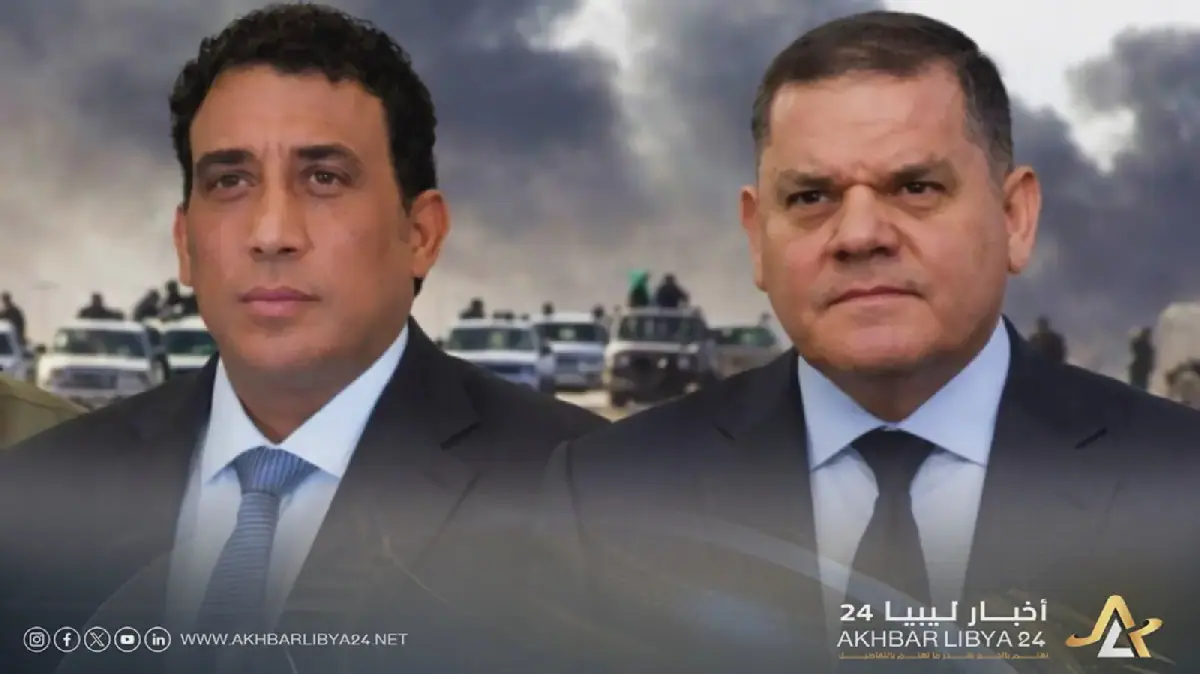
The postponement of the African-Turkish summit, set to take place in Libya, has raised questions about the country's ongoing power struggles. The summit's cancellation was announced by Libyan Presidential Council head Mohamed al-Menfi, sparking speculation about the reasons behind the move. According to Saeed Amghib, a member of the Libyan parliament, the decision may be more than just a scheduling issue, but rather a reflection of deeper political divisions.
Amghib expressed doubts about the official explanation for the postponement, suggesting that there may be more to the story than a simple disagreement over protocol. He pointed out that the current political climate in Libya is marked by efforts to reorganize the country's power structure, which may be influencing the decision to delay the summit. This has led to speculation about potential rifts between al-Menfi and Prime Minister Abdul Hamid al-Dbeibah.
Amghib did not rule out the possibility of a genuine disagreement between al-Menfi and al-Dbeibah, but also suggested that there may be an unspoken understanding between the two leaders. This could be related to the potential outcomes of the summit and how they might impact the balance of power in Libya. Amghib's comments highlight the complexities of Libyan politics, where alliances and rivalries can shift rapidly.
The postponement has also raised questions about the role of the Libyan government in preparing for the summit. Amghib wondered why the government, led by al-Dbeibah, was unable to overcome al-Menfi's objections to the summit. This has sparked debate about the nature of the relationship between the two leaders and the extent of their differences.
According to Amghib, the current situation in Libya may see attempts to reorganize the country's executive authority or introduce new mechanisms for distributing power and influence. This could have significant implications for the country's current power brokers, who may face challenges to their positions. As a result, some parties may be motivated to block any moves that could lead to their exclusion or reduced influence.
Amghib's comments suggest that the postponement of the summit may be more than just a minor setback, but rather a reflection of deeper power struggles in Libya. He argued that the country's current situation demands a more transparent and responsible approach to managing the country's affairs, prioritizing national interests over personal calculations.
The postponement of the African-Turkish summit has highlighted the ongoing challenges facing Libya as it navigates a complex and often contentious political landscape. As the country continues to grapple with the aftermath of a prolonged crisis, the need for a stable and effective government remains a pressing concern.
Key points
- The postponement of the African-Turkish summit reflects deeper power struggles in Libya.
- Libyan leaders may be motivated to block moves that could lead to their exclusion or reduced influence.
- The country's current situation demands a more transparent and responsible approach to managing its affairs.