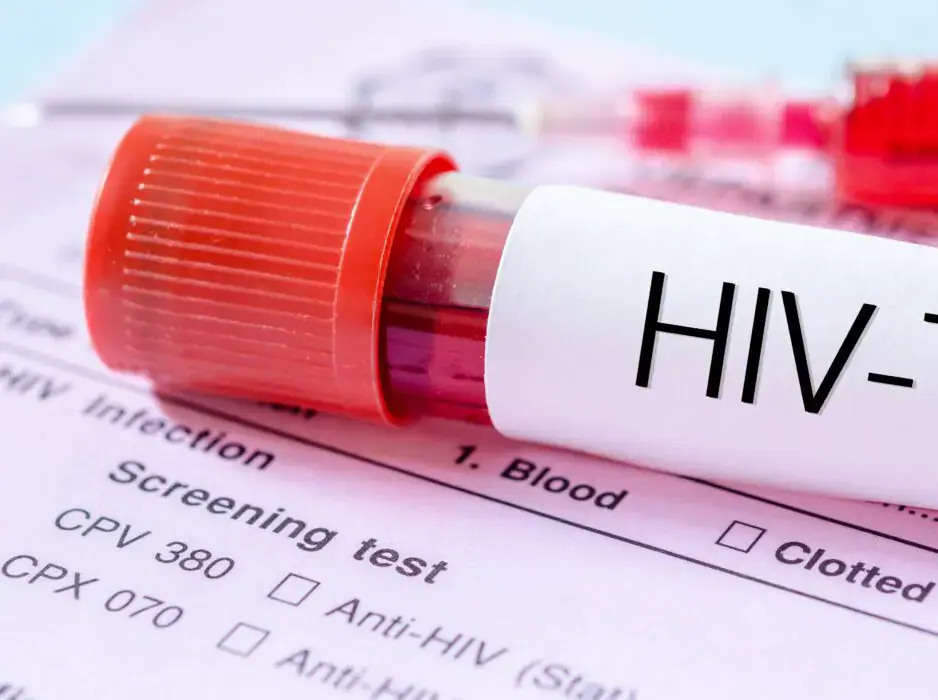
Despite progress in HIV prevention and treatment, 20% of Nigerians living with the virus remain unaware of their status. This translates to approximately 397,000 people, based on the estimated population of 1,985,284 people living with HIV in 2025. According to the National Agency for the Control of AIDS (NACA), 80% of Nigerians living with HIV know their status, leaving a significant gap in the country's efforts to identify and treat those living with the virus.
The Director-general of NACA, Dr. Temitope Ilori, reported that 98% of those diagnosed with HIV were receiving treatment, while 95% of those on treatment had achieved viral suppression. However, the 20% of Nigerians unaware of their status represents a significant challenge to the country's response to the epidemic. The UNAIDS 95-95-95 targets aim to ensure that 95% of people living with HIV know their status, 95% of those diagnosed receive sustained antiretroviral treatment, and 95% of those on treatment achieve viral suppression.
Nigeria's current performance stands at 80-98-94%, indicating progress in treatment coverage but remaining below the first and third targets. The country has made considerable progress in getting diagnosed persons onto treatment, but gaps remain in identifying those unaware of their status and ensuring that everyone receiving treatment achieves viral suppression. The two percent of diagnosed persons not receiving treatment could amount to approximately 32,000 people, based on the estimated population and treatment cascade figures.
The issue of patients lost to follow-up has become particularly important as the country works to sustain treatment gains amid changes in donor funding and efforts to strengthen domestic financing. Additional data obtained from the National Data Repository dashboard showed that 1,634,776 people were actively receiving HIV treatment as of November 14, 2026, across 1,997 facilities.
A 2025 report by the National AIDS, Viral Hepatitis and STIs Control Programme (NASCP) put the number of people receiving antiretroviral treatment at approximately 1.55 million in 2025, compared with 1.73 million in 2024 and 1.91 million in 2022. A study at the Lagos State University Teaching Hospital documented an increase in missed appointments and a decline in treatment retention following the 2025 United States government stop-work order.
The figures highlight the need to strengthen HIV testing, early diagnosis, and linkage to treatment, particularly as people who do not know their status may miss opportunities for early intervention and unknowingly transmit the virus. The country's response to the epidemic faces challenges, including concerns over patient retention, access to diagnostic services, and the availability of treatment commodities.
To address these challenges, the country must focus on identifying those unaware of their status and ensuring that everyone receiving treatment achieves viral suppression. The National Agency for the Control of AIDS (NACA) and other stakeholders must work together to strengthen HIV testing, early diagnosis, and linkage to treatment, and to sustain treatment gains amid changes in donor funding and efforts to strengthen domestic financing.
Key points
- 20% of Nigerians living with HIV, approximately 397,000 people, remain unaware of their status.
- Nigeria's current performance in HIV treatment coverage stands at 80-98-94%, remaining below the UNAIDS 95-95-95 targets.
- The country faces challenges in patient retention, access to diagnostic services, and the availability of treatment commodities.