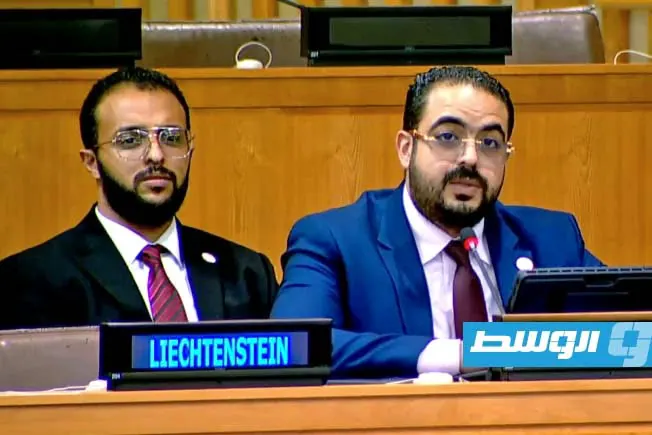
Libya has expressed its rejection of selective human rights and all forms of discrimination, emphasizing the importance of respecting cultural and religious diversity. The country's representative, Ahmed Al-Dreidi, made this statement during the Third Committee of the UN General Assembly in New York. Libya's stance highlights its commitment to promoting human rights while acknowledging the unique cultural and religious contexts of different nations.
Libya's efforts to address human rights and social issues were also highlighted in its statement. The country has developed a national strategy for youth, which is being implemented in collaboration with the United Nations. Additionally, Libya is working to enhance mechanisms for women's empowerment and participation in politics, economics, and decision-making processes. The country is also focused on integrating older adults and people with disabilities into social protection systems.
In the area of child protection, Libya has developed a joint plan with UNICEF to safeguard children's rights. The country is also working on its second national plan to combat child labor. These initiatives demonstrate Libya's commitment to promoting the well-being and protection of its citizens, particularly vulnerable populations such as children and women.
Libya has called for increased international cooperation to combat human trafficking and smuggling. The country emphasized the need for a collaborative approach to dismantle transnational crime networks and protect victims' rights. Libya also stressed the importance of building national capacities and promoting a human rights-based approach to addressing these issues.
The Libyan representative also highlighted the country's engagement with UN human rights mechanisms, including the Universal Periodic Review. Libya reiterated its commitment to transitional justice and national reconciliation, aiming to strengthen the rule of law and judicial independence. These efforts are crucial in promoting stability and security in the country.
Libya has also expressed concern about the rise of hate speech and online incitement. The country called for international action to address these issues, emphasizing the need to respect cultural and religious diversity. Libya's stance reflects its commitment to promoting tolerance and understanding in the face of growing global challenges.
In conclusion, Libya reaffirmed its commitment to the principles of the UN Charter and international human rights. The country emphasized the importance of integrating peace, security, and sustainable development to build inclusive and stable societies. Libya also reiterated its support for the Palestinian people's right to self-determination and statehood, highlighting the need for continued international support for the UN Relief and Works Agency for Palestine Refugees.
Key points
- Libya rejects selective human rights and emphasizes the importance of cultural and religious diversity.
- The country calls for international cooperation to combat human trafficking and smuggling.
- Libya reiterates its commitment to transitional justice, national reconciliation, and human rights.