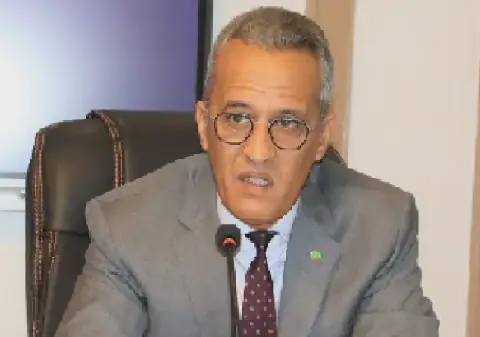
The Libyan Investment Authority, led by its chairman Ali Mahmoud, has engaged in discussions with French Ministry of Economy, Finance, and Treasury officials in Paris. The talks focus on reinvesting Libya's frozen cash assets to maintain their value and maximize returns, while adhering to international sanctions and a UN Security Council freeze. The assets, exceeding $1 billion, are held in various forms including bank deposits, financial investments, and real estate.
The meetings, attended by Libyan Ambassador to France Mohamed Hamouda, examined the legal and technical aspects of managing the Authority's assets in France. The goal is to utilize available exceptions under international law to reinvest some of the frozen funds in low-risk financial instruments. This approach aims to minimize erosion of the assets' value due to inflation or market fluctuations, all within the confines of the existing sanctions regime.
A key aspect of the discussions centered on the reinvestment of cash assets into low-risk financial tools. This strategy seeks to protect the value of the assets and generate returns without violating legal restrictions or lifting the freeze on the assets. The Libyan Investment Authority's efforts reflect a broader strategy to optimize the management of frozen assets under the constraints of international sanctions.
The initiative leverages an exception approved by the UN Security Council in January 2025. This exception permits the reinvestment of certain frozen Libyan assets in low-risk instruments, subject to approval from the sanctions committee. The UN resolution 2819, issued in April 2026, further solidified this mechanism. In July, the sanctions committee provided detailed guidelines on the implementation and regulation of this reinvestment process.
The engagement between Libyan and French officials underscores the importance of proactive management of frozen assets. By exploring legal and financial avenues, the Libyan Investment Authority aims to safeguard the value of its assets and mitigate losses stemming from inflationary pressures or market volatility. This approach operates within the framework of international decisions governing these funds.
The reinvestment of frozen assets is contingent upon obtaining necessary approvals and following procedures set by the sanctions committee. The process does not imply a lifting of the freeze on Libyan assets or grant unrestricted access to them. Instead, it seeks to preserve their value and enhance their management under the prevailing sanctions.
The talks in Paris highlight Libya's ongoing efforts to responsibly manage its frozen assets. The Libyan Investment Authority continues to navigate the complexities of international sanctions to protect and potentially grow the value of its assets. This endeavor is crucial for Libya's economic interests, given the substantial value of the frozen assets.
Key points
- The Libyan Investment Authority is in talks with French officials to reinvest over $1 billion in frozen assets.
- The reinvestment aims to maintain the value of the assets and generate returns within the constraints of international sanctions.
- The process is facilitated by exceptions under international law, including a UN Security Council resolution from January 2025.