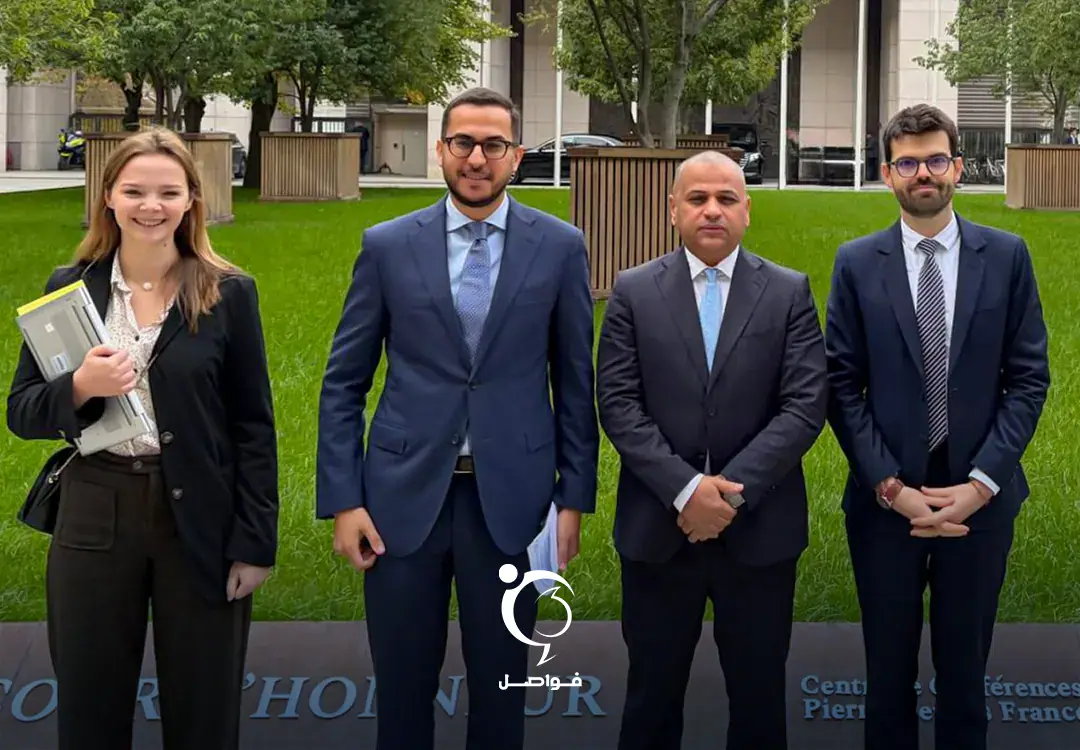
Libyan Investment Authority (LIA) head Ali Mahmoud met with French Treasury officials in Paris to discuss reinvesting Libya's frozen assets, currently valued at over $1 billion. The assets, frozen due to international sanctions, are comprised of deposits, financial investments, and real estate. The meeting, attended by Libyan acting ambassador to France Mohamed Hamouda, focused on the legal and technical aspects of managing LIA's assets in France.
The talks aim to improve the management of frozen assets and protect them from depreciation, in coordination with French authorities and under UN Security Council resolutions and international controls. This move is part of LIA's efforts to optimize its asset management under the current sanctions regime. The discussions build on an exception approved by the UN Security Council in January 2025, allowing for the reinvestment of some frozen Libyan assets into low-risk instruments.
The reinvestment is subject to approval by the sanctions committee and does not affect the overall freeze on assets and returns. UN Security Council Resolution 2819, adopted in April 2026, further established this mechanism. In July, the sanctions committee issued guidelines for its implementation. These developments have enabled LIA to explore options for reinvesting its frozen assets to maintain their value.
The Libyan Investment Authority's push to reinvest its frozen assets reflects its goal of maximizing returns while adhering to international sanctions. With over $1 billion in frozen assets in France, LIA is working to ensure that these funds do not lose value over time. This approach is crucial for Libya's economic interests, given the current global economic climate.
LIA's engagement with French Treasury officials demonstrates its commitment to proactive asset management under challenging circumstances. By seeking to reinvest frozen assets in low-risk instruments, LIA aims to safeguard Libya's financial interests abroad. This initiative underscores the importance of international cooperation in managing frozen assets and promoting economic stability.
The frozen assets in France represent a significant portion of Libya's international holdings. As such, LIA's efforts to reinvest these assets are critical to preserving Libya's economic potential. The reinvestment strategy is designed to ensure that these assets remain valuable and contribute to Libya's economic recovery when sanctions are lifted.
Libya's initiative to reinvest its frozen assets in France highlights the complexities of managing international assets under sanctions. Through its engagement with French authorities, LIA is working to balance the need to preserve asset value with the requirements of international sanctions. This effort is part of a broader strategy to protect and enhance Libya's economic interests globally.
Key points
- Libya seeks to reinvest over $1 billion in frozen assets in France to maintain their value under international sanctions.