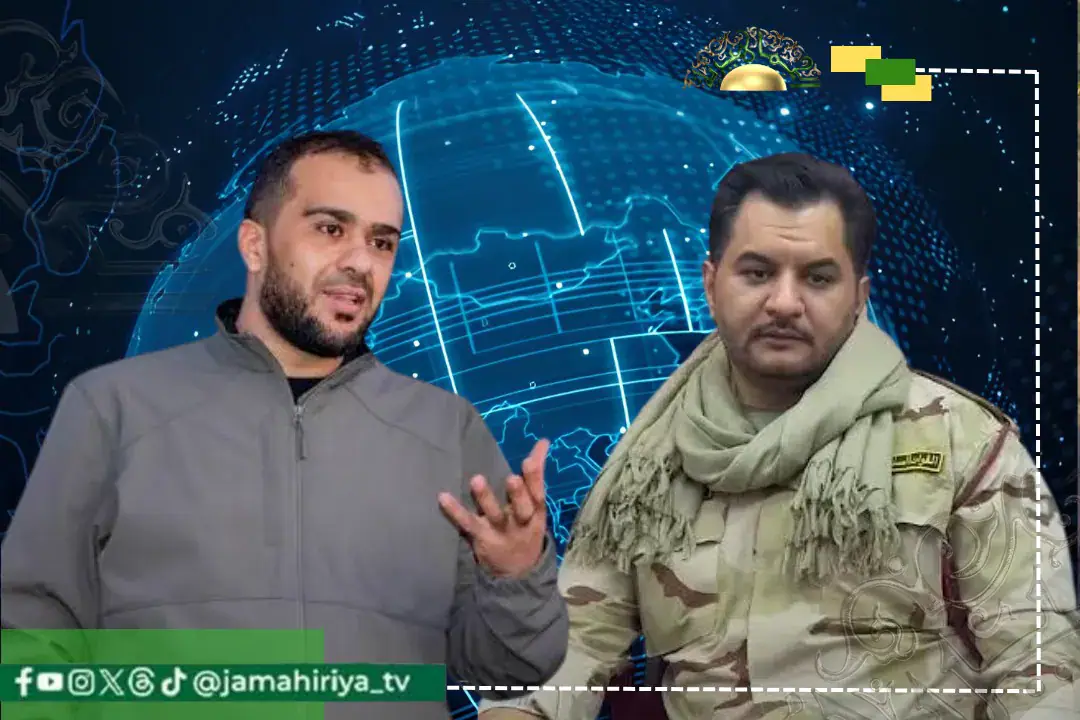
Libya's efforts to unify its military institution have hit a roadblock as talks between key stakeholders in Turkey failed to reach a final agreement. The negotiations, which took place on October 26-27, 2026, in Ankara, were attended by Sadam Hifter and Abdel Salam Al-Zubi. Despite making some initial progress, the talks ultimately stalled due to fundamental disagreements over the leadership and authority of the unified military institution.
A major point of contention was the role of the Presidential Council and the Ministry of Defense in the unified military structure. Sadam Hifter insisted that the Presidential Council, as the supreme commander of the armed forces, should be included in the agreement. In contrast, Abdel Salam Al-Zubi wanted the unified military institution to be under the Ministry of Defense, with the Presidential Council's role to be determined through the political process.
The talks did, however, achieve some preliminary understandings. The city of Sirte was proposed as the location for the unified military command center. The parties also discussed ways to distribute powers and responsibilities to prevent any one party from dominating the military decision-making process. Despite these tentative agreements, the talks ultimately failed to produce a comprehensive deal.
The Turkish-brokered talks took place against the backdrop of a recent development in Libya's international relations. On October 20, 2026, the Libyan House of Representatives approved a maritime agreement with Turkey, which had been signed in 2019. This move was met with objections from Egypt, Greece, and Cyprus. The agreement has significant implications for the region, and its approval has sparked concerns about the potential impact on regional security and stability.
In the aftermath of the failed talks, Libyan Prime Minister Abdul Hamid Al-Dbeiba held a phone conversation with Egyptian Intelligence Chief Hassan Rashad. The two officials emphasized the importance of addressing Egyptian concerns about Libya's maritime boundaries and economic zones through dialogue and coordination. This development highlights the complex web of regional relationships that Libya must navigate as it seeks to stabilize its institutions and economy.
The failure of the Ankara talks has significant implications for Libya's ongoing efforts to unify its institutions and stabilize the country. The setback may lead to a renewed focus on the UN-led peace process and the 4+4 committee, which brings together key stakeholders to discuss the country's transition. The international community, including Egypt, Algeria, and Tunisia, has emphasized the need for a Libyan-led solution that prioritizes national reconciliation and the holding of simultaneous presidential and parliamentary elections.
The failure of the talks has also sparked concerns about the potential for renewed conflict in Libya. The country's fragile security situation and the presence of foreign forces and mercenaries continue to pose significant challenges to stability. As Libya continues to navigate its complex transition, the international community will be watching closely for signs of progress and stability in the country.
Key points
- The talks failed to reach an agreement due to disagreements over the leadership and authority of the unified military institution.
- The city of Sirte was proposed as the location for the unified military command center.
- The failure of the talks may lead to a renewed focus on the UN-led peace process and the 4+4 committee.