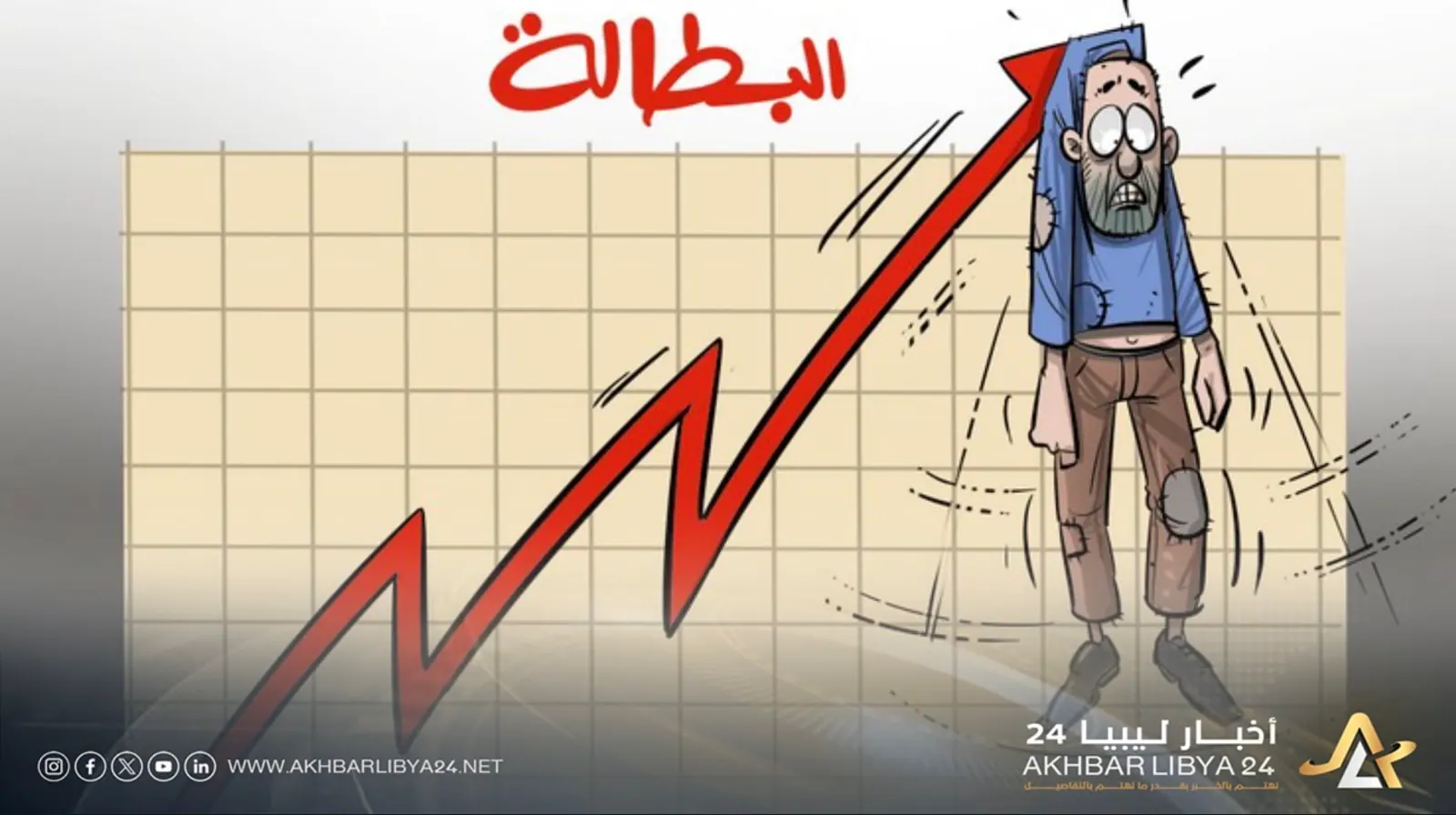
Libya is grappling with a significant youth unemployment challenge, with 50.1% of young people aged 15-24 unemployed in 2025, according to the World Bank, citing International Labor Organization estimates. This rate is high compared to other countries in the region. The issue is compounded by a large public sector, which employs 86.5% of workers, while the private sector only accounts for 14% of the workforce.
The Libyan economy remains heavily reliant on the oil sector, with the World Bank forecasting an average daily oil production of 1.35 million barrels in 2026. The country's economic growth is closely tied to the performance of the oil industry, making it vulnerable to fluctuations in global energy prices. The World Bank expects economic growth to slow to 4.5% in 2026 and 4% in 2027, highlighting the need for economic diversification.
The public sector wage bill is a significant burden on Libya's finances, accounting for around 30% of GDP, one of the highest ratios globally, according to the International Monetary Fund (IMF). The IMF also estimates that energy subsidies amount to 20% of GDP, which could be redirected towards investment and job creation. Libya's public finances face significant challenges, with a budget deficit of around 30% of GDP in 2025 and public debt reaching 146% of GDP.
The issue of government jobs and wages is complex, with many Libyans relying on public sector employment for their livelihoods. However, the IMF warns that unsustainable spending levels pose significant risks to the economy, including inflation, exchange rate volatility, and reduced purchasing power. To address these challenges, the IMF recommends reforming public spending, protecting vulnerable populations, and increasing non-oil revenue.
State-owned enterprises play a significant role in Libya's economy, with around 190 companies operating in strategic sectors such as oil, gas, finance, and infrastructure. However, the World Bank notes that these companies often suffer from losses, overstaffing, and weak governance, which can create market distortions and limit private sector growth and competition.
The Libyan economy needs to transition from a reliance on government jobs to a more diversified economy that can create sustainable employment opportunities. The private sector must play a more significant role in job creation, but it currently faces significant challenges, including limited access to finance and a lack of investment. The World Bank emphasizes the need for reforms to improve the business environment, increase investment, and promote economic diversification.
Ultimately, Libya's economic challenges are not solely due to a lack of resources but rather the country's ability to convert its wealth into sustainable growth, jobs, and income for its citizens. The country's reliance on oil revenue and large public sector wage bill creates significant economic and social challenges, including high youth unemployment. Addressing these challenges will require a comprehensive reform program that promotes economic diversification, improves governance, and increases private sector participation.
Key points
- Libya's youth unemployment rate reached 50.1% in 2025.
- The public sector accounts for 86.5% of employment in Libya.
- The country's economic growth is closely tied to the performance of the oil industry.