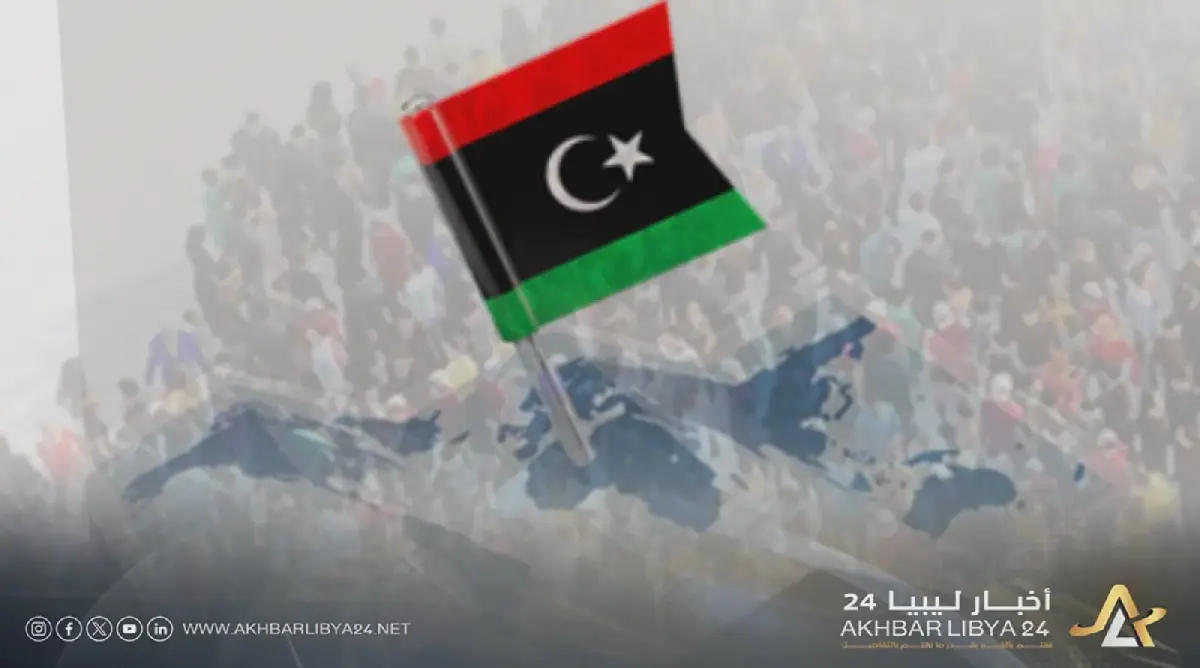
Libya's ongoing crisis has evolved into a complex issue that cannot be resolved through traditional political agreements focused on distributing power and allocating quotas among rival parties. The country's future is now directly linked to how its national wealth is managed, its sovereign institutions are protected, and its financial and oil decisions are made, free from the influence of political rivalries and centers of power.
According to political analyst Hossam Al-Fanish, the economy is no longer a secondary issue to the political process but a crucial aspect of the required settlement and a necessary condition for its success. He emphasizes that the problem lies not only in the identity of those managing these institutions but also in the administrative and legal structure governing their operations and their ability to make independent decisions.
Al-Fanish argues that any political understanding that only changes personnel without reviewing the organizational structures, laws, regulations, and oversight mechanisms will not lead to real change. What is needed is to restructure and unify these institutions, establish professional standards for selecting leadership based on competence, experience, and integrity, and prevent the use of sovereign positions as tools to consolidate influence or reward political allies.
In the financial sector, Al-Fanish warns against considering the unification of the budget as an independent solution to the economic crisis, stressing that this step loses much of its value if not accompanied by comprehensive reform in public finance management. This includes controlling public spending, unifying economic decision-making, enhancing transparency, and establishing fair rules for resource distribution.
The process of reforming Libya's economic and sovereign institutions requires the participation of specialists from various fields, including economics, finance, oil, law, and administration. This approach ensures that decision-making is not solely in the hands of political actors and that solutions are realistic and sustainable.
The debate over expanding the political dialogue in Libya, including the enlargement of the negotiating committee and the addition of new parties, raises questions about the effectiveness of such a move. Al-Fanish suggests that increasing the number of participants should not be merely a mathematical exercise but rather an opportunity to introduce independent experts into the process.
The inclusion of independent experts in the dialogue process could provide a way forward by focusing on the technical and institutional aspects of rebuilding the state. This approach could help in establishing a stable national system based on independent institutions and accountability, rather than the dominance of centers of power and militias.
Key points
- The crisis in Libya requires a shift from negotiating the distribution of power to agreeing on how to manage the country's wealth and ensure the independence of its institutions.
- The inclusion of independent experts in the political dialogue could help in establishing a stable national system based on independent institutions and accountability.
- The success of any political settlement in Libya will be measured by its ability to build independent institutions, unify financial and economic decision-making, and protect national wealth from political manipulation.