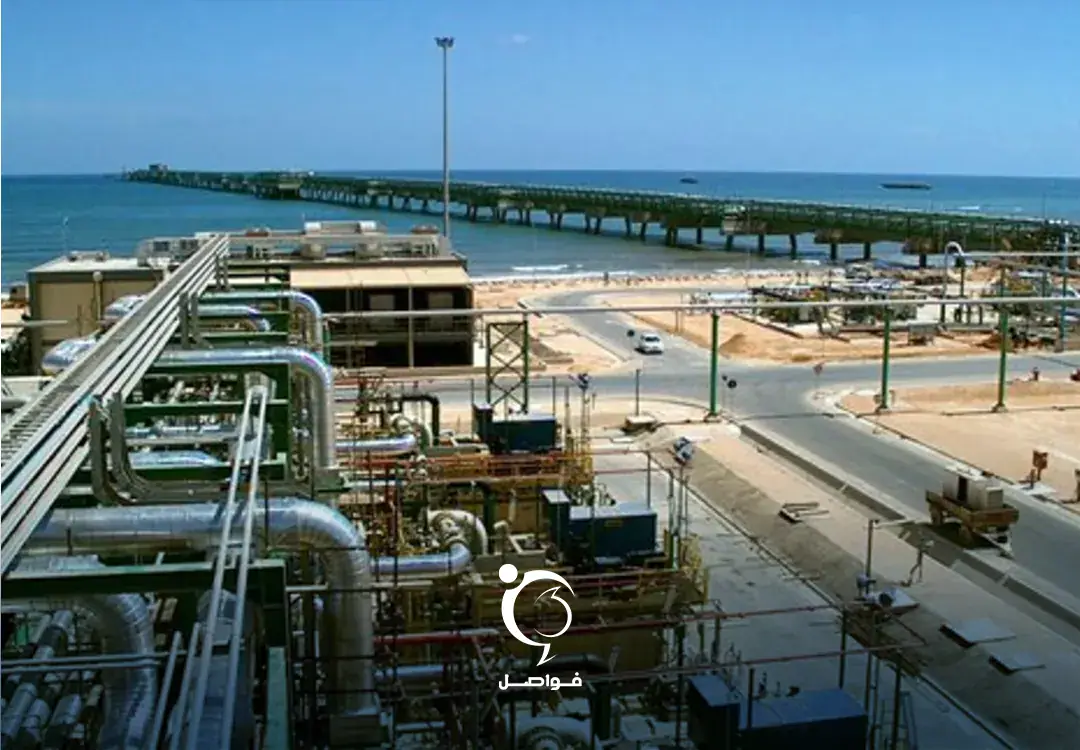
Libya's natural gas production reached 25.58 billion cubic meters in 2025, a 0.9% decrease from the previous year. The country burned 4.43 billion cubic meters of gas, a 3.3% increase from 2024, accounting for over 17% of its production. This is according to a report by the Italian agency Nova, citing data from the Libyan Audit Office for 2025.
The country's gas exports to Italy via the Green Stream pipeline, which has a design capacity of 11.5 billion cubic meters per year, totaled only 918 million cubic meters in 2025. This represents about 8% of the pipeline's capacity. Despite efforts by Italian company Eni to boost investments in Libya's gas sector, exports have not seen a significant increase.
Eni won an exploration block and modified its partnership agreement with the National Oil Corporation, increasing the foreign partner's share by 9 percentage points. The deal included a joint investment commitment of $8 billion to develop offshore fields through the Mellita Oil and Gas Company. However, the National Oil Corporation has not announced tangible results in increasing exports or reducing reliance on gas purchases.
Libya spends around $1 billion annually to buy gas from its Italian partner at European prices, which are three times higher than international prices. This situation is paradoxical, given that the country burns large quantities of gas domestically while importing gas at high prices. The country's infrastructure challenges and declining production from existing fields contribute to this issue.
According to the World Bank, Libya is among nine countries responsible for over 80% of global gas flaring. The country's gas flaring increased by 15% in 2026, based on satellite data published by the World Bank in June 2026. This trend continues despite efforts to address infrastructure bottlenecks and rising domestic electricity demand.
The National Oil Corporation has not provided clear explanations for the delays in implementing announced projects or increasing gas exports. The company's efforts to boost production and exports are crucial to addressing Libya's energy challenges and reducing its reliance on gas imports.
The Italian agency Nova reported that Libya's gas production and export trends are concerning, given the country's significant gas reserves and its role as a gas supplier to Europe. The situation highlights the need for Libya to address its infrastructure challenges and optimize its gas production and export capabilities.
Key points
- Libya burned 4.43 billion cubic meters of natural gas in 2025, five times the amount it exported to Italy.
- The country's gas exports to Italy via the Green Stream pipeline totaled only 918 million cubic meters in 2025, about 8% of the pipeline's capacity.
- Libya spends around $1 billion annually to buy gas from its Italian partner at European prices, which are three times higher than international prices.
Reporting sources
- ليبيا تحرق من الغاز خمسة أضعاف ما تصدّره إلى إيطاليا · fawaselmedia.com