Libya has seen a significant increase in the number of scientists affiliated with Libyan institutions who are ranked among the top 2% of scientists globally for 2026. According to data from TOPSCINET, a website specializing in the classification of scientists and researchers, this number has risen to 14. This marks a 133.3% increase from 2025, when there were only 6 Libyan scientists on the list.
The growth in the number of Libyan scientists recognized for their contributions is not limited to the annual ranking. The number of scientists included in the lifetime career impact list has also increased, from 2 to 6. This 200% increase has propelled Libya to the 109th position globally in this category, an improvement of 21 places from the previous year.
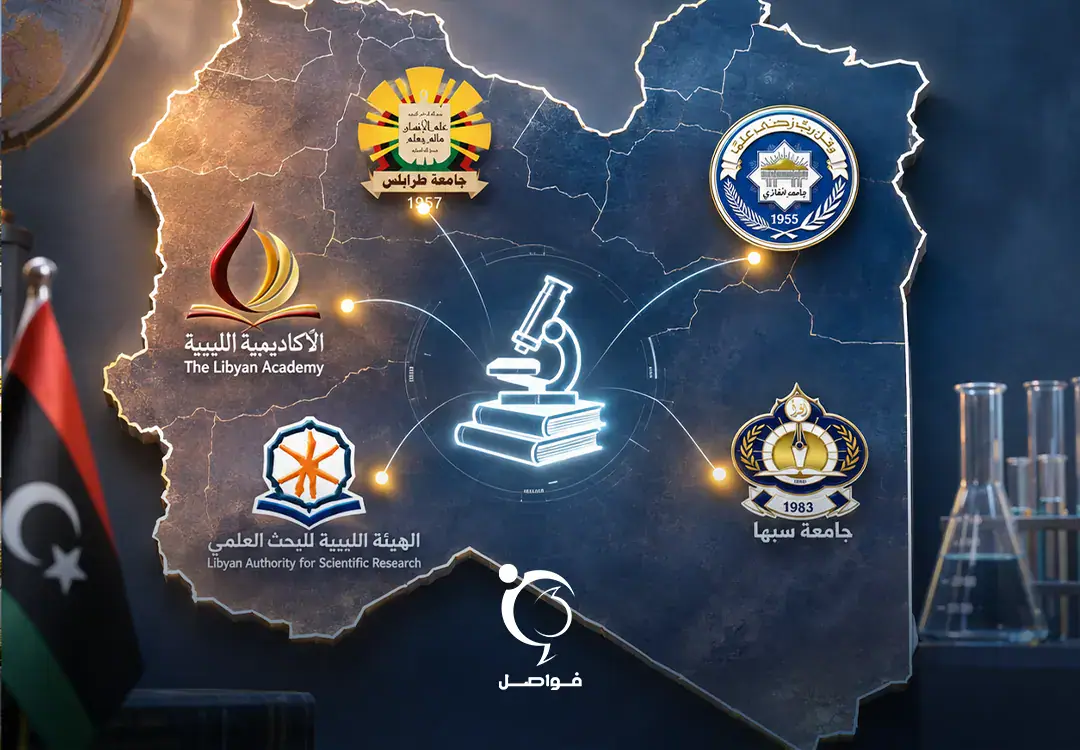
The Libyan institutions with the most scientists in the top 2% for 2026 are the Libyan Authority for Scientific Research, with three scientists, followed by the University of Tripoli and the University of Zawiya, each with two scientists. Other institutions represented include the University of Sabha, the University of Benghazi, the Alasmarya University, and the Arab Gulf Oil Company.
On a regional level, Egypt leads with 1307 scientists featured in the annual ranking, followed by Morocco with 185 scientists, Algeria with 101, and Tunisia with 91 scientists. In comparison, Libya has 14 scientists recognized in the list. The rankings are based on a scientific database compiled by researcher John Ioannidis and his colleagues, published through the “Elsevier” scientific publishing house database.
The TOPSCINET rankings are derived from citation metrics recorded in the “Scopus” database. The list includes two separate rankings: one measuring the research impact over the past year and the other assessing the cumulative impact of a researcher’s career. These metrics include the number of citations and the nature of contributions to scientific publications.
The increase in the number of top-ranked Libyan scientists reflects positively on the country’s scientific output and collaboration. However, it is essential to consider various factors that could influence these numbers, including institutional support, research funding, and international collaborations.
As Libya continues to develop its scientific community, it will be interesting to observe future trends in the number of top scientists and the impact of their research. The growth from 6 to 14 scientists in just one year indicates a potential upward trajectory for Libyan research and its global recognition.
Key points
- Libya has 14 scientists in the top 2% globally for 2026.
- The number of Libyan scientists in the top 2% increased by 133.3% from 2025 to 2026.
- The Libyan Authority for Scientific Research leads with three scientists in the top 2% list.
Reporting sources
- ليبيا ترفع عدد باحثيها إلى 14 باحثًا في 2026 ضمن أفضل 2% من علماء العالم · fawaselmedia.com