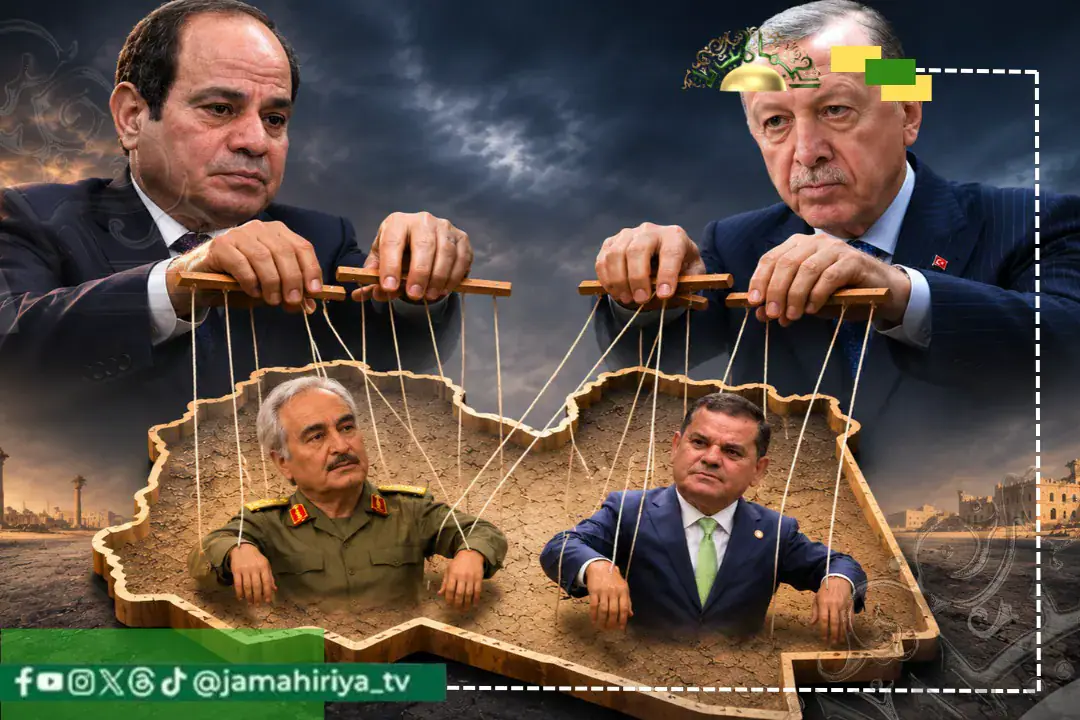
The recent visit of Libya's Abdul Hamid Dbeibah to Egypt has shed light on the changing dynamics between Egypt and Turkey in Libya. According to a report by Middle East Online, Dbeibah's trip was part of a larger shift in the political landscape of Libya. The report suggests that Cairo has abandoned its allies in eastern Libya and formed new alliances in the west, with Dbeibah replacing Khalifa Haftar. This development has significant implications for the region.
The visit, which took place on Wednesday and Thursday, was marked by a warm reception and a meeting with Egyptian President Abdel Fattah El-Sisi. The trip resulted in the signing of several economic agreements aimed at strengthening ties between Cairo and Tripoli. This new chapter in their relations comes after a period of tensions and closed diplomatic channels. Egypt's foreign minister, Badr Abdelatty, and head of general intelligence, Hassan Rashad, had previously visited Tripoli.
The new developments have sparked anger among the eastern Libya camp, with some viewing the move as a punishment for changing allegiances and sharing opportunities with Turkey. The recent approval of a maritime border agreement between Turkey and Libya by the Libyan parliament has further complicated matters. This agreement, which was initially rejected in 2019, has led to a reevaluation of alliances in the region.
According to the report, Egypt's new approach towards western Libya is a response to the shifting balances in the region. Both Egypt and Turkey have significant interests in Libya, but their strategies differ. While Egypt cannot afford to abandon eastern Libya, Turkey is committed to maintaining its relationships in western Libya. This has led to a reorientation of alliances and a more nuanced approach to regional politics.
The changing dynamics in Libya have significant implications for the country's future. The report suggests that Libya has become an open space for multiple balances, with various international players vying for influence. This shift is likely to have far-reaching consequences for the region, with Libya's leaders seeking to navigate the complex web of alliances and rivalries.
The recent developments in Libya highlight the country's strategic importance and the challenges it faces in maintaining its sovereignty. With multiple international players involved, Libya's leaders must carefully balance their relationships to ensure the country's stability and prosperity. The country's future will depend on its ability to navigate these complex dynamics and assert its independence.
In conclusion, the shifting alliances in Libya have significant implications for the region and the country as a whole. As Libya becomes an increasingly important player in international politics, its leaders must carefully navigate the complex web of alliances and rivalries to ensure the country's stability and prosperity. The international community will be watching closely as Libya navigates these challenges and seeks to assert its independence.
Key points
- Egypt and Turkey are reorienting their alliances in Libya in response to changing regional dynamics.