Senegalese President Bassirou Diomaye Faye has implemented the 2026 amended budget by presidential decree, following its rejection by the National Assembly earlier in November. The decree, numbered 2026-2416, was issued on November 19 and signed by the President's General Secretary, Omar Samba Ba. According to the presidential statement, the President acted in his capacity as guardian of the constitution and guarantor of the regular functioning of the authorities and continuity of the state.
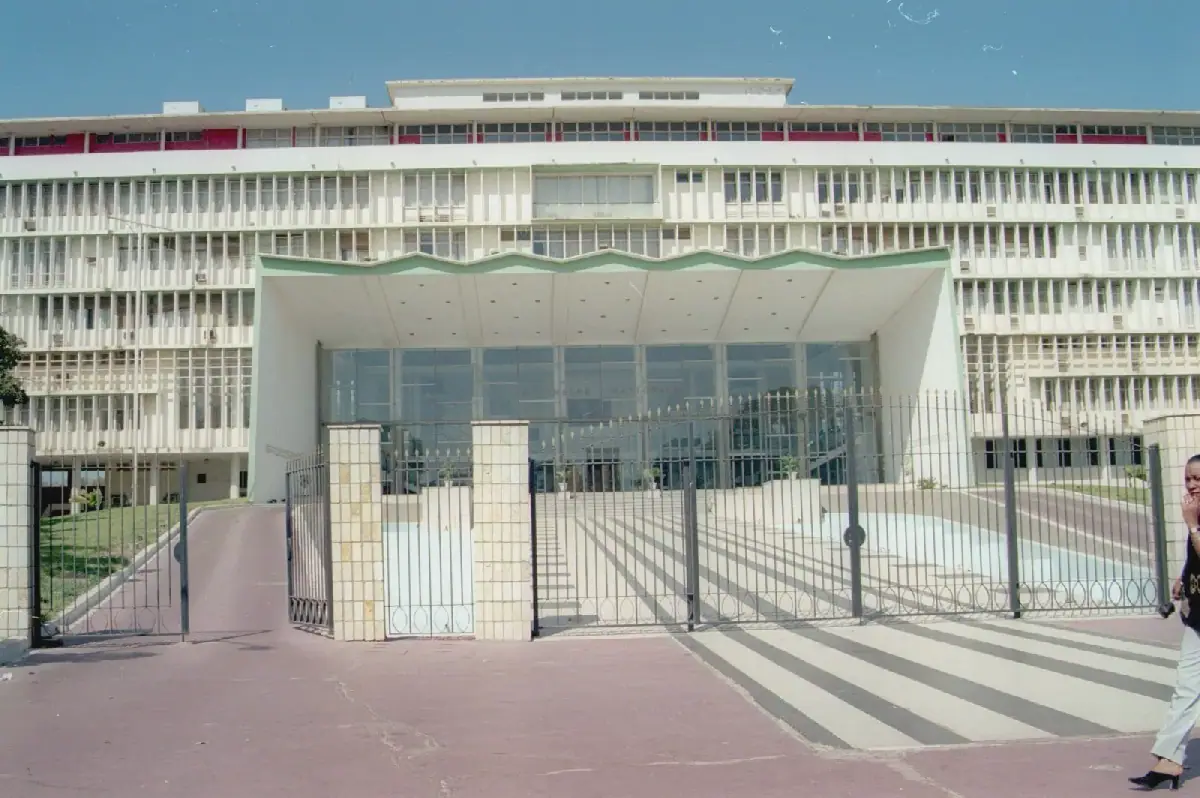
The National Assembly had rejected the budget on November 3, with 126 votes against it, after initially ignoring 17 proxy votes. The rejection was led by the opposition party, "Pastef," which holds 130 out of 165 seats in the Assembly. Pastef's leader, Ousmane Sonko, described the decree as "non-existent in law," while party member Ngouda Mboup stated that the rejection was a final decision made within the constitutional deadline.
The presidential decree cites Article 68 of the Constitution, which grants parliament a maximum of 60 days to vote on the finance bill and allows the President to implement it by decree if it is not voted on within this timeframe. The budget was submitted on September 18, with one of its main objectives being to cover energy subsidy costs. The implementation of the budget by decree has sparked controversy, with some constitutional experts, like Babacar Gueye, arguing that Article 68 only applies to the original finance bill, not the amended one.
The opposition party, Pastef, has expressed concerns over the President's decision, with Sonko emphasizing the importance of respecting the National Assembly's powers. However, former Prime Minister Aminata Touré welcomed the move. The development comes amid a tense relationship between the President and the opposition, which had previously led to the expulsion of President Faye and 31 of his supporters from the Assembly.
The rejection of the budget and the subsequent decree have raised concerns about the potential impact on Senegal's economic program with the International Monetary Fund. Finance Minister Cheikh Diba had warned that the current uncertainty could complicate the program. The opposition's actions have also sparked speculation about the possibility of the President dissolving the parliament, which could happen as early as December 2.
The situation has highlighted the ongoing tensions between the executive and legislative branches in Senegal. The President's decision to implement the budget by decree has been seen as a move to assert his authority, while the opposition has vowed to continue challenging the government's actions. The controversy has also raised questions about the interpretation of the Constitution and the limits of the President's powers.
The implementation of the 2026 budget by decree has significant implications for Senegal's economic and political landscape. The country is currently facing challenges in managing its energy sector, and the budget is critical to addressing these issues. The President's decision has also sparked a wider debate about the role of the National Assembly and the balance of power between the executive and legislative branches.
Key points
- President Diomaye Faye implemented the 2026 budget by decree after parliament rejected it.
- The rejection and subsequent decree have sparked controversy and concerns about the potential impact on Senegal's economic program with the International Monetary Fund.
- The situation has highlighted ongoing tensions between the executive and legislative branches in Senegal.