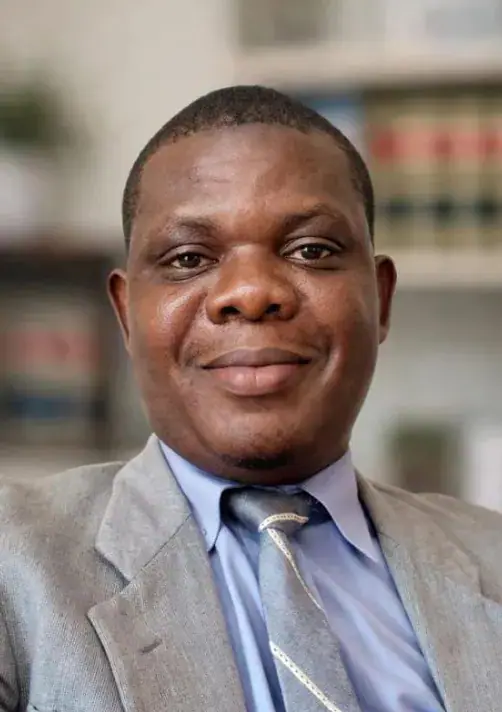
A government prosecutor in Liberia has publicly criticized the Liberia National Police for what he calls "selective justice" in its traffic enforcement. City Solicitor and Prosecutor Wonlue Garpue stated that commercial tricycle riders are being unfairly targeted with fines while taxis and private cars operating as unofficial taxis are left unpunished. Garpue emphasized that he supports the police's road safety drive but urged them to apply the law equally to all.
Tricycle riders, known locally as "kehkeh," are fined $50 for carrying two passengers in the front seat, a heavy penalty in a country where many people live on a few dollars a day. Garpue argued that if this offense is considered a danger, then taxi drivers who regularly carry more passengers should also be stopped. He pointed out that private cars running unofficial taxi services on certain routes have no commercial plates, are not painted yellow, and carry no passenger insurance, yet are never ticketed.
Garpue questioned why only tricycle riders are being targeted, asking, "Kehkeh riders are also Liberians. They are young men trying to feed their families. We should not use them as easy targets for $50 fines while taxis and private cars go free." He called on the police to set up checkpoints that stop all types of vehicles, not just tricycles, to ensure true road safety and justice. Garpue emphasized that he is not defending riders who break the law but advocating for fairness.
The issue has sparked a debate about equality before the law and road safety in Liberia. The 2018 Amended Vehicle and Traffic Law exempts certain officials from traffic stops, including the President, Vice President, and lawmakers. Critics argue that this law permits exemptions from traffic stops and shields officials from enforcement measures, raising concerns about equality and road safety. Some officials have been cited for traffic offenses, including former Solicitor General Cllr. Syrenius Cephus, who was fined $50 for operating a vehicle with expired registration.
The Liberia National Police face challenges in enforcing traffic laws, including a shortage of manpower and resources. Police Inspector General Gregory Coleman has stated that motorcyclists and tricycle riders have the highest accident rates, with 478 traffic accidents recorded in the first three months of 2026, resulting in 71 deaths and 309 injuries. Coleman has urged lawmakers to supplement the police's budget with additional funding to address these challenges.
The tricycle riders' union has expressed concerns about the financial burden of fines on its members. Kollie Z. Koiyan, president of the Liberia Tricycle and Motorcycle Association, stated that a brand new tricycle costs $3,500, and members pay $150 to register their vehicles and obtain a license plate. Riders also pay $130 for insurance and $35 for a license. In May 2025, commercial drivers staged a go-slow protest, accusing the police of issuing multiple, high-cost tickets for minor offenses.
The controversy highlights the need for equal enforcement of traffic laws in Liberia. Garpue's criticism of the police is unusual, as both institutions are part of the same justice system. The issue has sparked a wider debate about accountability and fairness in Liberia's justice system.
Key points
- The Liberia National Police face challenges in enforcing traffic laws, including a shortage of manpower and resources.
- The 2018 Amended Vehicle and Traffic Law exempts certain officials from traffic stops, raising concerns about equality and road safety.
- Tricycle riders are being unfairly targeted with $50 fines for carrying two passengers in the front seat, while taxis and private cars with similar offenses are left unpunished.