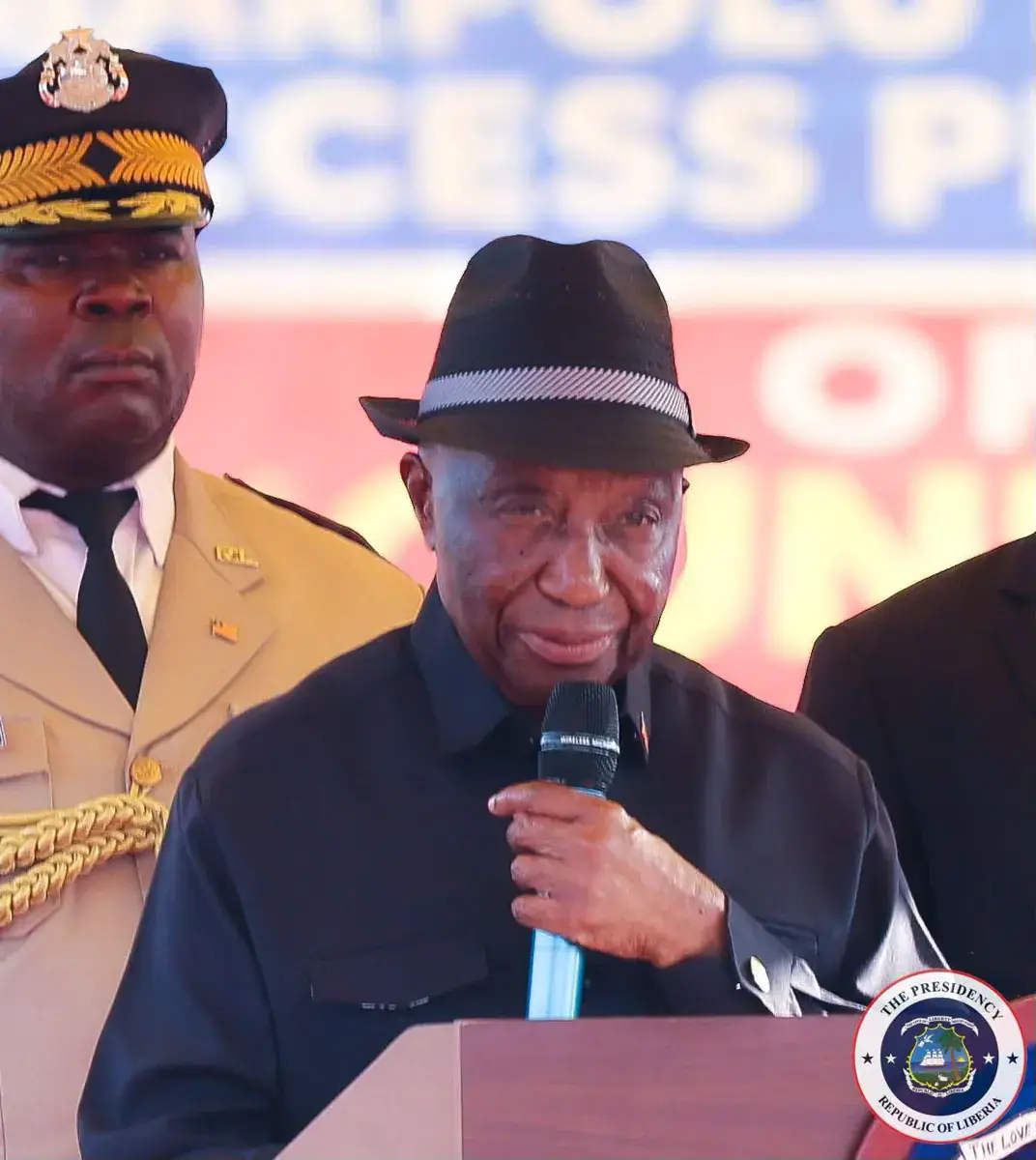
Liberian President Joseph Nyuma Boakai Sr. has emphasized the need for an inclusive national budget that directly benefits ordinary citizens. At the 26th Cabinet Meeting, he stated that the budget "has to show on the people." The President highlighted the importance of factoring in previously overlooked groups, such as youth groups, commercial motorcycle riders, and the Boy Scouts. This move aims to ensure that marginalized populations feel a sense of belonging and responsibility within the state.
President Boakai commended the collective efforts of public officials in driving positive developments across the country. He acknowledged the progress made in domestic revenue collection, lauding the Ministry of Finance and Development Planning (MFDP) and associated revenue agencies for their diligent work. The President's focus on the national budget and revenue-generating institutions underscores his administration's commitment to economic growth and livelihoods.
The President's emphasis on performance and record-keeping is a key aspect of his administration's agenda. He stressed that public service demands transparency and rigorous record-keeping, stating that "the thing we continue to talk about in government is performance, performance, performance, and not just performance, but records for accountability." This approach aims to promote accountability and efficient use of resources.
President Boakai acknowledged the challenges posed by inherited laws and systemic arrangements but urged cabinet members to view these challenges as tasks to be solved rather than grounds for complaint. He emphasized the need for teamwork and collaboration to drive progress. The President's leadership style and vision for the country's development were evident in his address to the cabinet meeting.
The President touched on broader economic stability, acknowledging global economic challenges but expressing relief that prudent fiscal management has shielded the country from severe disruptions. He noted that essential commodities like rice remain affordable and available, and fuel shortages have been prevented. This stability provides a foundation for sustainable economic growth.
President Boakai issued a strong call to open up the economy and scale up production, particularly through the agriculture sector. He urged the Ministry of Agriculture (MOA) and relevant stakeholders to position the nation for robust food production and long-term economic resilience. The introduction of new farming equipment and a departure from traditional subsistence methods are key aspects of this strategy.
The cabinet meeting also discussed other key issues, including the government employees housing initiative framework and the Pathways for Youth Empowerment and Development. The Director of Cabinet, Nathaniel Kwabo, introduced the newly appointed Minister of National Defense, Cllr. Oswald N. Tweh, who had previously served as Minister of Justice and Attorney General. The meeting demonstrated the administration's commitment to inclusive development and youth empowerment.
Key points
- President Boakai's administration prioritizes an inclusive budget that benefits ordinary citizens.
- The President emphasizes performance, record-keeping, and accountability in public service.
- The administration aims to drive economic growth through sustainable agriculture practices and prudent fiscal management.