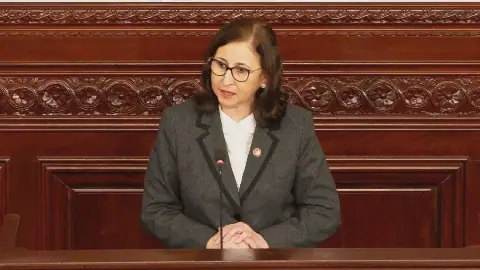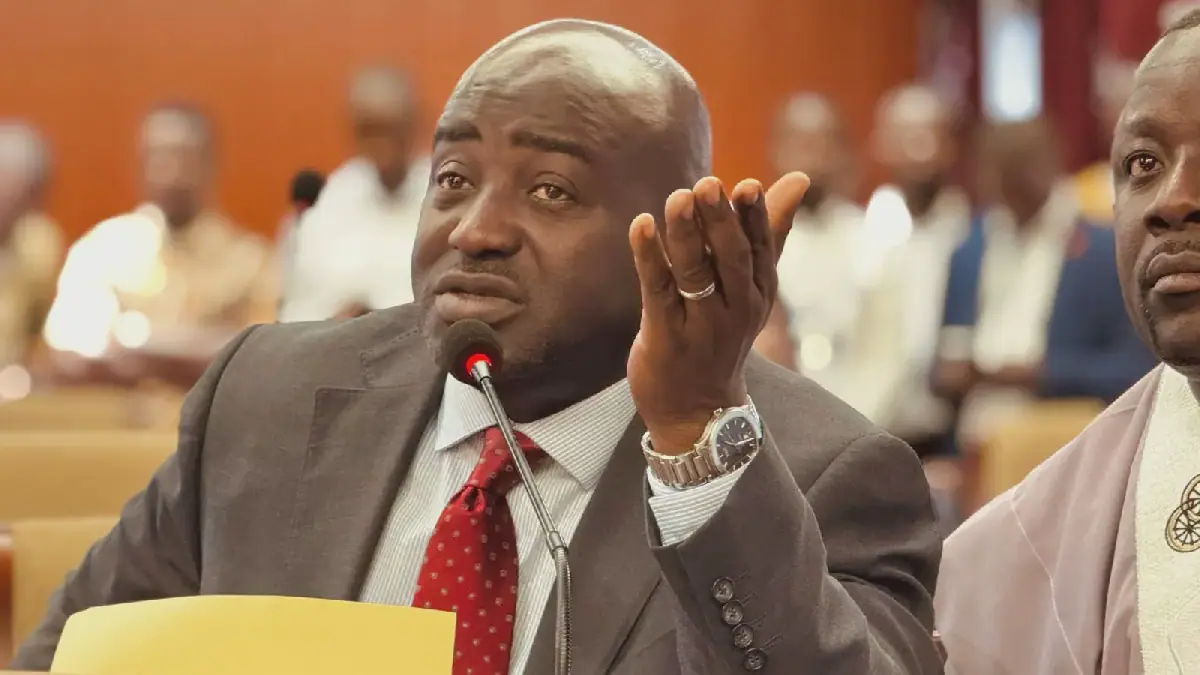
Liberian writer and analyst Musa Hassan Bility has expressed concerns over the hypocrisy exhibited in the selection of leaders in Liberia. In a recent letter, Bility noted that while Liberians celebrate the success of their compatriots abroad, they often reject individuals from certain ethnic or religious backgrounds at home. He cited the example of how some Liberians encourage and celebrate the election of Liberian immigrants in the United States, yet turn around and reject Liberian-born individuals from specific ethnic or religious groups.
Bility argued that Liberia's diverse ethnic and cultural heritage should be a strength, not a weakness. He pointed out that many Liberian communities have historical ties with neighboring countries, and that these connections should not be used as grounds for suspicion or rejection. The writer emphasized that no tribe should be collectively guilty, and no citizen should have to defend their belonging due to their ethnic or religious background.
The author also drew attention to Liberia's history, highlighting that the country's first president, Joseph Jenkins Roberts, was born in Virginia, and several early presidents were born outside Liberia. Bility noted that 11 of Liberia's 24 individual presidents were born outside Liberia, including ten in the United States and one in Barbados. Despite this, Liberian-born individuals from certain ethnic or religious backgrounds are often told they are not entitled to serve.
Bility criticized the double standard applied to development partnerships with foreign countries. He noted that Liberia welcomes contributions from Arab development partners, such as the Saudi Fund, the Kuwait Fund, and the United Arab Emirates, without questioning their motives or faith. However, when a Liberian citizen from a specific ethnic or religious background offers to contribute to national development, they are often rejected due to their background.
The writer also reflected on Liberia's painful wartime history, citing the support received by Charles Taylor's movement from Libya and Burkina Faso. Bility argued that during that time, Muslim support was acceptable in a power struggle, but now a Muslim citizen becomes unacceptable in a peaceful contest to serve. He emphasized that the country's problems, such as hunger and lack of education, affect people across all ethnic and religious lines.
Bility called for a more nuanced and inclusive approach to leadership selection in Liberia. He urged Liberians to examine a person's record, competence, integrity, and plans, rather than relying on prejudice. The writer expressed his desire for his daughters and all Liberian children to inherit a country where ability receives a fair hearing, and citizenship requires no ancestral defense.
Bility concluded by stating that he will confront this prejudice peacefully and openly, emphasizing that the suffering of Liberian people is too urgent to be debated along ethnic or religious lines. He called for leaders who can discuss the economy, defend their decisions, and explain how families will earn a living, beyond prepared speeches and slogans.
Key points
- Liberian writer Musa Hassan Bility criticizes the hypocrisy in selecting leaders based on ethnicity and religion.
- Bility argues that Liberia's diverse heritage should be a strength, not a weakness.
- The writer calls for a more inclusive approach to leadership selection, focusing on competence and integrity rather than prejudice.
Reporting sources
- LETTER FROM SACLEPEA-The Hypocrisy We Must Confront · The Analyst