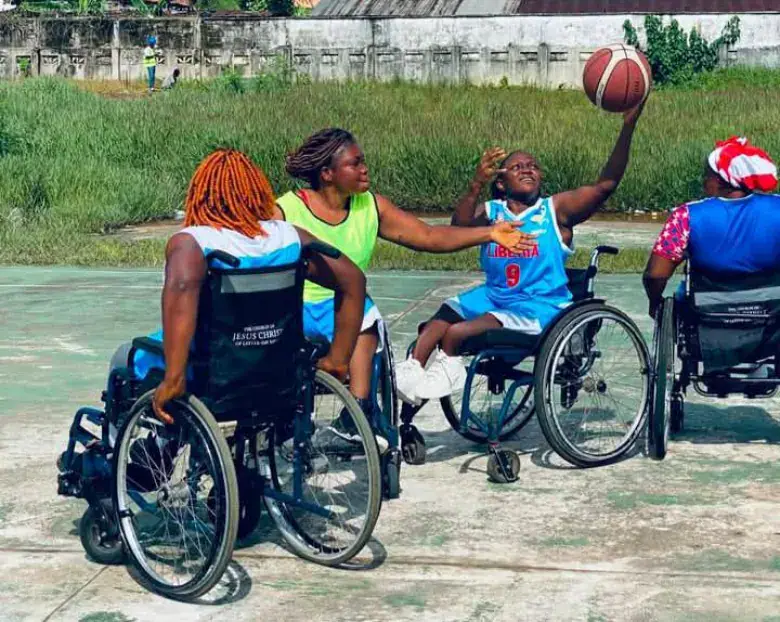
Athletes living with disabilities in Liberia face significant challenges in pursuing their sporting dreams. Limited access to specialized facilities, equipment, and training opportunities hinders their ability to compete and represent their country. The proposed Liberia National Disability Sports Village aims to address these barriers and provide a dedicated home for disability sports. The project, estimated to cost between $261 million and $506 million, seeks to establish a national high-performance wheelchair basketball center and expand into an international sports destination.
The proposed project, founded by Amb. S. Lionel Johnson, envisions a future where athletes with disabilities have greater opportunities to shine. The village will provide accessible sports facilities, specialized coaching, sports medicine, and technical support. If realized, it could create employment opportunities, attract international partnerships, and give greater visibility to Liberian athletes with disabilities. The project plan aligns with the Government of Liberia's priorities, including human capital development, infrastructure, inclusion, and opportunities for persons with disabilities.
The Liberia National Disability Sports Village comes at a time when the Government of Liberia is implementing its ARREST Agenda for Inclusive Development (AAID) and the 2025–2029 National Development Plan. The plan prioritizes agriculture, roads, rule of law, education, sanitation, and tourism, as well as human capital development, infrastructure, inclusion, and opportunities for persons with disabilities. The LNDSV could complement these priorities by creating opportunities in sports, rehabilitation, vocational training, and employment while promoting greater participation by persons with disabilities in national life.
The ARREST Agenda's Program 52 specifically addresses inclusive sports and recreational infrastructure. Its stated objectives include developing inclusive sports centers, expanding rehabilitation and recreation services, nurturing sporting talent, and improving opportunities for young Liberians to compete internationally. The proposed village could play a crucial role in achieving these objectives and providing a more inclusive sporting future for Liberia.
However, the ambition faces a major hurdle: funding. The plan proposes support from the Government of Liberia, development banks, international partners, donors, and private investors. Nevertheless, the projected financing remains to be secured, with feasibility studies and detailed designs still required. For the dream to become reality, the project must go beyond construction, and athletes with disabilities must have a meaningful voice in shaping the facilities.
Long-term plans must ensure that training, equipment, and support services remain accessible and affordable. If successfully implemented, the village could mark an important step toward a more inclusive sporting future for Liberia. Johnson emphasizes that the vision represents an opportunity to help create a space where disability does not define an athlete's limits, but where talent, determination, and opportunity can take center stage.
The greatest measure of this dream will not be the size of the investment, but the lives it changes and whether every athlete, regardless of disability, gets a fair chance to compete, belong, and succeed. The proposed Liberia National Disability Sports Village has the potential to transform the lives of athletes with disabilities and promote greater inclusion in Liberian society.
Key points
- The proposed Liberia National Disability Sports Village could provide accessible facilities and opportunities for athletes with disabilities.
- The project aligns with the Government of Liberia's priorities, including human capital development, infrastructure, inclusion, and opportunities for persons with disabilities.
- The ambition faces a major hurdle: funding, with feasibility studies and detailed designs still required.