The Strengthening Integration through Vocational Education (STRIVE) project in Liberia is addressing the challenge of ensuring that technical and vocational education and training (TVET) translates into jobs, apprenticeships, viable businesses, or modern equipment skills. Funded by the Agence Française de Développement (AFD) with €10 million and implemented by the European Institute for Cooperation and Development (IECD), STRIVE aims to strengthen vocational training, improve employability, and connect training with labor-market needs.
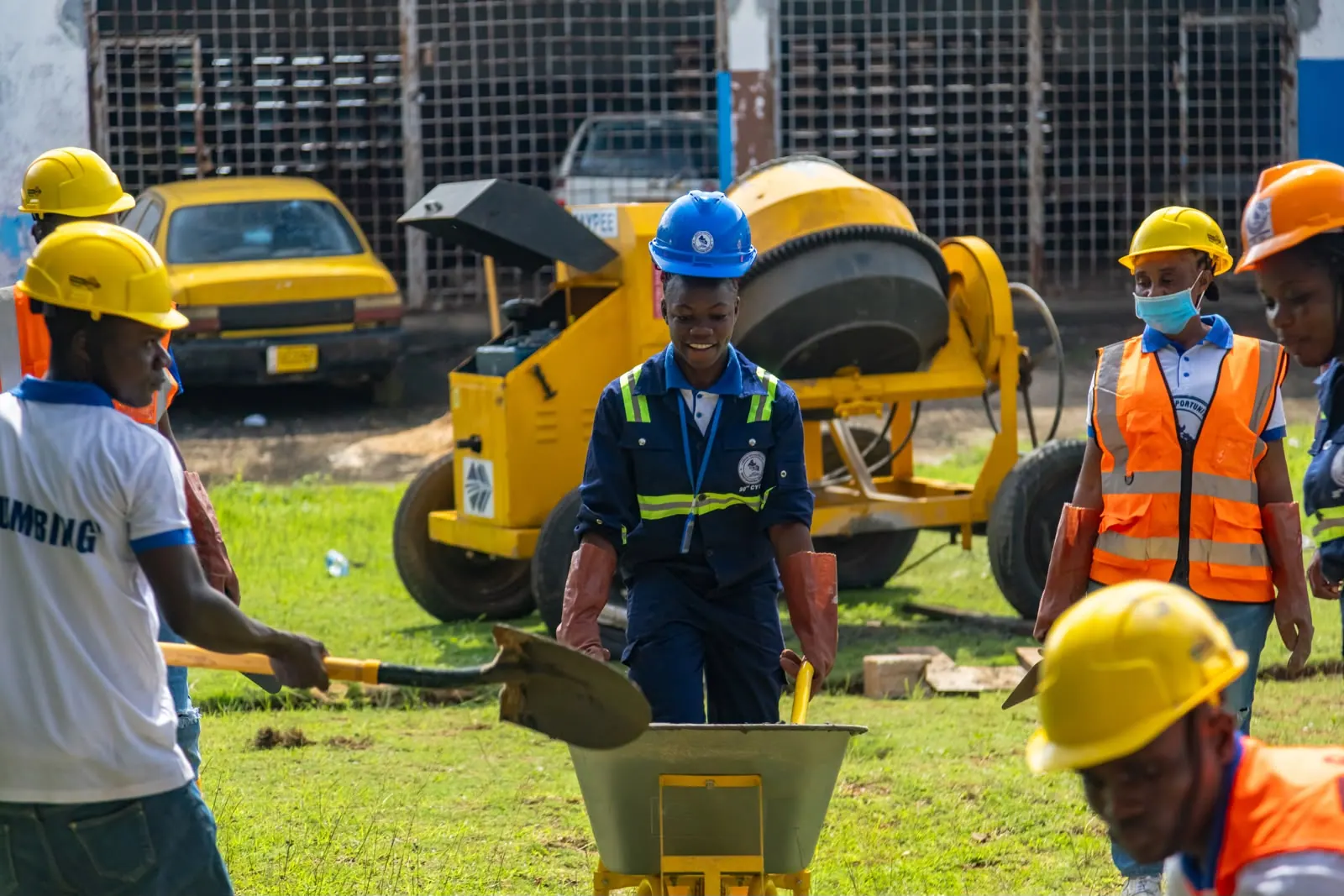
The project has made significant progress, with the IECD reporting that it has responded to a fragmented system with different curricula and certification approaches. At the Booker Washington Institute (BWI) in Kakata, Margibi County, the project has changed teaching methods, introducing a standardized curriculum and new pedagogy. According to George K. Fredericks, Associate Coordinator of the Medical Science Department, including Hospitality, the new curriculum is student-centered and includes approximately 80 percent hands-on training.
The shift in teaching methods is visible in hospitality, where students are now using modern equipment, unlike in the past when they used traditional means of cooking. The project has also provided new equipment to TVET institutions, enabling students to operate modern machinery. Fredericks noted that this has made a significant difference, as students are now better prepared for the job market.
The STRIVE project has also partnered with industry and the private sector, including Firestone Liberia, to provide internships and industrial visits. According to Alpha M. Jallo, Electrical Services Manager at Firestone Liberia, the company's partnership with IECD dates back to 2023 and includes curriculum development, internships, and industrial visits. Jallo noted that insufficient industrial exposure is a major weakness among young workers.
The project has initially targeted nine centers and 2,000 young people, with a focus on areas such as electricity, hospitality, masonry, and agriculture. IECD says STRIVE strengthens centers, modernizes frameworks, provides equipment, and aligns training with labor needs. In April 2026, 40 TVET staff graduated from STRIVE-supported training at BWI, while newly equipped masonry and hospitality workshops were handed over.
Despite the progress made, challenges remain, including the need for employers to view internships as learning opportunities rather than paid positions. Fredericks noted that most industries expect to pay students for job training, which can be a barrier to absorption. He also suggested that the STRIVE program could include instructors visiting major industrial areas to expose them more.
The broader objective of the STRIVE project is to create a bridge between what Liberia teaches and what its economy needs. For AFD, STRIVE responds to youth employment through vocational training; for IECD, the focus includes TVET stakeholders, employability, and economic opportunities. The transformation may depend on training centers, government, development partners, and employers ensuring skills remain relevant after graduation.
Key points
- The STRIVE project aims to strengthen vocational training and connect it with labor-market needs in Liberia.
- The project has introduced a standardized curriculum and new pedagogy, including hands-on training, to TVET institutions.
- Partnerships with industry and the private sector, including internships and industrial visits, are crucial to the project's success.