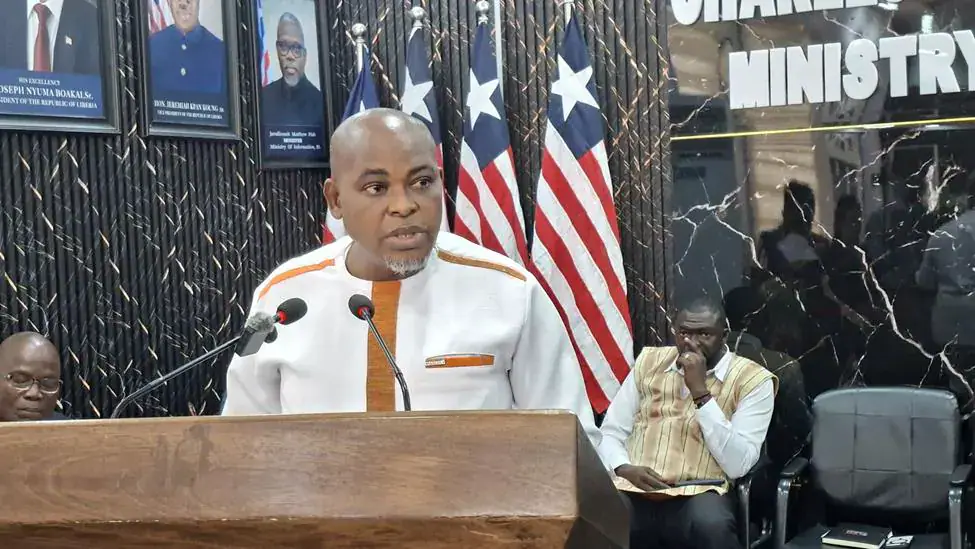
The independence of Liberia's newly established State-owned Enterprises Authority (SEAL) has come under scrutiny amid concerns about its ability to hold politically appointed managers of state-owned enterprises accountable for poor performance and violations of financial regulations. SEAL Director-General J.S.B. Theodore Momo, Jr. outlined an ambitious institutional reform agenda to strengthen oversight, improve financial discipline, and address longstanding governance challenges across Liberia's state-owned enterprises (SOEs).
The transformation of the former Bureau of State Enterprises (BSE) into an autonomous authority is a major step toward institutional accountability, according to Momo. However, he faced questions about the practical guarantees that would protect SEAL's independence, particularly when dealing with managers appointed through political processes. The concern is significant because the effectiveness of the new institution will depend not merely on its establishment by law but also on its ability to hold enterprise management accountable, regardless of political connections or appointments.
Momo disclosed that only approximately 13 percent of state-owned enterprises were submitting compliant quarterly reports, making it difficult for the government to obtain timely and reliable information about their financial positions and operational performance. The sector comprises 46 entities across various industries, employing more than 10,000 Liberians and contributing over US$30 million annually to national revenue.
An assessment of 20 state-owned enterprises covering the 2020–2024 period revealed that more than US$90.5 million was transferred from the national budget to sustain chronically loss-making enterprises. However, those entities generated only approximately US$26.9 million in cumulative net operating surplus during the same period, resulting in a net fiscal drain exceeding US$63.6 million, excluding an additional US$116.5 million in accumulated net deficits.
Momo said some enterprises recorded years of zero tax remittances despite maintaining active and growing payrolls, a practice that exposes employees to potential long-term pension and social protection risks. He also pointed to allegations of financial improprieties and weak corporate governance, which have contributed to the sector's financial challenges.
The Director-General maintained that the transformation of the former Bureau into SEAL represents more than a change of institutional identity, but a fundamental shift in the powers, purpose, and responsibilities of the country's central oversight institution for public enterprises. The reform became necessary after decades of institutional weaknesses, limited enforcement powers, inadequate resources, and widespread financial and operational challenges among state-owned enterprises.
SEAL's independence will be proved in enforcement, not statute, as the Authority begins to exercise its oversight responsibilities. The issue is significant because the effectiveness of the new institution will depend on its ability to hold enterprise management accountable, regardless of political connections or appointments. Key questions remain about SEAL's ability to sanction or recommend the removal of politically appointed managers who fail to meet established performance targets or violate financial regulations.
Key points
- SEAL's independence and enforcement powers are under scrutiny amid concerns about its ability to hold politically appointed managers accountable.
- Only 13 percent of state-owned enterprises submit compliant quarterly reports, making it difficult for the government to obtain timely and reliable information.
- The sector faces significant financial challenges, including a net fiscal drain exceeding US$63.6 million and allegations of financial improprieties.