The Environmental Protection Agency (EPA) in Liberia has issued a warning about a potentially hotter and more challenging dry season due to the El Niño weather phenomenon. This warning comes as satellite observations indicate significant agricultural water stress in several counties, including Sinoe, Grand Kru, Grand Gedeh, Grand Bassa, River Cess, River Gee, and Grand Cape Mount. Between October 23 and November 1, 2026, at least a quarter of the cropland in these areas experienced dryness.
Sinoe County is particularly affected, with approximately 70 percent of its cropland showing signs of insufficient moisture. The EPA emphasizes the need for farmers, families, and local authorities to take early precautions against prolonged dry spells, extreme heat, and possible water shortages. The Agency released this information on November 23, highlighting the importance of preparedness in the face of developing El Niño conditions.
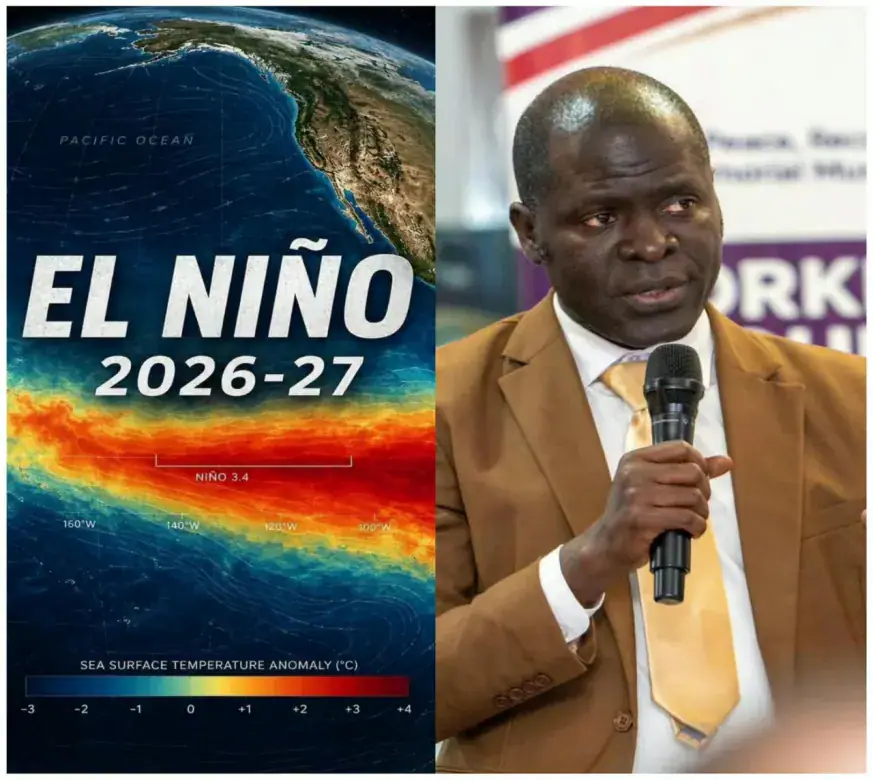
The El Niño phenomenon, characterized by the abnormal warming of surface waters in the central and eastern Pacific Ocean, can influence atmospheric circulation and weather patterns worldwide. The United States Climate Prediction Center reported an 80 percent chance that El Niño would remain strong or very strong during the January–March 2027 period. This has significant implications for Liberia, particularly for agricultural production and water availability.
The EPA noted that El Niño conditions emerged in June 2026, became firmly established by August, and have been strengthening through November. This phenomenon has already influenced rainfall patterns globally, increasing rainfall over the central and eastern Pacific while contributing to reduced rainfall in Indonesia. In Africa, impacts vary, with East Africa facing increased chances of heavy rainfall and flooding, while some areas of Southern Africa may experience insufficient rainfall.
For Liberia, regional forecasts indicate the possibility of hotter-than-normal conditions, with varying rainfall patterns and dry spell durations across locations. The EPA cautioned that the developing weather situation could have serious implications for farmers and rural communities, particularly those dependent on rainfall for agricultural production and access to water. Human-induced climate change has increased atmospheric and ocean temperatures, potentially making El Niño-related heat impacts more dangerous.
The EPA is urging farmers and communities to take precautions to minimize potential risks. This includes drinking safe water regularly during extreme heat, resting in shaded areas, and scheduling strenuous outdoor activities during cooler hours. Farmers are advised to consult seasonal weather forecasts and local agricultural extension officers before planting, as the first rainfall may not signal the consistent beginning of the rainy season.
To improve public preparedness, the EPA has activated its public early-warning platform, covering all 15 counties and providing daily updates on environmental and weather conditions. The Agency encourages residents to access this platform and share official information with farmers, community leaders, and vulnerable households. Additionally, the EPA has developed a Liberian English video and radio script on El Niño to make climate information more accessible to rural communities.
Key points
- El Niño conditions are expected to intensify hotter-than-usual temperatures during Liberia’s dry season.
- Sinoe County recorded the highest level of agricultural water stress, with 70 percent of its cropland affected.
- The EPA is urging communities to take early precautions against prolonged dry spells, extreme heat, and possible water shortages.