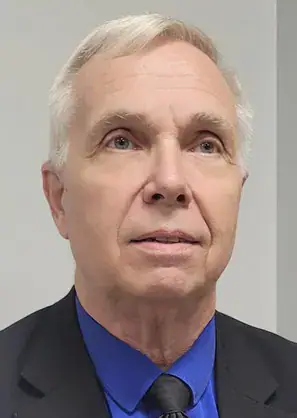
Dr. Randy Nelson, a Professor Emeritus of Education, has expressed concerns about the state of Liberia's education system. With 47 years of experience as a professional educator, he has worked closely with Liberian teachers, students, and administrators since 2018. In response to a reader's question, Dr. Nelson emphasized that compromised educational standards have a negative impact on national development. He cited issues such as unearned class promotions, bribery, and falsification of documents as major concerns.
Dr. Nelson pointed to a 2013 University of Liberia entrance examination, where 25,000 applicants took the test, but none passed. In July 2025, the pass rate was 24%, and in November 2025, it improved to 41%. He also highlighted a recent incident where young men and women with high school diplomas were unable to read a simple sentence as part of a military vetting process. Many were rejected due to their inability to read. Dr. Nelson emphasized that these incidents demonstrate the need for improved academic competence.
The consequences of compromised academic standards are far-reaching, according to Dr. Nelson. He noted that students who advance to the next grade level without legitimately passing will struggle to learn more advanced material, impeding their ability to acquire sufficient academic competence. As a result, they will graduate unprepared to enter higher education or the workforce, lacking the knowledge and skills necessary to function competently. This, in turn, will impede national development.
Dr. Nelson also addressed the issue of unequal access to education in urban and rural communities. He emphasized that every child in Liberia deserves equal access to a quality education, as outlined in Article 6 of Liberia's Constitution. This includes access to qualified teachers, learning resources, and quality instruction. However, data from the 2022 Liberia National Education Conference revealed that some counties have as high as 89% untrained teachers.
To address these challenges, Dr. Nelson stressed the need for strong teacher training programs and retraining opportunities for existing teachers. He also emphasized the importance of well-maintained, clean schools and respectable salaries for teachers. In rural Liberia, schools often lack basic infrastructure, such as doors, and teachers are mostly volunteers with minimal education. Dr. Nelson argued that education must be a high priority, as a well-educated citizenry will positively impact every other sector.
Dr. Nelson acknowledged that every sector in Liberia is still rebounding from the war and faces budget constraints. However, he emphasized that education must be prioritized, as it will bring lasting change and improve the quality of life for Liberians. He called on national, regional, county, and school-level leaders to work together to allocate, manage, and protect funding that will improve education for every Liberian child.
Ultimately, Dr. Nelson emphasized that Liberia's quality of life will improve only when the quality of education improves across all counties. This requires a commitment to prioritizing education and ensuring that well-educated and trained teachers are the highest priority in every school. By doing so, Liberia can produce knowledgeable and skilled graduates who will become the new leaders with the skills needed to implement improvements.
Key points
- Compromised educational standards have a negative impact on national development.
- Unequal access to qualified teachers and resources hinders education in urban and rural communities.
- Prioritizing education and improving teacher training programs are essential for Liberia's development.