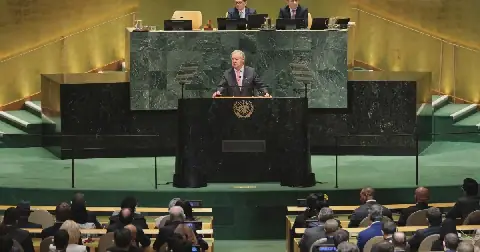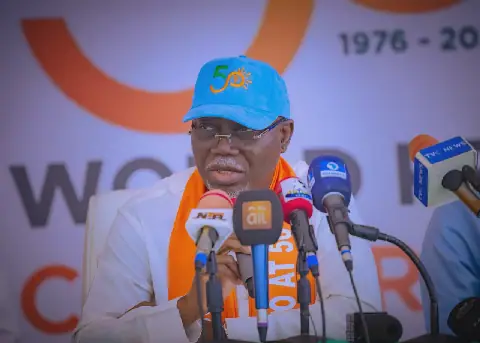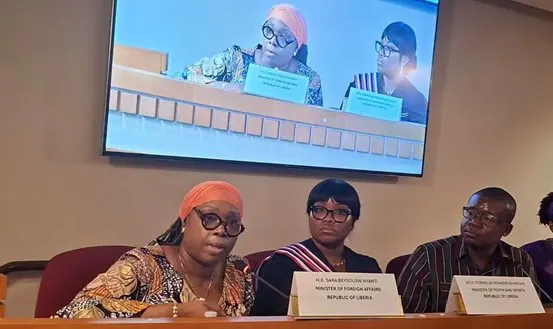
Liberia has launched a comprehensive PATHWAYs framework on youth, peace, security, and development, signaling the country's readiness to engage actively in global initiatives. The framework was launched by Minister of Foreign Affairs Sara Beysolow Nyanti on September 18, 2026, during the UNSC-UNGA81 high-level side event held at the African Union Permanent Mission to the United Nations in New York. The document aims to establish essential pathways for future generations and to mobilize investment behind a youth vision for 2035.
The launch anchored a side event titled "Rooting and Rising: Liberia's Vision for Youth, Peace and Security," which gathered international partners, youth leaders, government representatives, and civil society actors to foster investment in youth-led initiatives. The event featured a high-level speaker lineup, including Nyanti, Minister of Youth and Sports Cornelia Wonkerleh Kruah, and several United Nations officials. The framework seeks to consolidate the work already done for young people across Liberia's 15 counties while placing young Liberians at the center of shaping the country's future.
The PATHWAYs framework rests on six interconnected pillars: governance, evidence, the pathways structure, sports, the creative economy, and strategic investment. These pillars form the foundation of a strong and sustainable system, built on robust institutions, honest evidence, and sustained investment that creates real opportunities for young people. Nyanti emphasized that youth, peace, and security rank among Liberia's top priorities at the Security Council, and that the framework answers a transformational call to empower young Liberians.
Minister of Youth and Sports Cornelia Wonkerleh Kruah emphasized the significance of investing in the PATHWAYs Reform mandate, stating that by 2035, every young Liberian should have a pathway to achieve their goals. Kruah commended UNFPA, UNDP, DPPA, and other partners that have invested in Liberia's youth agenda, and invited stakeholders to invest in a well-established plan backed by evidence and progress. The framework is seen as a promise with a timeline, not a slogan, and its success will depend on the level of funding and support it receives.
United Nations Under-Secretary-General and Executive Director of UNFPA Diene Keita praised Liberia's ten-year framework aimed at empowering youth, and urged young people to be active partners and leaders in shaping peaceful and inclusive societies. She expressed confidence in Liberia's readiness to overcome conflict, govern well, and create pathways to lasting peace. Felipe Paullier, United Nations Assistant Secretary-General for Youth Affairs, disclosed that the UN is working to support the voices of young people across regions.
The international community has welcomed Liberia's leadership on youth, peace, and security, particularly during its December presidency of the UN Security Council. Partners have been pressed to fund evidence, not mere pledges, and the success of the framework will depend on the level of support it receives. Par Skold, a counsellor and civilian adviser at the Permanent Mission of Sweden to the United Nations, applauded young people for taking responsibility for implementing the youth, peace, and security agenda.
The launch of the PATHWAYs framework marks a significant milestone in Liberia's efforts to empower its youth and promote peace and security. The framework's six pillars and 2035 targets provide a clear roadmap for the country's development, and its success will depend on the level of funding and support it receives. Key stakeholders, including government officials, youth leaders, and international partners, have expressed their commitment to supporting the framework's implementation.
Key points
- The PATHWAYs framework aims to empower young Liberians and promote peace and security by 2035.
- The framework rests on six interconnected pillars, including governance, evidence, and strategic investment.
- The international community has welcomed Liberia's leadership on youth, peace, and security, particularly during its December presidency of the UN Security Council.