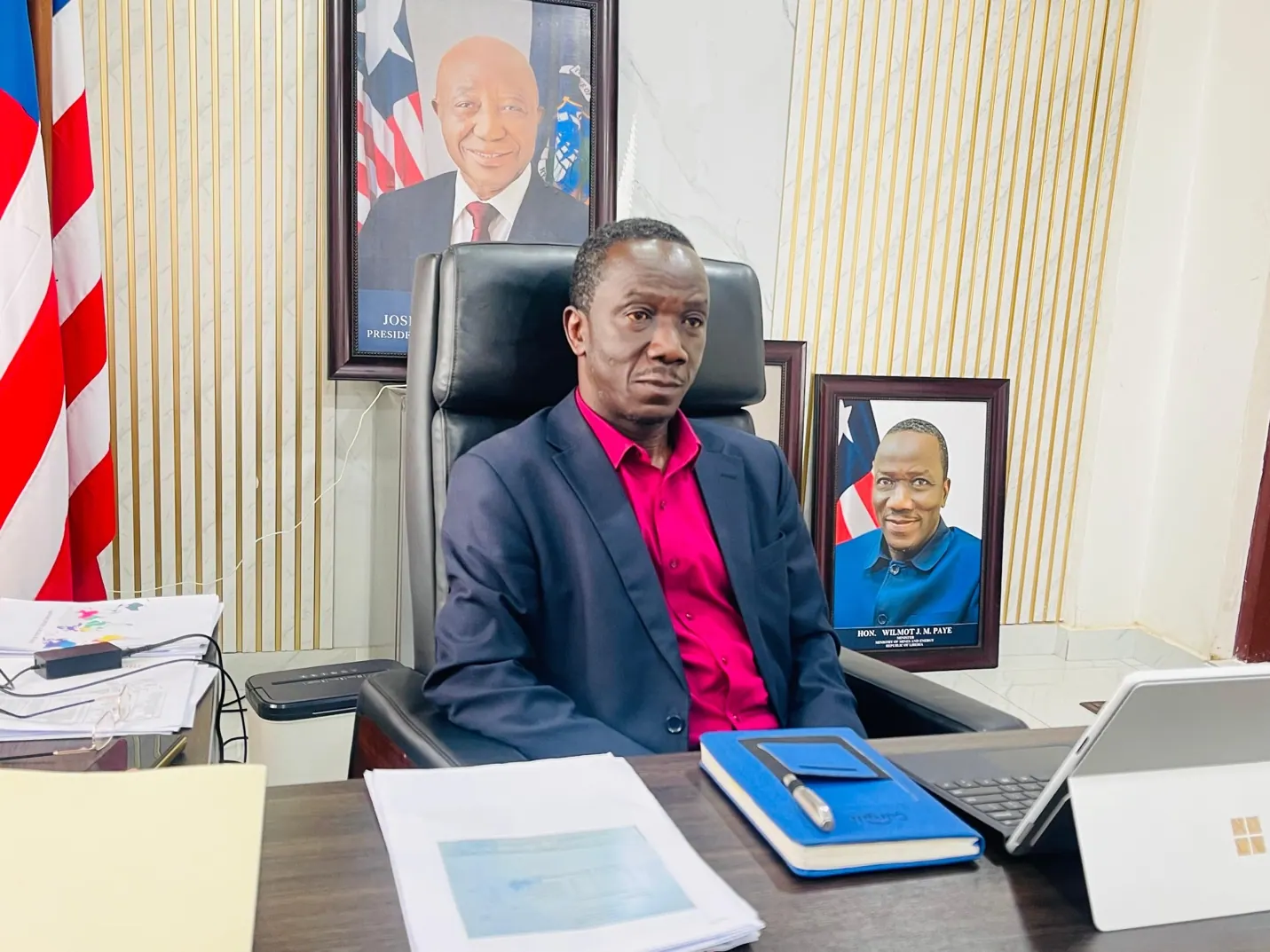
Former Liberian Minister of Mines and Energy, Wilmot Paye, has advocated for the adoption of a resource sovereignty policy in Liberia. He believes that this approach will enable the country to substantially benefit from its natural wealth. Paye made these remarks during an interview on Voice of Liberia 104.1 FM in Monrovia on October 7, 2026. He emphasized that Liberia is richly endowed with natural resources, but its minerals sector is threatened by cartels and outside influence.
Paye noted that many African countries are promoting resource sovereignty and taking charge of their destinies. He cited the need for Liberia to change its approach and mindset, adopting a sound policy approach and effective implementation to make the energy and minerals sectors more vibrant for citizens. During his tenure as minister, Paye claimed to have believed in resource sovereignty, and he continues to advocate for it. He warned that if steps are not taken, mining companies could deplete the country's resources without bringing significant benefits to citizens.
The former minister cautioned that mining companies operating in Liberia are not relief agencies. He urged the government to promote resource sovereignty to prevent the depletion of resources without benefiting citizens. Paye also argued that Liberia should stop relying on loans from international financial bodies, such as the World Bank, to fund its development programs. Instead, he suggested that the country could leverage its natural resources to drive development.
Paye identified greed among some past and current public officials as a contributing factor to the country's inability to benefit from its natural wealth. He noted that the new mineral law prohibits public officials, employees, and agents of the Ministry of Mines and Energy from holding mining licenses. However, he alleged that some officials continue to play double standards, influencing the sector by being awarded contracts by companies operating in it.
Paye disclosed that China and Liberia conducted a joint mineral resource survey to strengthen bilateral relations. The survey, conducted during his tenure, identified over two dozen minerals found in the country. He emphasized that Liberia is a resource-rich country, with vast potential spanning forest, mineral, renewable, and non-renewable resources. Paye recalled that his administration rejected unfavorable requests from influential individuals that were not in the interest of the country and its citizens.
The former minister's firm stance on carrying out the ministry's statutory responsibilities led to the ministry being taken to court on numerous occasions. Paye claimed that his administration's decisions were guided by the need to protect the country's interests. The officials and companies he referred to were not named, and no response from the government was available at the time of publication.
Paye's call for resource sovereignty has significant implications for Liberia's mining sector and economic development. The adoption of this policy could enable the country to take control of its natural resources and drive development. However, the implementation of such a policy would require significant reforms and a shift in mindset among stakeholders. The Liberian government has not officially responded to Paye's remarks, but his advocacy for resource sovereignty is likely to spark further debate on the country's mining sector.
Key points
- Former Liberia Mines Minister Wilmot Paye calls for resource sovereignty to break mining cartels and stop reliance on foreign loans.
- Paye advocates for a sound policy approach and effective implementation to make the energy and minerals sectors more vibrant for citizens.
- The adoption of resource sovereignty could enable Liberia to take control of its natural resources and drive development.