The Liberia Electricity Corporation (LEC) announced on Tuesday that the country is receiving zero electricity from Côte d'Ivoire due to a fault at a transmission substation across the border. This has resulted in a loss of approximately 60 megawatts of imported power. LEC's Deputy Managing Director for Operations, Thomas Zailee Gonkerwon, expressed optimism about the situation and shared the results of early-morning tests, but did not provide a date for when supply would return.
The current power shortfall has significant implications for Liberia, with national demand ranging between 160MW and 190MW. The country's primary power source, Mt. Coffee, is rated at 80MW, but its output typically falls during the dry season as the reservoir runs low. The Ivorian line was intended to carry roughly a third of Liberia's power needs, but the fault has eliminated this source of supply. LEC had planned to rely on imports and thermal plants during the dry season, but the costly option is now the only remaining alternative.
The dry season, which arrives every year, poses a significant challenge to Liberia's power supply. LEC is aware of this issue and had planned to lean on imports and thermal plants to mitigate the impact. However, the failure of the Ivorian imports at the worst possible moment means that the Liberian ratepayer will bear the cost of the costly thermal plants. Citizens are familiar with the effects of a dark grid, including lost business and closed shops, and are owed more than just optimism from LEC.
To address the situation, LEC must publish a restoration timeline as soon as the Ivorian diagnostics are complete. Additionally, the corporation should publish a load-management schedule to allow households and businesses to plan around the shortfall. A utility that cannot promise power can at least provide information to help citizens prepare. This approach would demonstrate a commitment to transparency and customer service.
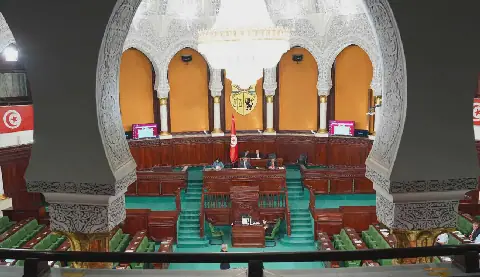
The long-term solution to Liberia's power challenges lies in the Master Infrastructure Development Agreement between the Government of Liberia and LEC. The agreement promises significant investments in water storage, new power plants, and transmission lines, which would add approximately 270MW of capacity and improve the grid's resilience. However, the agreement is still before the Legislature, awaiting consideration and ratification.
The agreement's timeline is critical, with Gonkerwon estimating that hydro projects take three to five years to build. This demands urgency and scrutiny from lawmakers, who must ensure that the agreement is ratified promptly and that its terms, costs, and financing are transparent. The Liberian people must be informed about the risks and benefits of the agreement before a vote is cast.
LEC deserves credit for its achievements, including the operation and maintenance of Mt. Coffee by trained Liberians and the planned 10MW solar facility with battery storage. However, the corporation must explain why the country still relies on a single foreign line for a significant portion of its supply, with no backup arrangement in place. The engagement with Électricité de Guinée is a positive step, but it should have been concluded before the dry season.
Key points
- Energy sovereignty is critical for Liberia's development and requires urgent attention to address the country's power challenges.
Reporting sources
- Sovereignty Cannot Hang On One Ivorian Substation · The Analyst