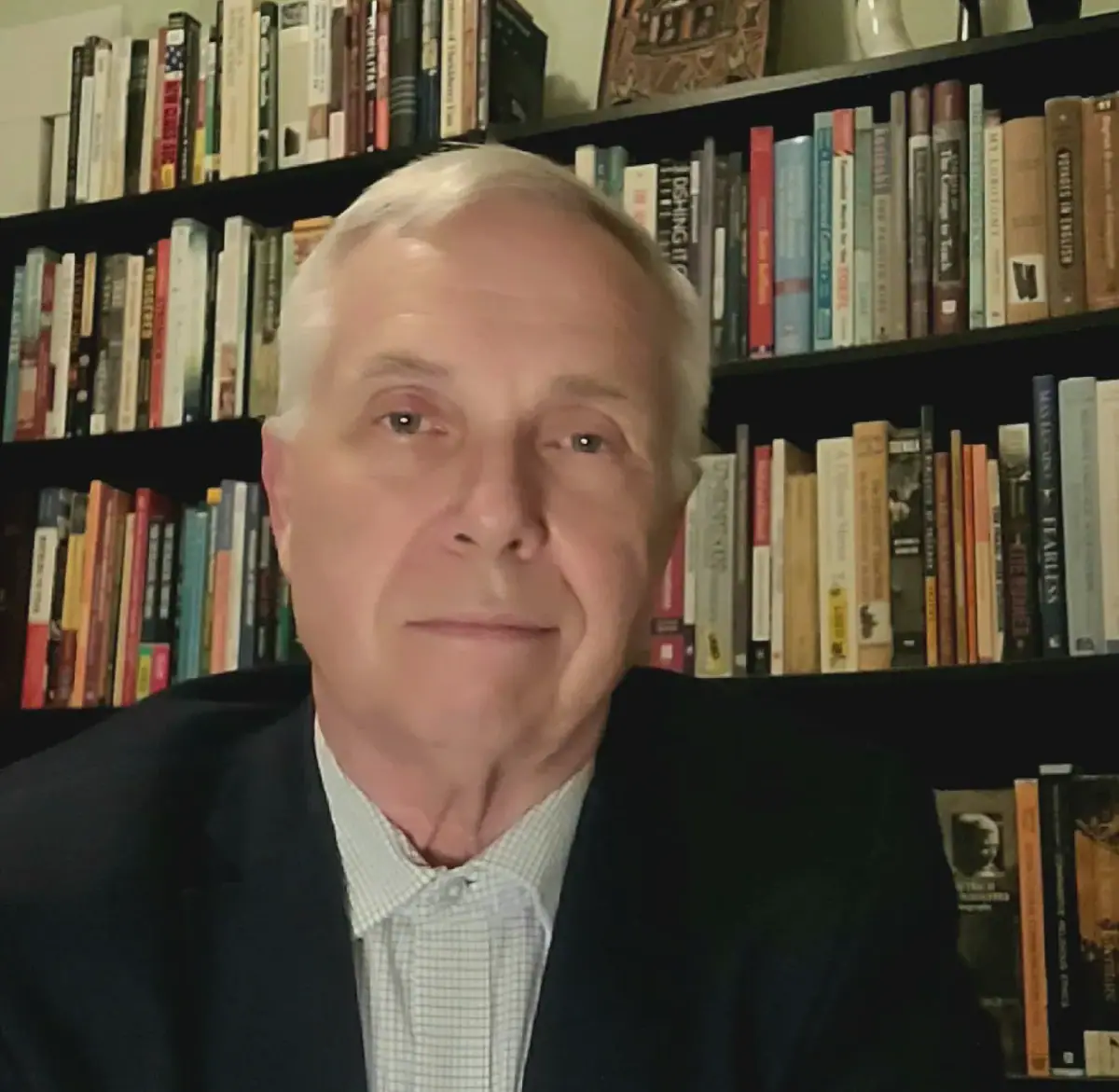
Dr. Randy Nelson, a Professor Emeritus of Education with 47 years of experience, has been working closely with Liberian teachers, university students, professors, and administrators since 2018. As an educator and consultant, he shares his expertise through a column in The Analyst, addressing questions on education. In his recent column, Dr. Nelson tackled two pressing issues: the rise of plagiarism in the age of artificial intelligence and the value of a university education.
Dr. Nelson defines plagiarism as presenting someone else's work or AI-generated material as one's own, deeming it unethical and unacceptable. He warns that students who cheat to obtain a diploma or degree have not earned it legitimately, rendering the credential invalid. The consequences of plagiarism include reduced learning, loss of trust, dishonor, expulsion, and a revoked diploma or degree. Dr. Nelson emphasizes that students must rely on their own abilities, rather than software or copied text, when completing assignments.
To curb plagiarism, Dr. Nelson suggests that educators require students to write graded papers in class, without electronic devices or outside materials. This approach enables students to receive one-on-one guidance and produces original work. While students may initially resist giving up their devices, Dr. Nelson stresses that using them unwisely can lead to plagiarism. He uses the analogy of water, which is necessary for life but can be deadly if used unwisely.
Dr. Nelson highlights the benefits of academic honesty, including improved critical thinking, memory, decision-making skills, and organizational skills. By practicing writing with a pen or pencil, students can strengthen their brains and enhance their educational and career opportunities. He encourages educators to take steps to prevent plagiarism and promote academic integrity.
A reader asked Dr. Nelson about the value of a university education beyond acquiring facts and getting a job. Dr. Nelson responds that higher education should shape individuals with distinction and humility, providing deep knowledge, strong thinking ability, and awareness of the world's diversity and complexity. He emphasizes that a university graduate should possess independence of thought, enabling them to think critically and challenge the status quo.
Dr. Nelson cites Ralph Waldo Emerson's 1841 essay "Self-Reliance," which stresses the importance of embracing independent thought. He notes that history's greatest thinkers, including Pythagoras, Socrates, and Newton, were often misunderstood but changed the world with their radical ideas. Dr. Nelson believes that Liberia's university graduates must be agents of change, envisioning a dynamic and prosperous future for their country.
Ultimately, Dr. Nelson sees the value of a university degree in its ability to foster independence of thought and intellectualism. He encourages Liberian students to strive for academic excellence and critical thinking, rejecting stale dogma and embracing new perspectives. By doing so, they can become leaders and agents of change, driving progress and improving the quality of life in Liberia.
Key points
- Dr. Randy Nelson advises students to rely on their own abilities, rather than software or copied text, when completing assignments to avoid plagiarism.
- Educators can help prevent plagiarism by requiring students to write graded papers in class without electronic devices or outside materials.
- A university education should provide students with independence of thought, deep knowledge, and strong thinking ability, enabling them to become agents of change.