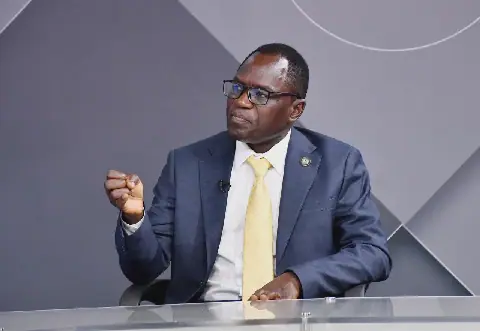
Monrovia's Criminal Court "B" has ordered the release of Jerry Nyantee Wrato from police custody. The court issued a writ of habeas corpus, directing that Wrato be released and turned over to the Sheriff of the court. This development comes after Wrato's lawyer, Cllr. Garrison Doldeh Yealue Jr., filed a petition for a writ of habeas corpus. The court's action marks a significant turn in the case.
The release came hours after Liberia's Police Inspector General, Gregory O. W. Coleman, rejected Vice President Jeremiah Kpan Koung's appeal for Wrato's release. Coleman confirmed that police had concluded their investigation and were preparing to prosecute Wrato on four alleged cybercrime offenses. The charges include Misuse of Devices, Cyberstalking, Distribution of Data Messages That Incite Damage to Property or Violence, and Distribution of Harmful Data Messages.
The court-ordered release was made pursuant to Wrato's habeas corpus petition, which named several respondents, including the Minister of Justice, Deputy and Assistant Ministers of Justice, and Police Inspector General Coleman. The petition relied on Article 21(f) of the 1986 Constitution of Liberia and provisions of the Civil Procedure Law governing habeas corpus proceedings. The writ was signed and sealed by Amos W. Cummings, Clerk of Criminal Court "B," on September 22, 2026.
Wrato's arrest followed the circulation of artificial intelligence-generated images and videos appearing to depict Vice President Koung in a derogatory manner. The content surfaced amid controversy surrounding reports about Koung's security screening at Brussels Airport, which the Vice President has denied. The police subsequently investigated the circulation of the manipulated material under Liberia's recently enacted Cybercrime Act.
Despite Vice President Koung's public appeal for Wrato's release, indicating that he did not wish to pursue criminal action against him, Police Inspector General Coleman maintained that the police had an independent statutory duty to investigate suspected criminal conduct. Coleman emphasized that forwarding Wrato to court would not constitute a determination of guilt and that the suspect remained entitled to the presumption of innocence and other constitutional protections.
The habeas corpus proceedings brought Wrato's detention before Criminal Court "B," which directed that he be "immediately released from further custody" and turned over to the Sheriff of the court. The subsequent release means Wrato is no longer being held in police custody pursuant to the detention challenged in the habeas corpus petition. However, the court's action does not by itself constitute a determination on the underlying allegations contained in the police investigation.
Wrato remains presumed innocent unless and until proven guilty by a court of competent jurisdiction. The court's release of Wrato on habeas corpus does not preclude the possibility of further proceedings against him on the alleged cybercrime charges. The case highlights the tension between the police's duty to investigate suspected crimes and the protection of individual rights through habeas corpus and other constitutional safeguards.
Key points
- Jerry Wrato was released from police custody following a habeas corpus petition filed by his lawyer.
- The police had concluded their investigation and were preparing to prosecute Wrato on four alleged cybercrime offenses.
- The court's release of Wrato on habeas corpus does not preclude further proceedings against him on the alleged charges.