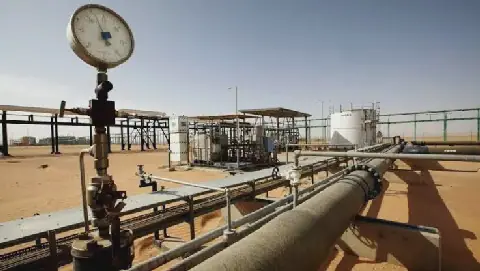
The Nigerian Midstream and Downstream Petroleum Regulatory Authority (NMDPRA) has announced plans to fully liberalise Nigeria's domestic gas sector by September 24, 2028. This move will phase out price regulations, transitioning the industry into a fully commercial "willing-buyer, willing-seller" market. The decision aligns with the federal government's "Decade of Gas" initiative, which aims to power Nigeria's economy predominantly through gas by 2030.
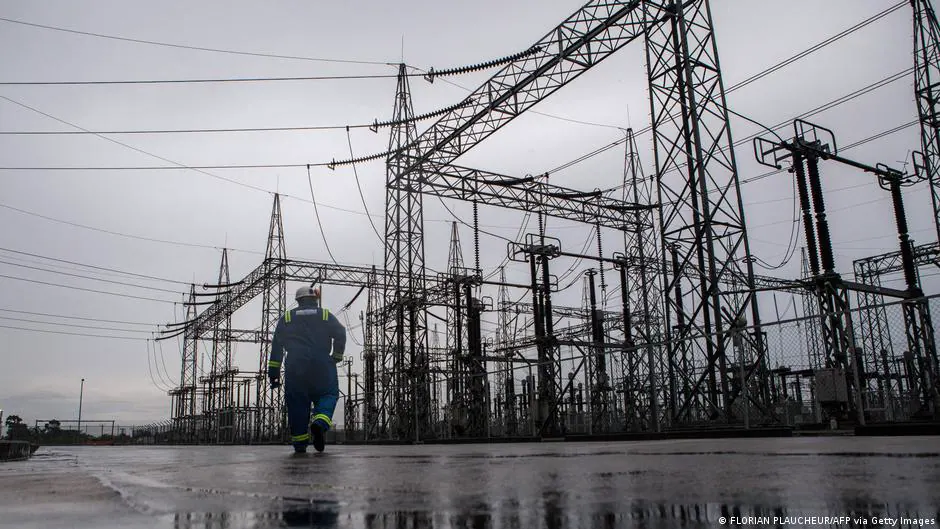
The liberalisation of the gas market has raised concerns among stakeholders and power sector analysts. Adetayo Adegbemle, executive director of PowerUp Nigeria, an electricity consumer rights and policy advocacy organisation, warned that power generation companies will be forced to pay for gas to run their plants and seek guarantee offtakers. This could lead to inefficiencies in the power sector, as GenCos may struggle to operate efficiently if they are unable to recover costs.
Adegbemle also cautioned that the policy, although advocated for since 2023, may not be suitable for the current market conditions. Distribution Companies (GenCos) have been unable to recover money for electricity supplied, which could exacerbate the challenges in the power sector. He suggested that the National Electricity Regulatory Commission (NERC) may need to review its maximum demand customer policy to mitigate the effects of the liberalised gas market.
Moshood Sanusi Yusuf, a lawyer and power sector analyst, expressed fears that the policy could lead to increased inefficiencies in the power sector if not properly implemented. He warned that operators in the downstream sector of the industry (DisCos) may not effectively manage the supply chain, leading to further challenges. Yusuf also questioned the sustainability of the policy given the market inefficiencies and warned that many companies may likely wind down.
A recent market check across parts of Lagos illustrated the pressure households are already facing in another segment of the gas market. The price of liquefied petroleum gas (LPG), popularly known as cooking gas, ranged from N1,250 to N1,400 per kilogramme at some outlets. Availability also varied from one location to another, with some consumers reporting difficulties in accessing the product.
The increasing prices of cooking gas are likely to affect households and businesses that rely on it for cooking and other purposes. At a mobile gas station around Anthony, LPG sold for N1,250 per kilogramme, while a consumer identified as Mama Joshua said she purchased the product at N1,400 per kilogramme at Beesam. Filling a 12.5kg cylinder would cost about N17,500 at the higher price, compared with N15,625 at the lower rate.
The liberalisation of the gas market is expected to have far-reaching consequences for the power sector and the economy as a whole. While the policy aims to promote a more commercial and efficient market, stakeholders have emphasised the need for proper implementation and regulation to mitigate the potential risks. The government will need to balance the need for a more liberalised market with the need to protect consumers and ensure a stable power supply.
Key points
- The liberalisation of Nigeria's gas market is expected to impact power generation and CNG prices.
- Stakeholders have expressed concerns about the potential risks and challenges associated with the policy.
- The government will need to ensure proper implementation and regulation to mitigate the potential risks.