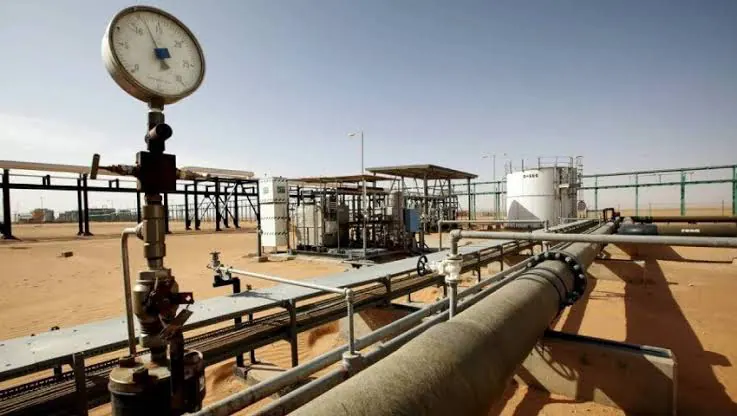
The Libyan National Oil Corporation (NOC) announced on September 27, 2026, that it had reopened a pipeline blocked by an armed group for several days. The pipeline, which is part of the al-Charara oil field in southwestern Libya, was shut down on Monday, resulting in a significant decrease in production. The NOC stated that the pipeline's valve had been reopened, allowing oil pumping to resume.
The blocked pipeline, operated by Akakus, a joint venture between the NOC and international companies Repsol, Total, OMV, and Statoil, caused significant financial losses. The NOC estimated that the losses amounted to $95 million over five days. The frequent blockages of oil and gas sites in Libya have been a recurring issue in recent years, often linked to social demands, security threats, or political disputes.
The NOC expressed concern over the repeated disruptions to the pipeline, which affects the primary source of revenue for Libyans and increases the need for fuel imports. The United Nations Support Mission in Libya (Manul) also expressed worry over the situation, stating that it would put additional pressure on public finances. Libya, with the largest oil reserves in Africa, has been plagued by instability and chaos since the overthrow of Muammar Gaddafi in 2011.
The country is currently divided between two rival governments: one led by Abdelhamid Dbeibah, recognized by the UN, and another in the east, controlled by Khalifa Haftar and his clan. The ongoing instability has led to frequent disruptions in oil production and exports. The NOC and the Libyan government have been working to restore stability and increase oil production.
The al-Charara oil field is one of the largest oil fields in Libya, and its production is crucial to the country's economy. The field is located in the southwestern region of the country, and its oil is transported to the Zawiya terminal in the north. The NOC has been working to maintain production levels and mitigate the effects of the blockade.
The reopening of the pipeline is a positive development for the Libyan economy, which has been struggling with instability and conflict. However, the frequent blockages of oil and gas sites highlight the ongoing challenges facing the country. The international community has been calling for a peaceful resolution to the conflict and the establishment of a stable government in Libya.
The situation in Libya remains volatile, with ongoing tensions between rival factions and frequent disruptions to oil production. The NOC and the Libyan government will likely continue to face challenges in maintaining stability and increasing oil production. The international community will be watching closely for any developments that could impact the country's stability and the global oil market.
Key points
- The Libyan National Oil Corporation reopened a pipeline blocked by an armed group, which had caused $95 million in losses over five days.
- The pipeline blockage was part of a larger pattern of disruptions to oil and gas sites in Libya, often linked to social demands, security threats, or political disputes.
- The instability in Libya has significant implications for the country's economy and the global oil market.