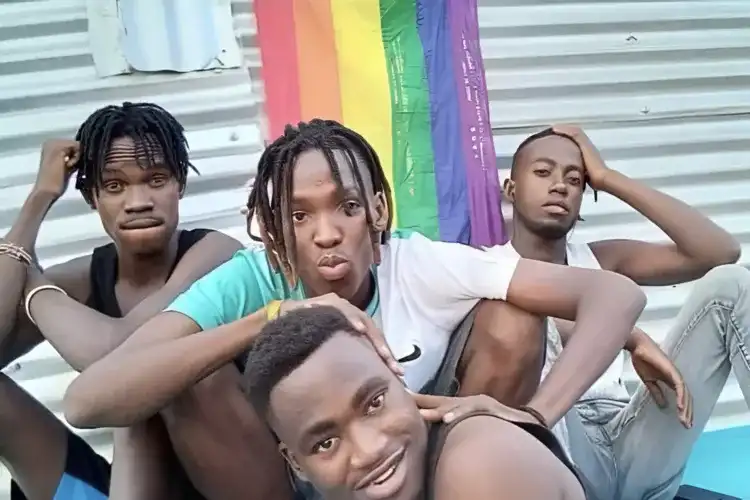
A group of LGBTQ+ refugees in South Sudan's Gorom Refugee Settlement have reported facing persecution, despite fleeing violence and harassment across East Africa. Many had hoped to find safety in the settlement, but instead, they have encountered discrimination, hate speech, verbal harassment, intimidation, and targeted attacks due to their sexualities and gender identities. The refugees, who have asked to remain anonymous, shared their experiences of being beaten at night, attacked at water collection points, and harassed by other refugees.
The Gorom Refugee Settlement, located 26 kilometres southwest of Juba, South Sudan's capital, was built in 2010 to house 2,500 refugees fleeing conflict in Ethiopia. However, the camp is now overflowing with approximately 16,000 refugees, and registration of new arrivals was stopped on 22 June this year. A UNHCR spokesperson cited confidentiality when asked about the number of LGBTQ+ refugees in the settlement, but one refugee estimated that around 600 LGBTQ+ individuals reside in the camp.
Amy, a 31-year-old transgender woman, is one of the LGBTQ+ refugees who fled Uganda in 2021, fearing persecution due to her sexual and gender identity. Growing up in a conservative religious family in a country with harsh anti-homosexuality laws, Amy felt muzzled and scared, eventually running away after being caught with her male netball coach. She had hoped to find safety in Gorom, but instead, she has faced daily struggles against discrimination and harassment.
The refugees in Gorom have reported experiencing violence and harassment, including being beaten at night, attacked at water collection points, and having their businesses burnt down. Some have also received letters from neighbours demanding that they leave the camp. These experiences illustrate the extraordinary distances LGBTQ+ refugees are often forced to travel in search of safety, only to encounter persecution again in the places intended to protect them.
Uganda, where many of the LGBTQ+ refugees originated from, has recently implemented some of the world's harshest anti-LGBTQ+ laws. The Anti-Homosexuality Act, passed in March 2023, imposes life imprisonment for certain homosexual acts and even the death penalty for cases defined as 'aggravated homosexuality'. This legislation has had a profound impact on LGBTQ+ individuals, forcing many to flee the country in search of safety.
The Gorom Refugee Settlement is managed by the South Sudanese government through its Commission for Refugee Affairs and is supported by several organisations, including UNHCR, the Red Cross, and Peace Winds. Despite the efforts of these organisations, the refugees in Gorom continue to face significant challenges, including a lack of security and protection.
The situation faced by LGBTQ+ refugees in Gorom highlights the need for greater protection and support for vulnerable individuals. The refugees are calling for increased security measures, including the establishment of a safe and secure area within the camp where they can live without fear of persecution.
Key points
- LGBTQ+ refugees in South Sudan's Gorom settlement face daily struggles against discrimination, hate speech, and targeted attacks.
- The refugees had fled persecution across East Africa in search of safety, only to encounter it again in the settlement.
- The situation highlights the need for greater protection and support for vulnerable LGBTQ+ individuals.