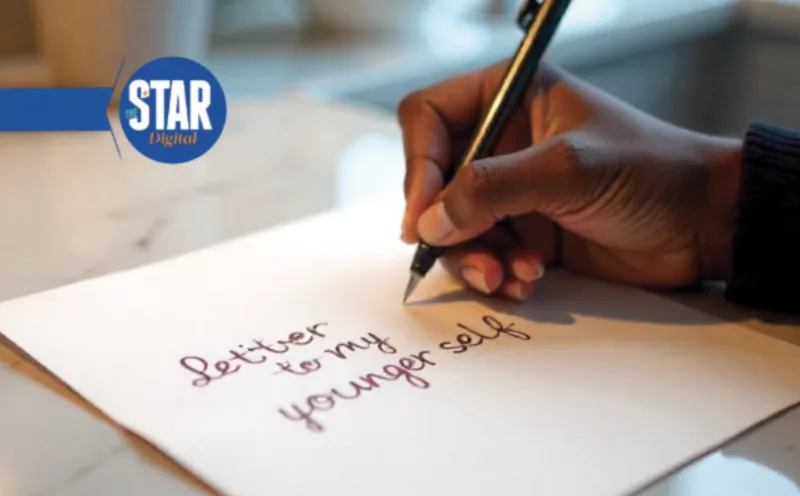
In a weekly series titled "Letter to My Younger Self," individuals share their personal stories of growth and lessons learned. The series invites readers into the reflective hearts of people who have walked winding roads, offering gentle truths, bold lessons, and encouragement for anyone still figuring it out. Wawira Gathoni pens this week's heartfelt letter, sharing her journey of healing from childhood trauma and the importance of self-awareness.
Gathoni's letter highlights the misconception that strength means silence, and that carrying pain quietly is maturity. However, adulthood teaches a different truth: unhealed pain does not disappear simply because we learn how to function around it. It waits, sometimes in our relationships, fears, reactions, or the ways we love and struggle to receive love. Gathoni's journey began with recognizing how her relationship with her father shaped her emotional world, including her need for reassurance, fear of abandonment, and tendency to overthink love.
The difficult thing about childhood trauma, Gathoni notes, is that many people imagine it only exists in extreme situations. However, trauma can also live in emotional absence, inconsistency, silence, or things children needed but did not receive consistently enough. Gathoni's story shows that healing is not dramatic, but rather gradual, messy, and nonlinear. It involves recognizing unhealthy patterns in relationships, apologizing when wrong, setting boundaries without guilt, and admitting hurt.
Gathoni emphasizes that healing requires self-awareness, which can be both liberating and exhausting. Once self-aware, it becomes harder to hide from oneself, noticing triggers, coping mechanisms, fears, and emotional patterns. This awareness can feel heavy, but it is also where freedom begins. Gathoni's choice to reflect on her past instead of denying it matters, especially in a world where many people repeat cycles they never examine.
As Gathoni continued on her healing journey, she began to understand other people differently. Pain made her softer, more compassionate, and less judgmental. She started seeing the wounded child behind the adult, creating empathy without excusing harmful behavior. Gathoni also emphasizes the importance of accountability, emotional responsibility, and intentional living, understanding how easy it is for unprocessed pain to affect others.
Gathoni's journey has made her more intentional as a mother, focusing on emotional safety, presence, affirmation, and breaking cycles that pass silently from one generation to another. She believes that healing is not about becoming flawless but about becoming more honest, compassionate, and intentional over time. Gathoni's story shows that healing is ongoing, with still parts of herself she is learning and wounds becoming visible.
Ultimately, Gathoni's story teaches that real healing looks like becoming whole despite life's challenges, not untouched by life. It involves acknowledging pain without allowing it to define one's identity, loving people while admitting they hurt you, and carrying scars while becoming soft again. The series invites readers to share their stories, encouraging others with their experiences and promoting a collection of life's hard-earned lessons and gentle reminders.
Key points
- The importance of self-awareness in healing from childhood trauma
- The need for accountability and emotional responsibility in the healing process
- The value of empathy and compassion in understanding others and promoting healing