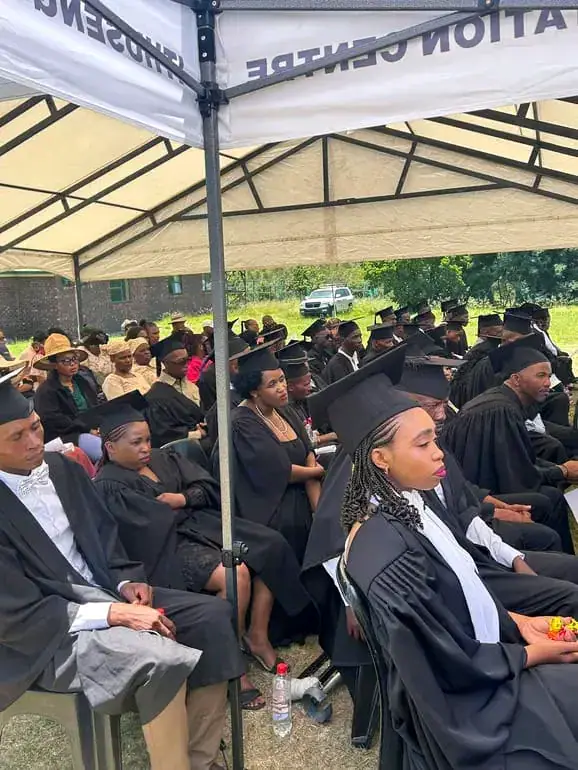
The Ithuseng Vocational Rehabilitation Centre in Lesotho has graduated 53 individuals with disabilities who completed a two-year training program in various skills. The program included training in carpentry, leatherwork, metalwork, and sewing and knitting. The centre, established by the Ministry of Social Development in 1992, aims to enhance the livelihoods and overall well-being of persons with disabilities. The centre offers support through life skills training, vocational guidance, counseling, and technical skills development.
During the graduation ceremony, Lefati Tauhali, speaking on behalf of the graduates, acknowledged the challenges faced throughout the journey. He noted that some of his peers had given up along the way, but thanks to the instruction they received, they now stand confidently. Tauhali expressed deep gratitude to their instructors, stating that if it were not for them, they would not have the confidence they have today. He also mentioned several challenges encountered during their training, including late arrival of materials and equipment, non-functioning restrooms, lack of Wi-Fi in the workshops, and absence of sports facilities.
Tauhali urged the institution to address these issues promptly to improve conditions for future students. He encouraged his fellow graduates to apply what they have learned to enhance their futures and serve as role models for others. Parent Representative Thabo Tauhali expressed gratitude for being part of this opportunity, acknowledging the nobility of their work. He encouraged graduates to use their skills to make a significant impact in addressing the country’s high unemployment rate.
Thabo Tauhali urged the graduates to collaborate with the government of Lesotho and pass on their skills to others to help alleviate unemployment. He also called on parents to support their children by providing equipment necessary for them to start working after graduation. ‘Mampolokeng Chome commended the government for including persons with disabilities in such training programs, rather than excluding them. She stated that children should no longer be hidden away at home under the assumption that they cannot learn due to their disabilities.
Nkhasi Sefuthi, representing the Disability Advisory Council, emphasized the importance of education, stating that it is the key to a successful life. He explained that without education, individuals can find it difficult to live comfortably, as they require skills to make a living. Sefuthi expressed hope that the skills gained at the center would empower students to open new opportunities.
Sefuthi highlighted that the responsibility now lies with the students to utilize what they have learned to achieve their goals. He acknowledged that for people living with disabilities, accessing education is challenging, as there are still very few schools in the country that fully accommodate their needs. He urged relevant stakeholders to create programs that include people living with disabilities, as they will need equipment and support to start their businesses.
The Ithuseng Vocational Rehabilitation Centre was established to acknowledge the link between disability and poverty and to empower individuals with disabilities to overcome the challenges associated with poverty and social exclusion. Through its services, the center aims to help persons with disabilities live more independently, access suitable employment opportunities, and become fully integrated into their communities. The centre's programs have equipped the graduates with skills to contribute to Lesotho's workforce and economy.
Key points
- The Ithuseng Vocational Rehabilitation Centre in Lesotho has graduated 53 individuals with disabilities who completed a two-year training program in various skills.
- The centre aims to enhance the livelihoods and overall well-being of persons with disabilities through life skills training, vocational guidance, counseling, and technical skills development.
- The graduates were trained in carpentry, leatherwork, metalwork, and sewing and knitting, and will now be able to access suitable employment opportunities and live more independently.
Reporting sources
- Rehabilitation Centre graduates 53 · Public Eye website