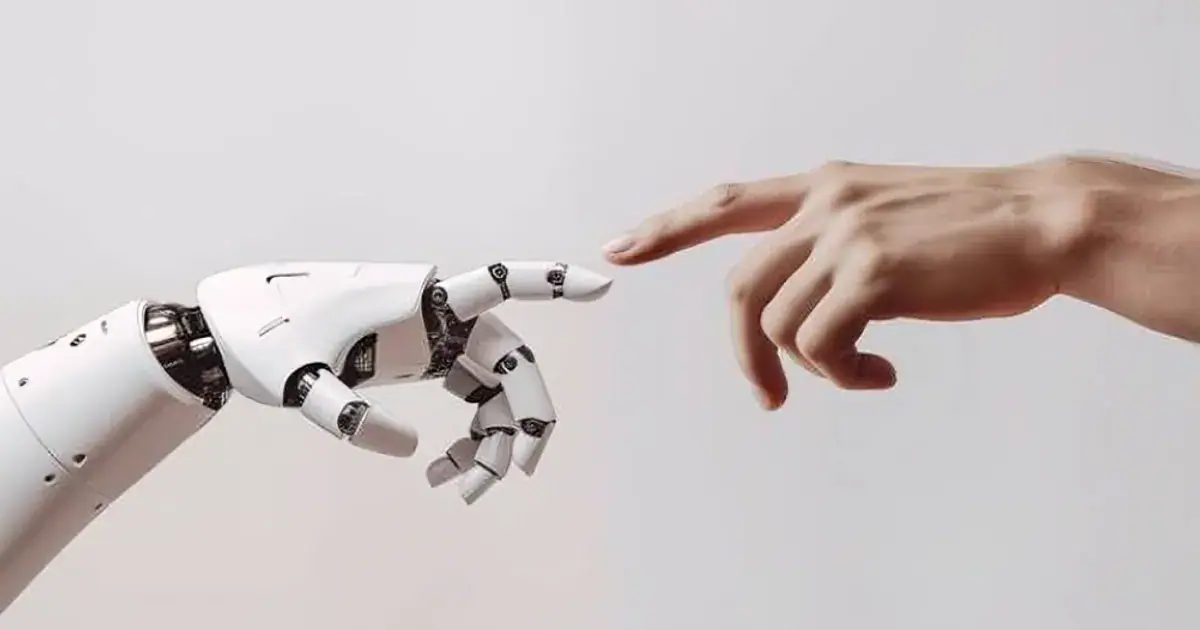
The Cambridge Dictionary has named 'human' as its 2026 Word of the Year, reflecting a global effort to redefine identity and protect what makes people unique. This choice comes amid growing anxiety over generative AI taking jobs and mimicking creativity. With one in four workers globally in jobs exposed to generative AI, the growing popularity of the word 'human' reflects a world struggling to preserve its human identity.
According to Francesca Woodward, a board member of Cambridge University Press, the word 'human' captured the 2026 zeitgeist, where there are dire warnings that AI could wipe out humanity. In the last year, people have been considering what it means to be human over concerns that AI would take their jobs. Woodward noted that people are trying to remind themselves of what human means.
The word 'human' was chosen based on search and usage data, as well as shifts in how people speak and write. Lexicographers looked for words that users develop new interests in, or words with new contexts or increased compound use. The cultural zeitgeist captures major themes that have been shaping global conversations for the past 12 months.
Tom McClelland, a philosopher of science at the University of Cambridge, says the word 'human' was an interesting choice due to the changing meaning of the word in today's world. Researchers have warned that critical thinking, good judgment, and evidence-based decision-making have become essential skills in the age of artificial intelligence.
Efforts to preserve what is originally human are underway as AI massively changes the world. In the creative world, AI now remodels songs, mimics artists, or even fine-tunes them to sound different. Celebrities like Matthew McConaughey and Taylor Swift have taken steps to trademark their voices and images to protect them against unauthorized digital reproduction.
Unlike previous technological revolutions that replaced physical labor, generative AI can perform tasks associated with intellectual and creative work. The concern with AI is not necessarily that every worker in the creative space will be replaced by the technology, but that employers might discover that they can achieve the same output with a considerably smaller number of employees.
The International Labour Organisation (ILO) reported that 25% of workers globally are in jobs that can be reproduced by AI. The word 'agent', which refers to an artificial intelligence system that can operate in a complicated way without human control, was also considered for the dictionary's word of the year, highlighting people's efforts to grasp what remains of what it means to be human.
Key points
- The Cambridge Dictionary named 'human' as its 2026 Word of the Year.
- The choice reflects growing concerns about AI taking jobs and mimicking creativity.
- 25% of workers globally are in jobs that can be reproduced by AI.