The Lesotho government has reduced royalties payable by Letšeng Diamonds Mine, the country's only operational diamond mine, from 10% to between 3% and 6%. This decision was made due to the impact of the war in the Middle East on fuel prices and the global slump in diamond prices. The reduction is contained in Gem Diamonds Limited's third-quarter trading update issued on November 4, 2026. Gem Diamonds owns 70% of Letšeng, with the remaining 30% owned by the government.
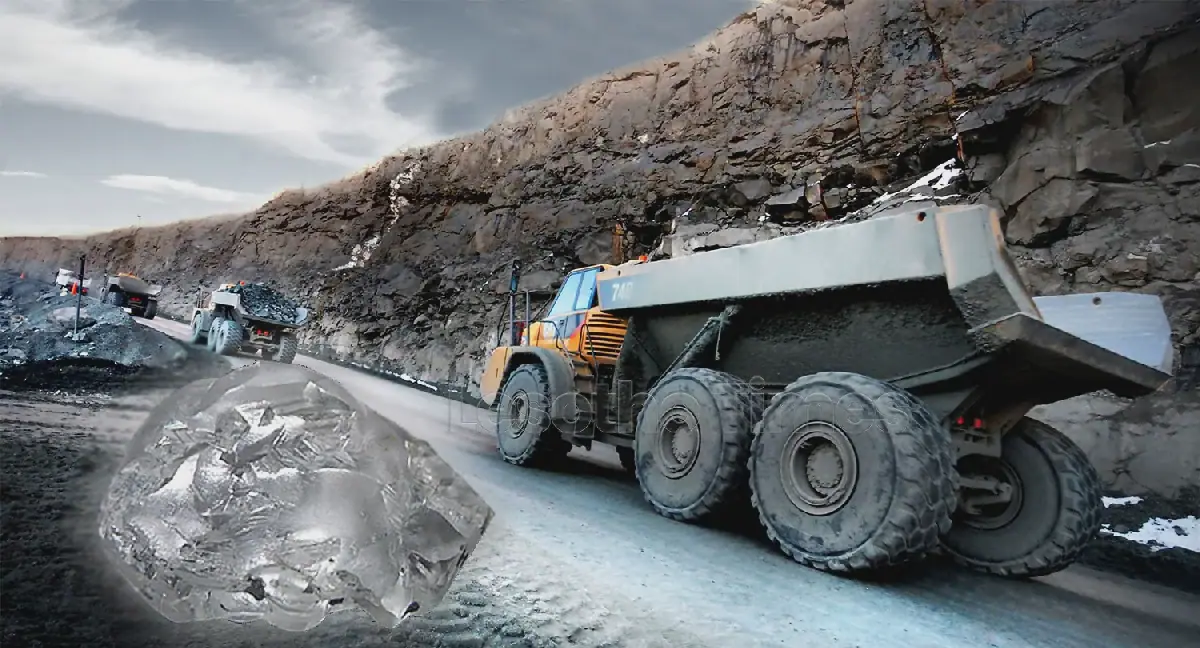
Letšeng Diamonds Mine, located in the Maluti Mountains in Mokhotlong District, is renowned for producing large, exceptional white diamonds. It is regarded as the world's highest dollar-per-carat kimberlite diamond mine. The mine's royalty remission, which temporarily waived the mine's royalty payments, had earlier helped the company reduce its costs. Gem Diamonds returned to a modest first-half profit in 2026 after recording a loss during the same period last year. This was supported by a 38% increase in Letšeng's average rough diamond price to $1395 per carat.
The government approved a variable royalty rate of between 3% and 6%, to be determined on the six-monthly average dollar per carat. This is effective for sales post October 1, 2026. Gem Diamonds Chief Executive Officer, Clifford Elphick, said sales of Letšeng's rough diamonds in September had achieved good prices, with the results boosted by the sale of the exceptional 347-carat Lesotho Jubilee diamond. The company said these results are encouraging indicators that demand and prices for Letšeng quality diamonds are firm.
Minister of Energy and Mining, Lejone Mpotjoane, said the diamond industry had been severely affected by the growing popularity of lab-grown diamonds, which had driven down prices in the global market. He stated that Letšeng was now the only operational diamond mine in the country, although its remaining lifespan was limited. Lesotho has four major diamond mines, but the other three - Liqhobong, Kao, and Mothae - suspended operations earlier this year amid high operating costs and weak global market conditions.
Mpotjoane attributed the crisis in the mining industry to the war in the Middle East, which had triggered a sharp rise in fuel prices. The conflict, involving the United States, Israel, and Iran, erupted on February 28, 2026. The disruption of maritime traffic through the Strait of Hormuz, a critical global oil and gas shipping route, has raised concerns about energy supplies and triggered sharp fluctuations in international oil prices.
The Minister said the government had been compelled to reduce Letšeng's royalties after the mine approached it for a review of the statutory 10% rate. He explained that the revised rate would fluctuate between 3% and 6% depending on prevailing market conditions. Mpotjoane also stated that establishing a cutting and polishing industry in Lesotho would be particularly difficult with Letšeng being the only operational mine and having a limited remaining lifespan.
Yearn for Economic Sustainability (YES) political party leader Molefi Ntšonyana has criticised the government's decision to reduce Letšeng's royalties. In a press release issued this week, Ntšonyana said the decision raised serious questions about the management of the country's most valuable natural resources, particularly regarding transparency, accountability, and national sovereignty.
Key points
- The Lesotho government reduced royalties payable by Letšeng Diamonds Mine from 10% to between 3% and 6%.
- The reduction was made due to the impact of the war in the Middle East on fuel prices and the global slump in diamond prices.
- Letšeng Diamonds Mine is the only operational diamond mine in Lesotho, with a limited remaining lifespan.
Reporting sources
- Govt forced to cut diamond royalties · Lesotho Times website