The Lesotho Court of Appeal has set aside Tšeliso Kompi's murder conviction and 28-year prison sentence, replacing it with a verdict of not guilty and ordering his release from custody. This decision was made on Friday, following Kompi's successful challenge against his conviction and sentence imposed by the High Court. Kompi had been found guilty of murder and sentenced to 28 years in prison, but he argued that he was wrongly convicted because he was not at the scene of the crime.
Kompi's defence relied on an alibi, stating that he was in South Africa when the murder occurred. An alibi is a defence in which an accused person argues that they could not have committed an offence because they were somewhere else at the time it happened. The appeal centred on whether the evidence presented during the trial was strong enough to prove that Kompi was responsible for the killing beyond reasonable doubt.
During the trial, the prosecution presented evidence indicating that a gunshot was heard on the day the deceased died, but none of the witnesses identified Kompi as the person who fired the shot. The prosecution also relied on evidence that the deceased was allegedly heard calling out Kompi's name during the incident, and that the two had previously been involved in a dispute, during which Kompi had allegedly threatened to kill the deceased.
The Court of Appeal's decision to overturn Kompi's conviction raises questions about the prosecution's evidence and whether it was sufficient to establish his guilt. The court considered the evidence presented, including the fact that the deceased allegedly mentioned Kompi's name and that the two had a previous disagreement. However, the court ultimately ruled that the evidence was not enough to prove Kompi's guilt beyond reasonable doubt.
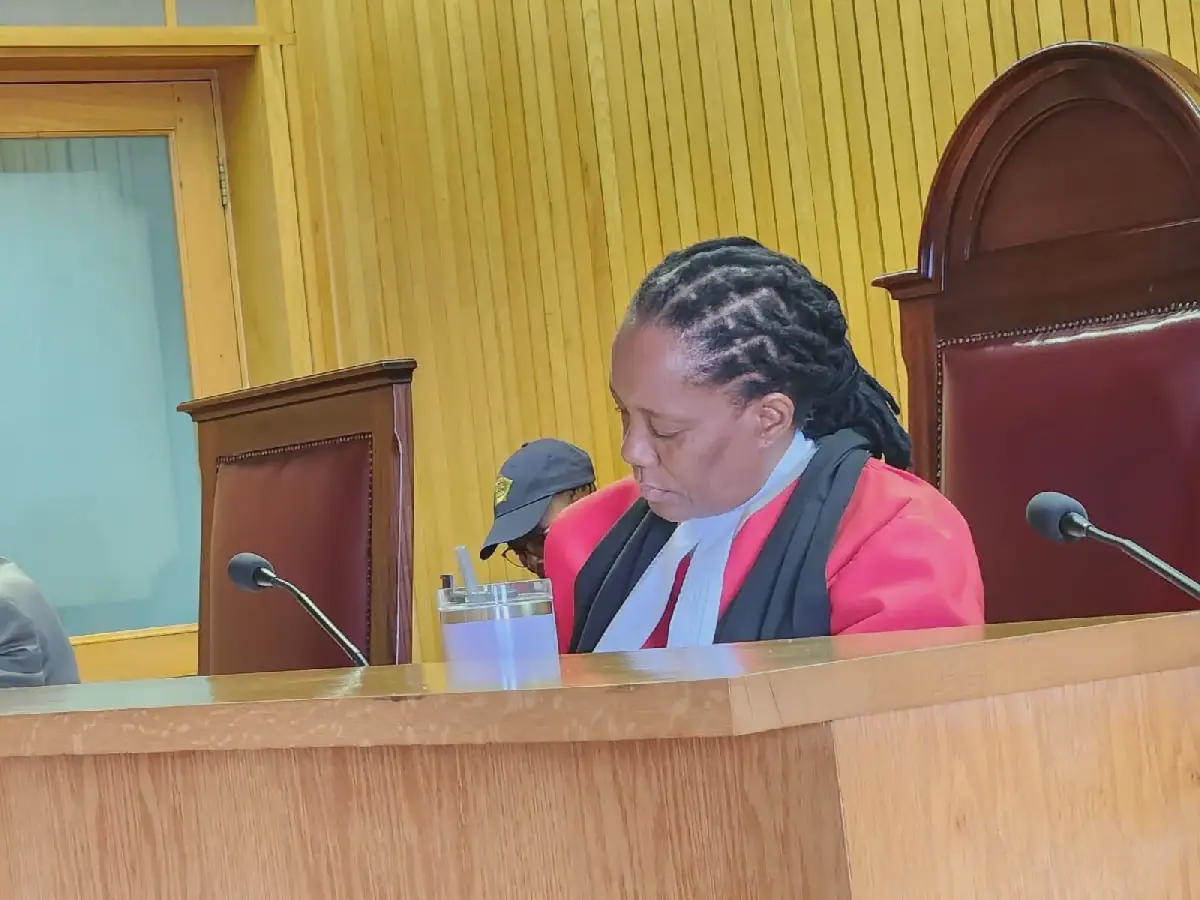
The case was heard by a panel comprising President of the Court of Appeal Professor Kananelo Mosito and Acting Judges of Appeal Justices Johann Van der Westhuizen and 'Mabatšoeneng Hlaele. The court's decision brings an end to Kompi's conviction in the matter, overturning the judgment that had sent him to prison for 28 years. With the conviction and sentence set aside, the court has ordered Kompi's release, subject to there being no other lawful reason for his continued detention.
The outcome of the case highlights the importance of the prosecution proving its case beyond reasonable doubt before an accused person can be convicted of a criminal offence. In murder cases, the existence of a previous disagreement or threats does not automatically establish that a particular person committed the killing. Such evidence must be considered alongside the other facts presented before the court.
The Court of Appeal's decision also underscores the significance of an accused person's alibi in determining whether the prosecution has proved its case. Kompi's alibi, which placed him in South Africa at the time of the murder, was a crucial factor in the court's decision to overturn his conviction. With this ruling, Kompi will no longer serve the 28-year sentence imposed by the High Court.
Key points
- The Lesotho Court of Appeal has overturned Tšeliso Kompi's murder conviction and 28-year sentence, ruling him not guilty and ordering his release.
- Kompi's defence relied on an alibi, stating that he was in South Africa when the murder occurred.
- The court's decision highlights the importance of the prosecution proving its case beyond reasonable doubt before an accused person can be convicted of a criminal offence.
Reporting sources
- Appeal Court frees Kompi in murder case · Lesotho Tribune