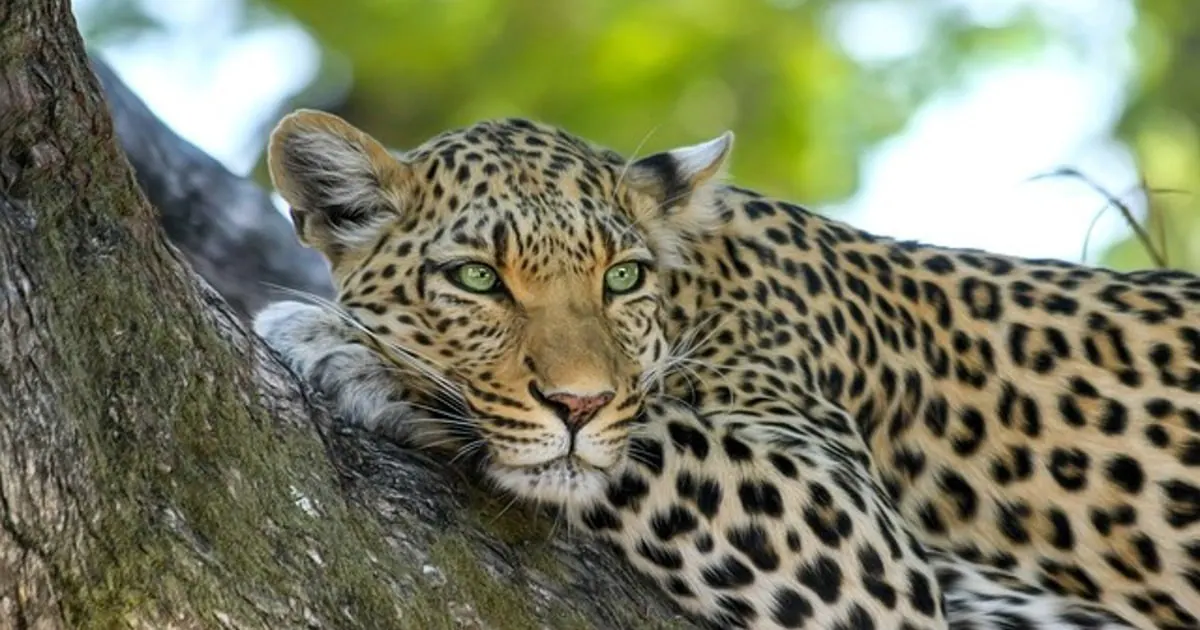
In a remarkable turn of events, leopards have returned to South Africa's West Coast after an absence of over 170 years. According to Dr. Bool Smuts, General Manager of the Landmark Foundation, the animals were hunted out of the area in the mid-1800s but have begun to reappear since around 2015. The return of the leopards is attributed to a natural recolonisation, with researchers suspecting they moved into the area from the Cederberg and Piketberg mountains.
The return of the leopards was marked by a camera trap photograph of one inside West Coast National Park last year, confirming their presence in the area for the first time in over a century and a half. Dr. Smuts described this development as a "heartening story," noting that it is rare to see top predators recolonise an area naturally. The Landmark Foundation and other conservation groups are working to support the reintroduction of leopards to the area.
Changes in land use, expanding protected areas, and greater tolerance of predators among local people may have contributed to the leopards' return. Dr. Smuts noted that conservation efforts in the Western Cape have been successful in supporting the return of leopards, with the animals responding to available habitat. However, the return of leopards also presents challenges, particularly for livestock farmers concerned about losing sheep.
To mitigate the risks associated with leopards in the area, conservation groups are working with farmers to reduce the threat to livestock. The Landmark Foundation is assisting farmers in finding ways to reduce the risk of leopard attacks and is providing direct compensation to participating farmers. Dr. Smuts described this as a "critical" issue, acknowledging the concerns of local farmers.
So far, over seven leopards have been spotted in the area, although conservationists are monitoring the situation to see if the animals can establish a sustainable population. Dr. Smuts expressed optimism about the prospects for the leopards, noting that their return is a positive development for the region. The return of leopards to the West Coast is seen as a significant conservation success story.
The natural recolonisation of the West Coast by leopards is a rare occurrence, according to Dr. Smuts. He noted that it is often difficult to reintroduce top predators to an area, but in this case, the leopards have moved into the area of their own accord. This development has sparked interest among conservationists and researchers, who are studying the leopards' behaviour and habitat use.
As the leopards settle into their new habitat, conservationists are working to ensure that the animals can coexist with local communities. The return of leopards to the West Coast presents opportunities for education and outreach about the importance of conservation and the role of top predators in ecosystems. Key issues, such as mitigating the risks to livestock and supporting sustainable conservation practices, will continue to be addressed.
Key points
- The return of leopards to the West Coast is a natural recolonisation, with the animals moving into the area from surrounding mountains.
- Conservation groups are working with farmers to reduce the risks associated with leopards in the area, including providing compensation for losses.
- The return of leopards to the West Coast presents opportunities for education and outreach about the importance of conservation and the role of top predators in ecosystems.