A Learjet 60 aircraft, traveling from Austin, Texas to the Bahamas, crashed on Sunday, November 1st, in Florida, resulting in the deaths of all nine people on board. The plane, which was flying at an altitude of approximately 10,600 meters, experienced technical difficulties, including icing and moderate turbulence, before sending out distress signals. The aircraft ultimately lost altitude rapidly and crashed near West Palm Beach, causing a massive explosion.
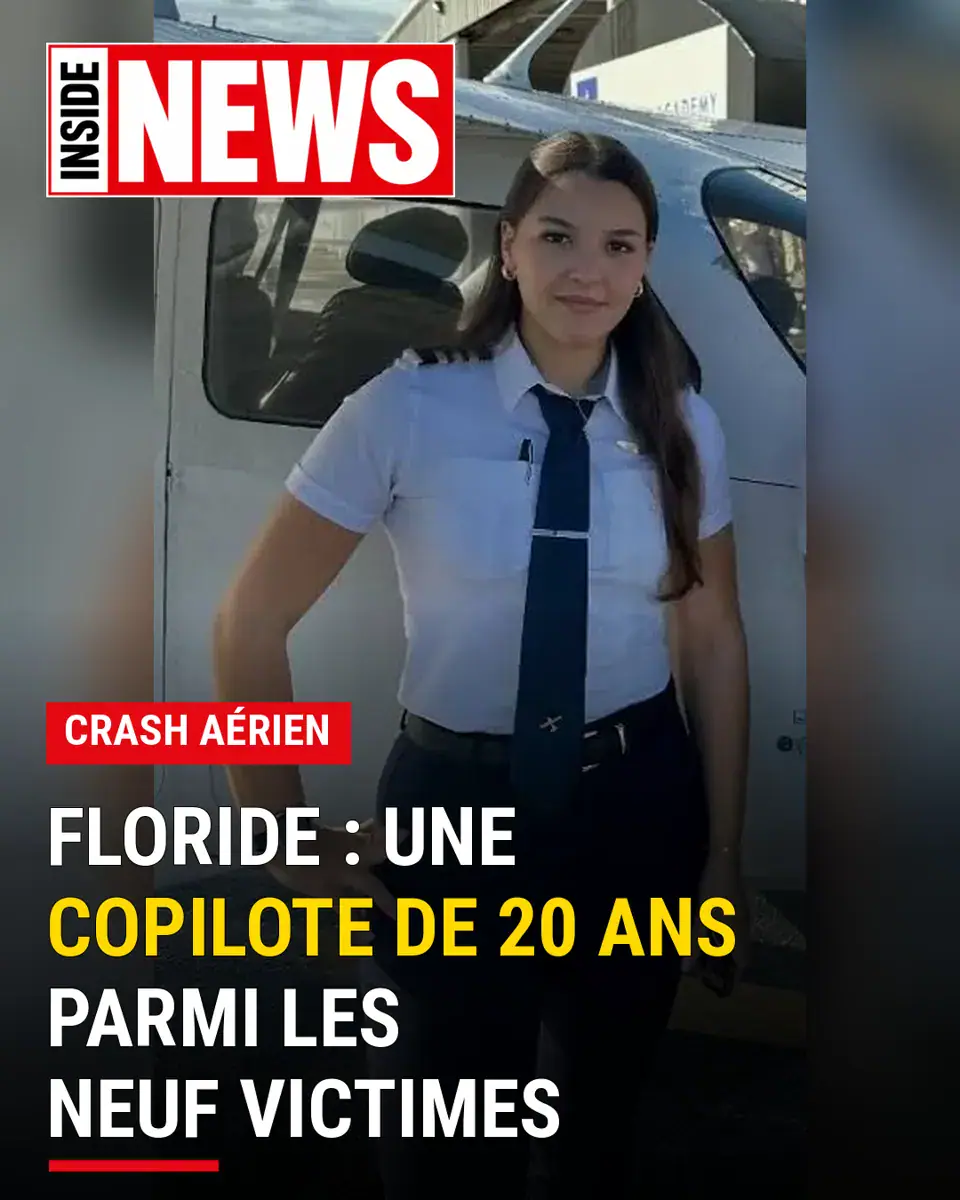
Among the victims of the crash was 20-year-old Nathalia Gadelha Filgueiras, who was serving as co-pilot on the flight. Filgueiras had obtained her private pilot's license at the age of 17 while still in high school and had accumulated around 1,300 hours of flight experience. She had been working as a commercial pilot for nine months prior to the crash. Her family described her as a passionate and dedicated aviator.
The flight had departed from Austin, Texas, and was headed to the Bahamas when the incident occurred. On board were seven passengers, including entrepreneur Adam Robinson, his wife Helen Sharp, and their two children, aged 4 and 2. Also among the victims were two crew members, in addition to Filgueiras. The diverse group of passengers and crew members made the incident a tragic event for multiple families.
According to the National Transportation Safety Board (NTSB), investigators have found evidence suggesting that parts of the aircraft may have detached before impact. The investigation is ongoing, with officials examining weather conditions, debris, and flight data to determine the cause of the crash. At this point, no definitive cause has been established, and the inquiry will focus on factors such as turbulence, icing, or other elements that may have led to the loss of control.
The NTSB's preliminary findings indicate that the aircraft experienced significant difficulties in the moments leading up to the crash. The crew reported icing and turbulence, and subsequent communications revealed a rapid descent. Despite efforts to send out distress signals, including a "Mayday" call, the aircraft was unable to recover and ultimately crashed.
The investigation into the Learjet 60 crash will aim to identify the sequence of events leading to the tragic incident. Officials will analyze the flight data recorder and other evidence to piece together the circumstances surrounding the crash. The inquiry is expected to shed light on the factors that contributed to the accident and provide recommendations to prevent similar incidents in the future.
The loss of the Learjet 60 and its occupants has sent shockwaves through the aviation community, particularly given the promising career of the young co-pilot. Filgueiras' story serves as a poignant reminder of the risks and challenges faced by pilots and the importance of rigorous safety protocols. As the investigation continues, the focus will remain on uncovering the truth behind the tragic event.
Key points
- The 20-year-old co-pilot, Nathalia Gadelha Filgueiras, had accumulated around 1,300 hours of flight experience.
- The aircraft experienced technical difficulties, including icing and turbulence, before sending out distress signals.
- Investigators have found evidence suggesting that parts of the aircraft may have detached before impact.